Jassids Control
Symptoms
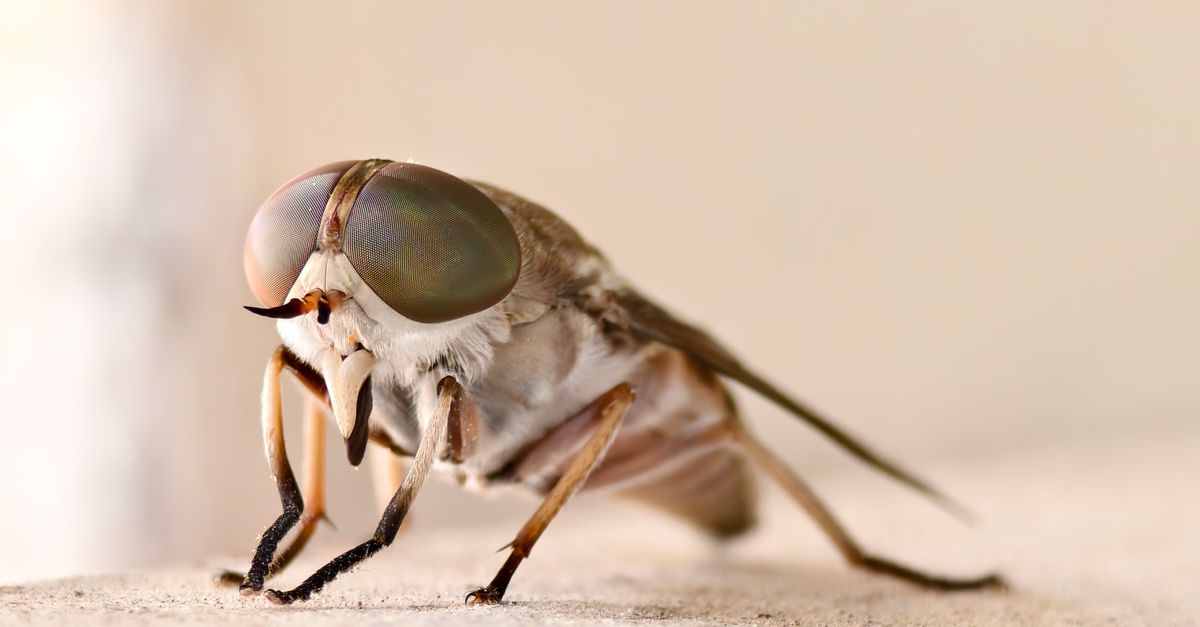
Look for tiny wedge shaped green insects that walk sideways on the underside of leaves. Affected leaves first show yellowing at the edges, then curl downward and turn bronze to reddish, a symptom called hopper burn. Severely affected plants are stunted with crinkled, brittle leaves.
Damage
Jassids (Amrasca biguttula biguttula) suck sap from leaves and inject toxic saliva, causing hopper burn that reduces photosynthesis and plant vigour. Young plants are most vulnerable and can be stunted or killed. Heavy early season attack reduces boll formation and yield significantly.
Organic & cultural control
Grow hairy leaved tolerant varieties which resist jassids naturally. Install yellow sticky traps and spray neem oil 5 ml per litre or neem seed kernel extract 5 percent. Conserve natural enemies such as Chrysoperla, ladybird beetles and spiders. Apply well decomposed organic manure and avoid excess nitrogen which makes leaves tender and attractive to jassids.
Chemical control
Seed treatment with imidacloprid protects young plants in early stages. For later infestation crossing the threshold, recommended actives such as flonicamid, acetamiprid, thiamethoxam or dimethoate can be used. Rotate groups to delay resistance. Always read and follow the product label, observe the pre-harvest interval, and consult your KVK or a qualified agronomist before spraying.
Always follow the product label, the recommended pre-harvest interval, and your local KVK or agronomist. Pesticide approvals change, so verify before use.
Prevention
Choose hairy leaved jassid tolerant varieties and treat seed with a systemic insecticide for early protection. Sow on time, keep balanced fertiliser and avoid excess nitrogen. Remove weed hosts, monitor the underside of leaves regularly, and protect natural enemies by spraying only when the pest crosses the threshold.
FAQs
What is hopper burn in cotton?
Do hairy leaved varieties really resist jassids?
When is jassid attack most damaging?
Get advice from farmers on your crop problem
Ask the community