
Aphids Control
Symptoms
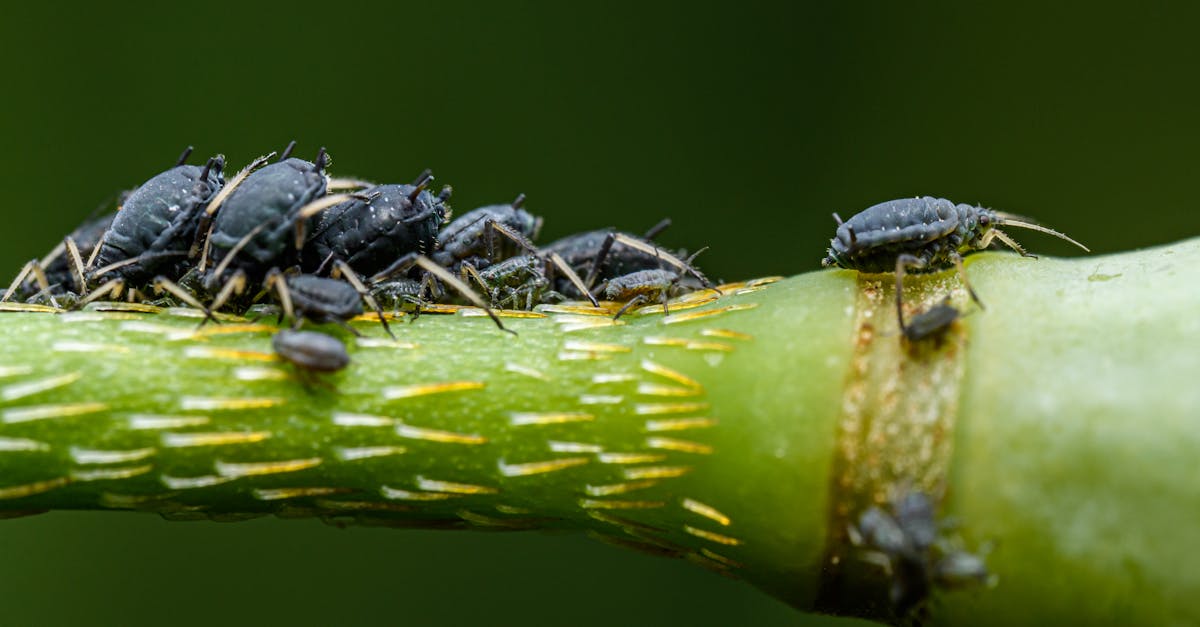
Look for clusters of small soft bodied green to black insects on tender shoots and the underside of young leaves. Affected leaves curl and crinkle, growth slows, and a sticky honeydew coats the plant on which black sooty mould develops. Ants are often seen moving among the colonies.
Damage
Aphids (Aphis gossypii) suck sap from tender parts, weakening the plant and causing leaf curl and stunting. Their honeydew encourages sooty mould that lowers photosynthesis and stains the lint at boll opening. Heavy infestation reduces plant vigour and yield, especially in the seedling and late crop stages.
Organic & cultural control
Conserve and encourage natural enemies such as ladybird beetles, Chrysoperla and syrphid flies which control aphids strongly. Install yellow sticky traps and spray neem oil 5 ml per litre or neem seed kernel extract 5 percent. A strong water spray can dislodge colonies. Avoid excess nitrogen and broad spectrum sprays that kill predators.
Chemical control
Usually natural enemies keep aphids in check and sprays are needed only in heavy infestation. When the threshold is crossed, recommended actives such as flonicamid, acetamiprid, thiamethoxam or dimethoate can be used. Always read and follow the product label, observe the pre-harvest interval, and consult your KVK or a qualified agronomist before spraying.
Always follow the product label, the recommended pre-harvest interval, and your local KVK or agronomist. Pesticide approvals change, so verify before use.
Prevention
Sow on time with balanced fertiliser and avoid excess nitrogen that encourages aphid build up. Keep fields and bunds free of host weeds. Protect natural enemies by avoiding unnecessary sprays, monitor tender shoots regularly, and use yellow sticky traps for early detection.
FAQs
Do I always need to spray for cotton aphids?
Why is sooty mould seen with aphids?
Does extra urea increase aphid problems?
Get advice from farmers on your crop problem
Ask the community