
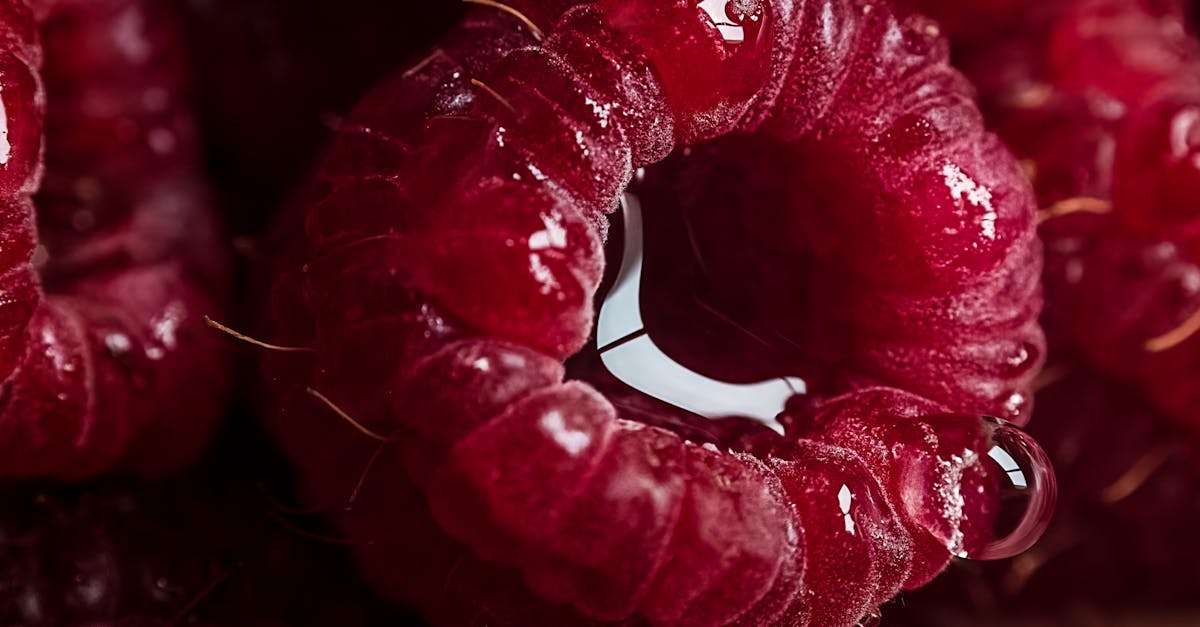
Raspberry is a risky, small-scale crop in India. Fresh berries sell at premium rates, and import barriers leave the fresh market to local growers, but verified Indian yield, cost and price data are scarce, and most commercial planting so far is on pilot plots in protected structures. Treat it as a trial of a few hundred plants, not a main crop.
The cool-hill raspberry known from Europe and North America needs winter chill and dry summers. Indian conditions are different, so success depends on picking types that fruit without much chilling, on rain protection, and on having a buyer (cafes, bakeries, retail chains, processors) lined up before planting.
Where it is grown and what is known
- Commercial pilots: trade reports name Maharashtra (Mahabaleshwar area), Tamil Nadu and Karnataka as the first states to start commercial raspberry, with production still limited to pilot areas as farmers test yields and prices. These are trade-press reports, not government statistics.
- Import position: the same reports say fresh raspberry imports face economic and regulatory hurdles, so fresh supply has to be local.
- Wild Himalayan raspberries: researchers studied 170 wild raspberry genotypes from Himachal Pradesh, Jammu and Kashmir and Uttarakhand (Journal of Horticultural Sciences, IIHR). Wild berries weighed only 0.25 to 0.93 g, with TSS of 9.6 to 18.6 degrees Brix, so wild Rubus is a breeding resource, not a ready commercial crop. About 32 Rubus species occur in the north-western and western Himalaya.
- Protected cultivation: year-round production requires rain-protected polyhouses or tunnels, which raises the investment. See polyhouse subsidy for support schemes.
Varieties and planting material
- Three kinds exist: summer-fruiting (floricane) types, autumn or primocane types such as Heritage, and day-neutral types. Trials abroad compared Heritage, Tulameen and Willamette; Tulameen berries averaged 3.1 g against 1.7 g for Heritage in one subtropical tunnel trial, so Tulameen gave higher yield from larger fruit.
- Some private nurseries sell licensed types that fruit without a cold dormancy period and say fruiting starts 3 to 9 months after planting, depending on variety and climate. These are company claims. Ask the nursery for written trial data from a site with your climate, and check that plants are virus-free and tissue-cultured or from certified mother stock.
- No ICAR or state university variety recommendation for commercial raspberry was found. Ask the nearest KVK and state horticulture university whether any local trial exists.
Spacing and training
- A subtropical tunnel trial (ISHS Acta Horticulturae) used 25 or 50 cm between plants and 180 cm between rows. That is about 4,500 plants per acre (11,100 per hectare) at 50 cm and about 9,000 per acre (22,200 per hectare) at 25 cm. Fruit per cane was 118 at 50 cm and 80 at 25 cm, so closer spacing means more plants but fewer fruit per cane.
- Canes need a trellis of two or more wires to hold them up and keep the fruit off wet ground.
- Raspberry is shallow rooted and dislikes standing water. Raised beds with drip irrigation are standard practice; see drip irrigation.
Harvest and yield
- In the tunnel trial, picking ran from 9 March to 18 May, and fruit developed in about 30 days (Tulameen) to 35 days (Heritage) from half bloom. The authors noted that yields were comparable to other annual tunnel systems but below traditional field systems because of fewer and smaller fruit.
- One company says yield can rise by up to 100 per cent after the first harvest by keeping the new canes from the roots. No independent Indian yield per acre was found, so budget on your own pilot plot.
- Berries are soft and spoil in a day or two at room temperature. Pick every day or two in small punnets and move straight to cold storage; see cold storage subsidy.
💡 Tip: Before planting, get a written order or price from a cafe chain, hotel supplier or processor, and plant only the area you can pick and chill within hours.
Cost and returns
- No verified Indian cost of cultivation or farm-gate price per kilogram was found for raspberry, so no profit figure is given. Claims of very large profit per acre on websites are not backed by published trials.
- To judge a plan, add up polyhouse or tunnel cost, plants (4,500 to 9,000 per acre), trellis, drip, labour for daily picking, punnets and cold chain, then compare with yield x the price a named buyer has offered in writing.
Market and risks
- Likely buyers are hotels, bakeries, cafes, supermarkets and online fruit sellers in metros; volumes per buyer are small.
- Main risks: heat above what the variety tolerates, root rot in wet soil, virus in poor planting material, daily labour need, and a thin market that prices can fall in quickly if many farmers plant together.
- For group selling see FPO; for support schemes see subsidy finder. For a crop that is easier to start with, compare strawberry.
Sources
- Genetic variability in wild raspberry of the north-western Himalaya, Journal of Horticultural Sciences (IIHR)
- Offseason raspberry production in a subtropical climate, ISHS Acta Horticulturae
- East-Fruit, raspberry shortage in India and local production (trade report)
- Hortidaily, raspberry growing in India (trade interview)