
🌾 Wheat₹2,600/qtl 🧅 Onion₹4,500/qtl▲200 🍅 Tomato₹2,500/qtl▲250 🥔 Potato₹1,200/qtl▼100 🫘 Soybean₹5,670/qtl▼230 🪴 Cotton₹8,500/qtl▼450 🌿 Mustard₹7,500/qtl▲69 🌽 Maize₹2,314/qtl▲14 🧄 Garlic₹15,000/qtl 🍚 Rice₹4,100/qtl▲400 🌾 Wheat₹2,600/qtl 🧅 Onion₹4,500/qtl▲200 🍅 Tomato₹2,500/qtl▲250 🥔 Potato₹1,200/qtl▼100 🫘 Soybean₹5,670/qtl▼230 🪴 Cotton₹8,500/qtl▼450 🌿 Mustard₹7,500/qtl▲69 🌽 Maize₹2,314/qtl▲14 🧄 Garlic₹15,000/qtl 🍚 Rice₹4,100/qtl▲400
Tuber Crop

Konjac (Glucomannan Tuber) Farming in India 2026

A niche high-value corm rich in glucomannan for health food and export markets.

Konjac (Glucomannan Tuber) farming in India

Overview

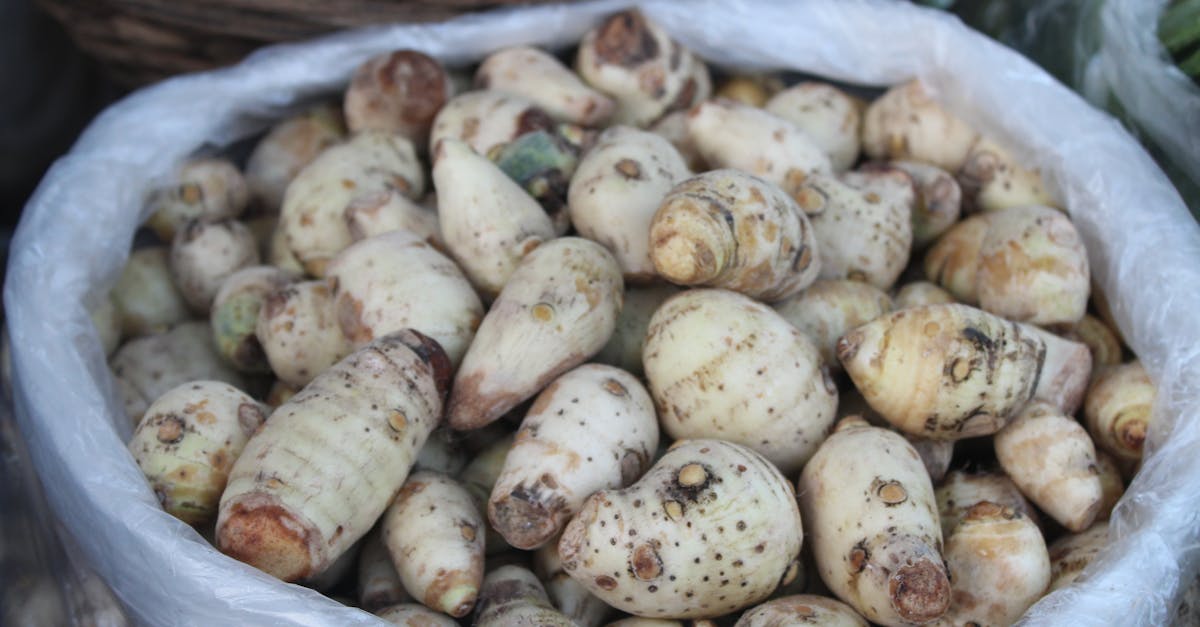
Konjac, a relative of elephant foot yam, is an emerging niche high-value tuber whose corm is rich in glucomannan, a soluble fibre used in weight-management foods, low-calorie shirataki noodles, gelling agents and supplements. The global konjac and glucomannan market is growing strongly and is dominated by China, which means there is import-substitution and export potential for Indian growers, especially in the Northeast and hills where wild and related Amorphophallus species already grow. The high-value angle is producing corms for glucomannan extraction and the health-food trade rather than as an ordinary vegetable. This is a specialist crop with a thin domestic supply chain, so success depends on linking with processors or exporters before planting. This page focuses on that commercial and value-chain angle for serious growers exploring konjac.

Climate

Konjac prefers warm subtropical to tropical conditions with partial shade, moderate temperatures around 20 to 30 degrees Celsius and good but not excessive rainfall. It naturally suits the humid hills and forest-margin agroforestry of the Northeast and Western Ghats, where dappled shade under trees mimics its native habitat. It is sensitive to frost and waterlogging.

Soil

Konjac needs deep, loose, well-drained loamy or sandy loam soil high in organic matter with a slightly acidic to neutral pH around 6.0 to 7.0. Good drainage is essential because the corm rots easily in wet, heavy soil. Forest-rich, humus-laden hill soils suit it well. Loose soil lets the corm enlarge and makes harvest cleaner.

Planting & Spacing

Konjac is propagated from corms or cormels planted in spring at the start of the warm wet season, spaced according to corm size, often under partial shade in agroforestry. The corm takes multiple seasons to reach a marketable, glucomannan-rich size, with small corms often replanted to bulk up over two or three years. Use clean, disease-free planting stock from a reliable source.

Varieties

Amorphophallus konjac is the main glucomannan species, but related Indian Amorphophallus types are also being explored for fibre. Because dedicated Indian konjac varieties are limited, growers usually start with imported or locally adapted konjac corms or selected high-glucomannan lines. Choose planting material verified for glucomannan content and adapted to your region, ideally with guidance from a research institute.

Care & Management

Konjac needs partial shade, steady but not excessive moisture, and organic-rich soil, with FYM and compost preferred over heavy chemical fertiliser. Light weeding and mulch protect the shallow corm and conserve moisture. Avoid disturbing the corm during the growing season. Patience is required since corms must bulk over more than one season to be worth extracting.

Pests & Diseases

Corm rot and soft rot in wet or heavy soil are the main risks, along with leaf spot and damage from rodents and slugs in shaded plots. Good drainage, clean planting material, partial shade rather than deep shade, and field hygiene reduce losses. Because the crop stays in the ground over seasons, protecting the corm from rot and rodents is the key management task.

Yield & Harvest

Corms are usually harvested after two to three seasons when they reach a large, glucomannan-rich size, in the dormant period after the leaves die down. Lift carefully, clean, and either sell fresh to a processor or slice and dry into konjac chips and flour, which store and transport far better. Drying and milling into glucomannan flour add the most value.

Cost & Profit

Konjac is a niche, longer-cycle crop with limited Indian benchmarks, so reliable cost and income figures are scarce and should not be assumed. The attraction is the high value of glucomannan flour in health-food and export markets, but returns depend entirely on securing a processor or export buyer and on the multi-season wait for corms to bulk. Treat any quoted figures with caution, start small, and confirm a buyer and realistic local economics before investing.

These are indicative ranges. Actual cost and income vary by region, market and management, so verify locally.

Market & Demand

The buyers are glucomannan and konjac flour processors, health-food and supplement makers, and exporters serving the global low-calorie food trade, since China currently dominates supply. There is little established domestic mandi market, so an assured processor or export linkage is essential before scaling. Konjac flour, not raw corm, is the high-value product, so value addition or a processing partner matters most.

Subsidy & Support

Konjac is not a mainstream scheme crop, but as an Amorphophallus tuber it can fit under MIDH tuber and horticulture support and Northeast horticulture and organic missions like MOVCDNER, with the Government of India funding 90 percent in Northeast and Himalayan states. Approach ICAR institutes, state horticulture departments and Northeast agencies for guidance, planting material and any pilot support.

Where to grow it in India

BaksaAssamBajaliAssamBarpetaAssamAlappuzhaKeralaErnakulamKeralaIdukkiKerala

Frequently asked questions

What is konjac used for?
Konjac corm is rich in glucomannan, a soluble fibre used in weight-management foods, low-calorie shirataki noodles, gels and dietary supplements. The flour, not the raw corm, is the high-value product.
Is konjac a good crop for Indian farmers?
It is a promising niche crop for the hills and Northeast, with import-substitution and export potential since China dominates global supply. But it is specialist, slow to mature and lacks an established domestic market, so secure a buyer first.
How long does konjac take to be harvestable?
Konjac usually takes two to three seasons for the corm to bulk to a glucomannan-rich, marketable size, often with small corms replanted to grow larger. It needs more patience than annual tubers like ginger or sweet potato.
Where in India can konjac be grown?
It suits the humid hills and forest margins of the Northeast and the Western Ghats, where partial shade under trees and humus-rich soil match its needs. These regions already host related wild Amorphophallus species.
Why must I find a buyer before growing konjac?
Konjac has almost no established domestic mandi market, and its value lies in glucomannan flour sold to processors and exporters. Without a confirmed processor or export linkage you may struggle to sell the corms, so arrange the buyer first.

Want help to start or connect with farmers growing this?

Ask the community Join the Sangh
Free for farmers

Never miss a price or a deadline

Get free daily mandi prices, MSP changes, scheme cut-offs and weather alerts - and your own Kisan ID.

🔔

Free price & scheme alerts

Today's rates, MSP moves, scheme deadlines and weather - the moment they matter.

or on WhatsApp ↗
🪪

Your free Kisan ID

Join Bharat Annadata Sangh free - get a digital farmer ID card and free answers from our Krishi Team.

100% free · No spam · Prices from Agmarknet · Unsubscribe anytime