
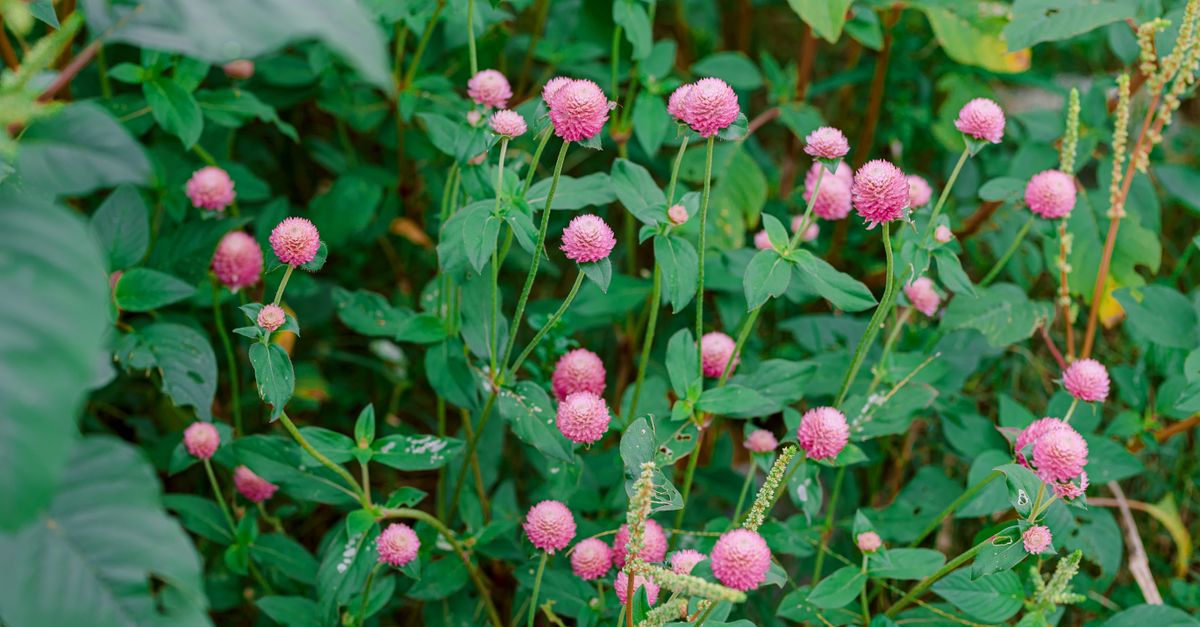
Grain amaranth (rajgira, ramdana) is a realistic low-input crop for India, mainly in Gujarat (Banaskantha and Kheda), Rajasthan, Maharashtra, Karnataka, Odisha and the Himalayan hills, and it needs little water. It is a small-market crop, though: the whole country grows only about 40,000 to 50,000 ha, so the price depends on a few mandis and on fasting-season demand.
The same species group also includes leafy chaulai grown as a vegetable. This guide covers the grain crop first and the leaf crop briefly.
Where it grows in India
- Hills: traditionally a hill crop (called bathu in Himachal Pradesh, chua in Uttarakhand). Hill varieties such as Annapurna, Durga and Him Gauri were released for Himachal Pradesh, Uttarakhand and J&K.
- Plains and plateau: area grew from the 1990s in central and western India. In Gujarat it covers more than 12,000 ha (rabi 2017-18), mostly in Banaskantha and Kheda districts, where it replaces wheat and potato because water is short.
- Other states with released varieties: Karnataka, Odisha, Tamil Nadu, Jharkhand, Chhattisgarh, Maharashtra and Uttar Pradesh.
- Climate and soil: amaranth is a C4 plant that tolerates heat and drought and adapts to many soils, but gives its best in fertile, well-drained, loose soil with good organic matter.
- Sowing time: a farming guide gives June to July for kharif and February to March for a summer crop with irrigation. Gujarat farmers also grow it in rabi; confirm the local date with your KVK.
Varieties
Varieties notified by the Central Sub-Committee, with yields as reported by the All India Coordinated Research Network on Potential Crops:
| Variety | Released | Average yield (q/ha) | Recommended area |
|---|---|---|---|
| Annapurna | 1984 | 22.5 | Mid and high Himalaya (140 to 150 days) |
| Durga | 2006 | 21.0 (13.65 in plains trials; protein 14.1%) | HP, Uttarakhand, J&K; stable in plains trials too |
| Suvarna | 1992 | 16.0 | Karnataka, Odisha, Gujarat |
| GA-1 (1991), GA-2 (2002), GA-3 (2008) | SDAU, Gujarat | 19.5, 15.5, 12.6 | Gujarat; GA-1 also Maharashtra; GA-3 also Jharkhand |
| GA-5, GA-6 (2020) | 2020 | 19.0, 18.5 | Gujarat (GA-5 also Rajasthan, Maharashtra, Jharkhand) |
| RMA-7 | 2010 | 14.7 | Rajasthan, Gujarat, Odisha, Maharashtra, Haryana, Delhi |
| Phule Kartiki | 2012 | 15.0 | Maharashtra |
| KBGA-4, KBGA-15 | 2017, 2021 | 21.0, 20.0 | Karnataka |
| Him Gauri, VL Chua 140 | 2024 | 16.7, 16.9 | Himachal Pradesh and Uttarakhand |
Maturity ranges from about 72 to 100 days for early types such as GA-2, GA-3, BGA-2 and PRA-3 to 120 to 150 days for hill types. Buy seed of a variety released for your state from the state agricultural university or a seed outlet; amaranth cross-pollinates easily, so saved seed drifts from the variety.
Sowing, spacing and nutrition
- Seed rate: the seed is tiny; a farming guide gives 0.5 to 0.8 kg per acre (about 1.2 to 2 kg per hectare). Mix with sand or dry soil to sow evenly in rows and thin early.
- Spacing: a TNAU trial on cultivar Suvarna compared 45 x 10, 45 x 15 and 45 x 20 cm. The 45 x 15 cm spacing (about 59,000 plants per acre) with fertiliser gave the best seed quality, while the closer 45 x 10 cm gave about 17.7% more seed. The farming guide suggests 45 x 20 cm (about 45,000 plants per acre).
- Fertiliser: the same TNAU trial found 50:30:30 kg N:P2O5:K2O per hectare best, which is about 20:12:12 kg per acre. Add well-rotted farmyard manure or vermicompost before sowing. The guide mentions 2 tonnes of vermicompost per acre as a base.
- Water: the crop survives on rainfall in kharif; a summer crop needs irrigation. Avoid standing water.
- Intercropping: in the hills, field bean and amaranth at 2:1 gave the highest benefit-cost ratio (2.57) in a trial; in Gujarat amaranth with gram (1:1) is common. Sow in separate rows.
Pests and diseases
- Serious pest or disease problems are not usually reported. Pests listed in the literature: aphids, caterpillars, leafhoppers, blister beetles, flea beetles, mealybugs, stem weevils and stem borers.
- Diseases listed: damping-off, white rust, leaf blight, head canker, and some viral and mycoplasma problems.
- Use clean seed, resistant varieties and good drainage. Older university recommendations name insecticides that are now banned or restricted in India; follow the label and your local KVK before spraying anything.
Harvest and yield
- Harvest when the heads turn straw-coloured and lower seed rubs out easily. A farming guide gives 80 to 90 days for grain in short-duration types; hill types take longer.
- Cut, dry on a clean sheet and thresh gently. Keep grain clean and dry for storage.
- Yield: national average about 16 q/ha (6.5 q per acre). Reported peaks are 25 q/ha (10 q per acre) in the plains and up to 40 q/ha (16 q per acre) in the mountains. Released varieties average 11.6 to 22.5 q/ha (about 4.7 to 9 q per acre).
Cost and returns
- Price: at Palanpur APMC, Gujarat, rajgira traded around ₹8,400 to ₹8,500 per quintal in August 2026 (₹84 per kg), within a 2026 range of roughly ₹7,500 to ₹8,500. Check the day's rate at mandi bhav.
- Arithmetic: 4 to 8 q per acre x ₹7,500 to ₹8,500 = ₹30,000 to ₹68,000 gross per acre. A farming guide puts inputs and labour at about ₹10,000 to ₹12,000 per acre, so net is roughly ₹20,000 to ₹55,000 per acre for the grain crop depending on yield and price. Your land rent, harvesting labour and transport are extra.
- Leaf crop: the same guide reports 1.5 to 2.5 tonnes of leaf per acre over 5 to 6 cuttings at ₹20 to ₹35 per kg, with inputs near ₹15,000. This is a secondary source and leaf prices swing sharply by town and season.
Market and selling
- Palanpur APMC in Banaskantha is described as one of the biggest amaranth grain markets in India, from where grain moves to other states.
- Demand is mostly for fasting foods (ladoo, chikki, flour) and popped grain. Popped rajgira and flour fetch more per kg than raw grain, but processing needs equipment and a licence.
- Researchers note that area is unlikely to grow much because the crop has limited use as a staple food. A glut in a high-acreage year can pull the price down.
- Groups of growers can sell better through an FPO. See subsidy finder for support; no crop-specific rate has been verified.
Sources
- Plant Archives, Genetic resources, varietal and value-added development of grain amaranth in India
- Plant Archives, High yield and stability improved cultivar of grain amaranth in plain regions of India (ICAR-NBPGR and partners)
- TNAU study, Influence of fertilizer and spacing on seed yield and quality of grain amaranth cv. Suvarna
- Organic Mandya, amaranth (rajgira) farming (secondary source)
- ACROP, Palanpur rajgira mandi price (Agmarknet data)