
Best Fertilizer for Okra (Bhindi) in India
Okra, known as bhindi, is a fast growing warm season vegetable picked frequently over several weeks, so it needs nutrition that is available early for strong growth and then sustained throug
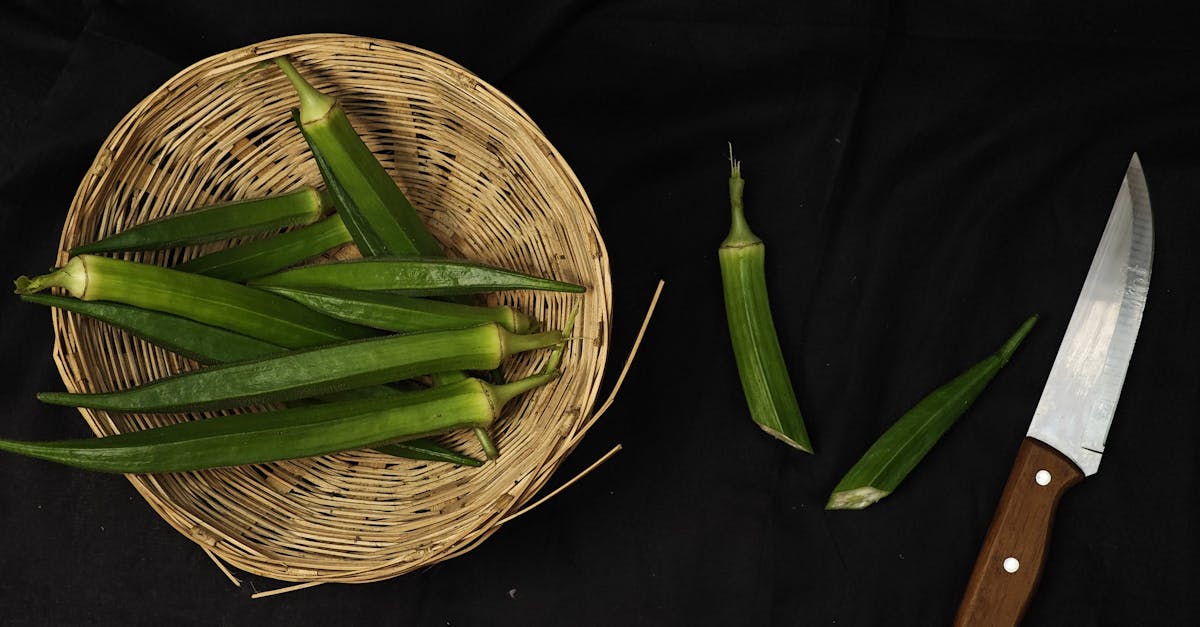
Overview
Okra, known as bhindi, is a fast growing warm season vegetable picked frequently over several weeks, so it needs nutrition that is available early for strong growth and then sustained through the long picking phase. The crop grows quickly and starts fruiting within about six to eight weeks, after which pods must be picked every two to three days, and each picking draws on the plant, so steady feeding keeps the pods coming. Nitrogen drives vigorous growth and continuous pod set, while phosphorus supports early roots and flowering and potassium improves pod quality and plant strength. Excess nitrogen gives tall leafy plants with fewer pods and more pest pressure. Splitting nitrogen across the season is the key. Use the ranges below as a guide, adjust to your Soil Health Card or a soil test, and confirm local rates with your nearest KVK.
Recommended NPK dose for Okra (Bhindi)
For open-pollinated okra a common recommendation is about 80 to 100 kg N, 40 to 60 kg P2O5 and 40 to 60 kg K2O per hectare, roughly 32 to 40 kg N, 16 to 24 kg P2O5 and 16 to 24 kg K2O per acre, with around 15 to 25 tonnes of FYM. Hybrids may need more, up to around 150 kg N, 100 kg P2O5 and 75 kg K2O per hectare, about 60 kg N, 40 kg P2O5 and 30 kg K2O per acre, often with higher FYM. These are starting ranges only. Your Soil Health Card or a recent soil test should set the real dose so you can cut any nutrient the soil already supplies and avoid waste. Confirm the exact figures for your variety and district with your local KVK.
Application schedule
Apply the full phosphorus, the full potash and about half of the nitrogen as a basal dose worked into the soil before sowing. Give the remaining nitrogen as top dressing in splits, commonly the first around 20 to 30 days after sowing as the crop builds its frame and the second around or just before flowering, with some growers adding a further small dose after the first harvest to sustain picking. Because okra is picked repeatedly over several weeks, keeping nitrogen and potassium available right through the picking phase keeps pods coming and prevents the plant from tiring early. Where drip is used, fertigation suits okra well with small frequent doses. If you irrigate by furrow, band the top dressing beside the rows and follow with water.
Organic & bio-fertilizers
Mix about 15 to 25 tonnes of well rotted farmyard manure per hectare, roughly 6 to 10 tonnes per acre, into the soil during land preparation, with hybrids benefiting from the higher rate, or use around 5 tonnes of vermicompost per hectare. Organic matter holds moisture and releases nutrients slowly, which suits a crop that is picked over many weeks and must not run short. Apply biofertilizers such as Azotobacter or Azospirillum for nitrogen and a phosphate solubilising bacterium for phosphorus, as a seed treatment or mixed into the manure, and adding Trichoderma helps suppress root and wilt diseases. For hybrids, a foliar spray of a balanced water soluble fertilizer such as 19:19:19 at about 0.5 percent during the picking phase can support continuous pod set. Build organic matter each season to keep the crop vigorous and reduce chemical needs.
Micronutrients & deficiency signs
Okra is generally hardy with fewer micronutrient problems than crops like cauliflower, but a few can appear. Zinc deficiency shows as yellowing between the veins of younger leaves, small leaves and stunted growth, corrected with zinc sulphate applied to the soil or as a 0.5 percent foliar spray. Boron deficiency can cause poor flowering, deformed pods and brittle growing points, corrected with a careful borax spray of about 0.1 to 0.2 percent, since boron is easily toxic in excess. Iron deficiency, mostly on alkaline soils, shows as yellowing of young leaves with green veins. A general balanced micronutrient foliar spray during the picking phase can help hybrids sustain pods. Apply any specific micronutrient only on the basis of a soil test or a clearly identified symptom.
Tips & cautions
Split nitrogen so half goes basal and the rest is top dressed across the growing and picking phases, instead of one dose that leaches before the long harvest. Do not overdose nitrogen, because tall leafy plants set fewer pods and attract more pests like jassids and whitefly. Keep nitrogen and potassium available right through the picking period, since each harvest draws on the plant and steady feeding keeps pods coming. Pick pods young and frequently, every two to three days, which itself encourages more flowering. If you have drip, fertigate in small frequent doses for the best efficiency. For hybrids, a light balanced foliar feed during picking can sustain yield. Apply micronutrients only on test or symptom, and build organic matter every season for steadier growth.
These are general recommendations. For the exact dose, follow your Soil Health Card / soil test and local KVK, and avoid over-applying urea.
FAQs
What is the NPK dose for one acre of okra?
How do I keep okra pods coming for longer?
Why are my okra plants tall with few pods?
How much FYM should I apply for okra?
Okra (Bhindi) pests & diseases
Get advice for your soil and crop
Ask farmers Fertilizer stock