
Okra Yellow Vein Mosaic Virus Control
Symptoms
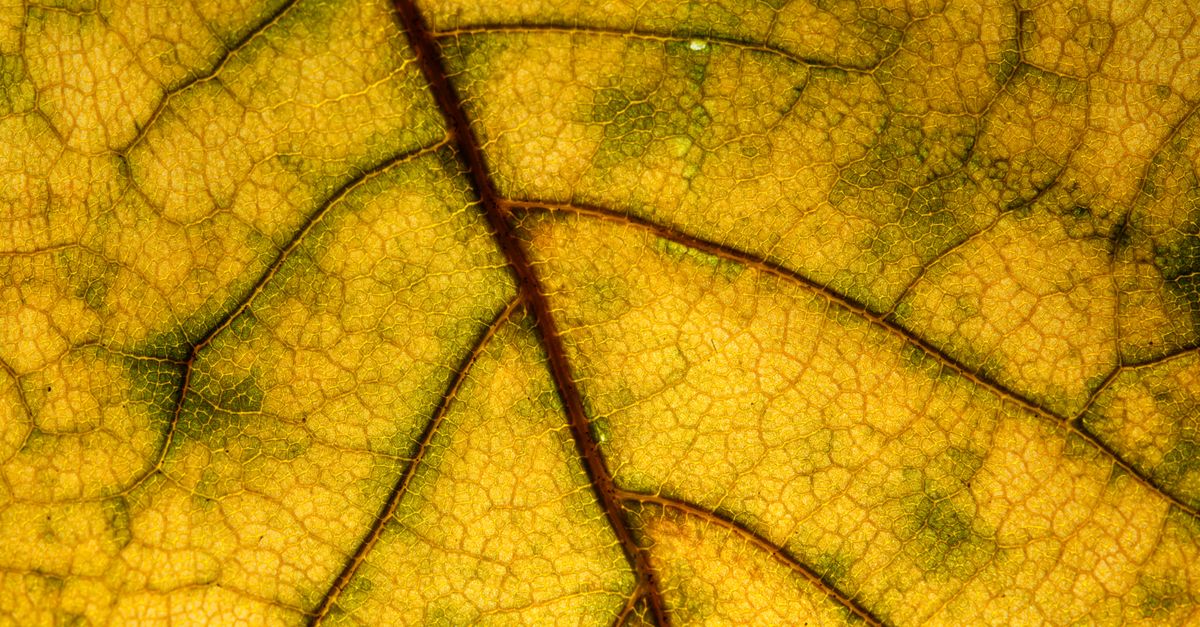
Veins and veinlets of the leaves turn yellow forming a fine network of yellow vein clearing while the area between veins stays green. In severe cases the whole leaf turns yellow and the network thickens. Infected plants become stunted, fruits are small, pale, deformed and bear hardly any seed.
Damage
Yellow vein mosaic is the most damaging viral disease of okra and is spread by the whitefly Bemisia tabaci. Early infection within the first month can cause yield losses of 50 to 90 percent. Fruits from infected plants are unmarketable, and the disease can wipe out susceptible varieties.
Organic & cultural control
Grow resistant or tolerant varieties as the most reliable control. Uproot and destroy infected plants early to remove the virus source. Manage the whitefly vector with yellow sticky traps and neem oil sprays. Keep the field and surroundings free of weeds and okra debris that harbour whitefly and virus, and avoid overlapping okra crops.
Chemical control
There is no chemical that cures the virus, so control is aimed at the whitefly vector. Whitefly can be checked with recommended insecticides such as diafenthiuron, flonicamid or a neonicotinoid used in rotation, along with neem oil. Avoid repeated use of the same insecticide to prevent whitefly resistance. Use only labelled products at the recommended dose, follow the pre-harvest interval and consult your KVK or agronomist.
Always follow the product label, the recommended pre-harvest interval, and your local KVK or agronomist. Pesticide approvals change, so verify before use.
Prevention
Choose resistant or tolerant varieties suited to your area. Use healthy seed and raise the crop in the recommended season to avoid peak whitefly periods. Rogue out infected plants regularly, control weeds that host whitefly, and avoid growing okra continuously in the same field.
FAQs
Why have my okra leaves turned into a yellow network?
Can I save a plant once it shows yellow vein mosaic?
How do I prevent yellow vein mosaic next season?
Get advice from farmers on your crop problem
Ask the community