
Best Fertilizer for Cabbage in India
Cabbage is grown for a single, tight, solid head, and like other cole crops it is a heavy feeder whose head quality depends on balanced nutrition with attention to boron. The crop first buil
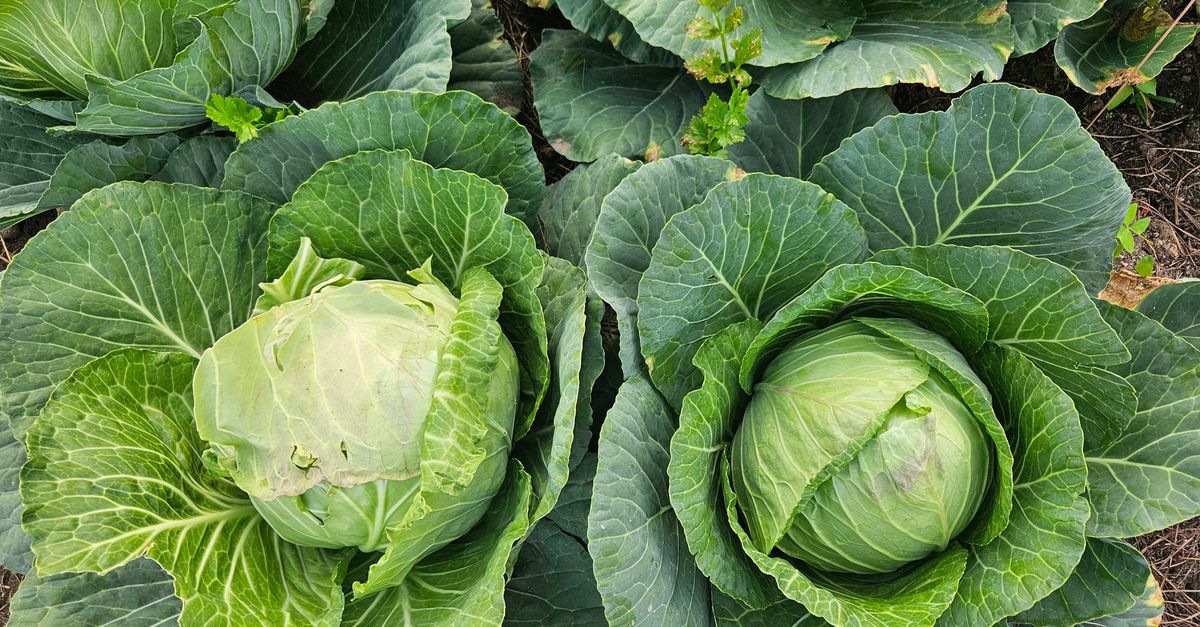
Overview
Cabbage is grown for a single, tight, solid head, and like other cole crops it is a heavy feeder whose head quality depends on balanced nutrition with attention to boron. The crop first builds a frame of outer leaves, then folds them into a firm head, so nutrients must drive strong early leaf growth and then a tight head fill. Nitrogen powers the leafy growth that becomes the head, but excess late nitrogen can cause loose heads, splitting and softer produce that stores poorly. Potassium supports head firmness and storage quality, while phosphorus aids early roots. Boron deficiency causes hollow, discoloured stems and poor head formation, a real risk on the depleted soils of many regions. Use the ranges below as a guide, adjust to your Soil Health Card or a soil test, and confirm regional rates and micronutrient needs with your local KVK.
Recommended NPK dose for Cabbage
A common recommendation for cabbage is about 120 to 150 kg N, 60 to 90 kg P2O5 and 60 to 90 kg K2O per hectare, which is roughly 48 to 60 kg N, 24 to 36 kg P2O5 and 24 to 36 kg K2O per acre, with around 25 to 30 tonnes of FYM. Where soils are deficient, add a micronutrient mixture or borax of around 10 kg per hectare as a basal dressing, since boron supports clean head formation. The crop removes a lot of nitrogen and potash to fill the head, so these ranges sit high. They are only a starting point. Your Soil Health Card or a recent soil test should set the real dose, letting you cut any nutrient the soil already supplies, and you should confirm the exact rates for your district with your local KVK.
Application schedule
Apply the full phosphorus, the full potash, the boron where needed, and about one third to half of the nitrogen as a basal dose worked into the bed at transplanting. Give the remaining nitrogen as top dressing in two splits, the first around 25 to 30 days after transplanting and the second around 45 days, before the head starts to form, timed where possible with earthing up. Avoid heavy nitrogen once heading begins, because late nitrogen produces loose heads and splitting, especially if followed by heavy watering. Keep moisture steady and even through head formation, since swings in moisture cause the heads to crack. Under drip, fertigation suits cabbage with small frequent doses. If you irrigate by furrow, band the top dressing beside the rows and follow with water.
Organic & bio-fertilizers
Mix about 25 to 30 tonnes of well rotted farmyard manure per hectare, roughly 10 to 12 tonnes per acre, into the soil during land preparation, or use around 5 to 6 tonnes of vermicompost per hectare. Cabbage is a heavy feeder and the steady nutrient release from organic matter supports both the outer leaf frame and a firm head, while the better moisture holding helps prevent the cracking that comes from uneven watering. Apply biofertilizers such as Azotobacter or Azospirillum for nitrogen and a phosphate solubilising bacterium for phosphorus, mixed into the manure or as a seedling root dip, and add Trichoderma to suppress damping off and root diseases common in cole crops. These organic inputs reduce the chemical dose and build long term fertility, but for a heavy feeder they work best alongside, not instead of, balanced fertilizer.
Micronutrients & deficiency signs
Boron is the key micronutrient for cabbage. Boron deficiency causes hollow, water soaked and discoloured stems inside the stalk, brown internal patches and poor, loose head formation, corrected by applying borax at around 10 kg per hectare in the soil where deficient or a careful foliar spray of about 0.1 to 0.2 percent, since excess boron is toxic. Molybdenum deficiency, though more famous in cauliflower, can also affect cabbage on acidic soils, distorting leaf growth, and is corrected with a small molybdate dose and by liming. Zinc and magnesium deficiencies may appear as yellowing and stunting and are corrected with their respective sulphates. Apply any micronutrient only on the basis of a soil test or a clearly identified symptom, and keep boron doses light, since cabbage is sensitive to boron excess.
Tips & cautions
Split nitrogen and finish the main feeding before heading begins, because late heavy nitrogen produces loose heads and splitting that store poorly. Do not overdose nitrogen at any stage, since soft heads are more prone to cracking and disease. Keep potassium adequate for head firmness and storage. Apply boron in the basal dose on soils known to be deficient, keeping the dose light and based on a soil test, since excess boron is quickly toxic. Keep moisture steady and even through head formation, because going from dry to heavy watering is the main cause of head cracking. If you have drip, fertigate in small frequent doses for the best efficiency. Build organic matter every season to improve moisture holding and steady the heads.
These are general recommendations. For the exact dose, follow your Soil Health Card / soil test and local KVK, and avoid over-applying urea.
FAQs
What is the NPK dose for one acre of cabbage?
Why are my cabbage heads splitting or cracking?
Does cabbage need boron?
When should I stop applying nitrogen to cabbage?
Cabbage pests & diseases
Get advice for your soil and crop
Ask farmers Cabbage price Fertilizer stock