
🌾 Wheat₹2,642/qtl▼12 🧅 Onion₹4,250/qtl▼25 🍅 Tomato₹2,300/qtl▼100 🥔 Potato₹1,100/qtl━ 🫘 Soybean₹6,769/qtl▼111 🪴 Cotton₹8,300/qtl▲50 🌿 Mustard₹8,000/qtl▼57 🌽 Maize₹2,350/qtl▼25 🧄 Garlic₹16,500/qtl▲1,500 🍚 Rice₹3,750/qtl▼150 🌾 Wheat₹2,642/qtl▼12 🧅 Onion₹4,250/qtl▼25 🍅 Tomato₹2,300/qtl▼100 🥔 Potato₹1,100/qtl━ 🫘 Soybean₹6,769/qtl▼111 🪴 Cotton₹8,300/qtl▲50 🌿 Mustard₹8,000/qtl▼57 🌽 Maize₹2,350/qtl▼25 🧄 Garlic₹16,500/qtl▲1,500 🍚 Rice₹3,750/qtl▼150
Export Buyer Connect · National Jute Board / DGFT (no APEDA)

Export Jute and Jute Products from India: Buyers, Process & Requirements

How to export Jute and Jute Products from India, who buys it, the quality and documentation buyers expect, and how to connect with verified export buyers.
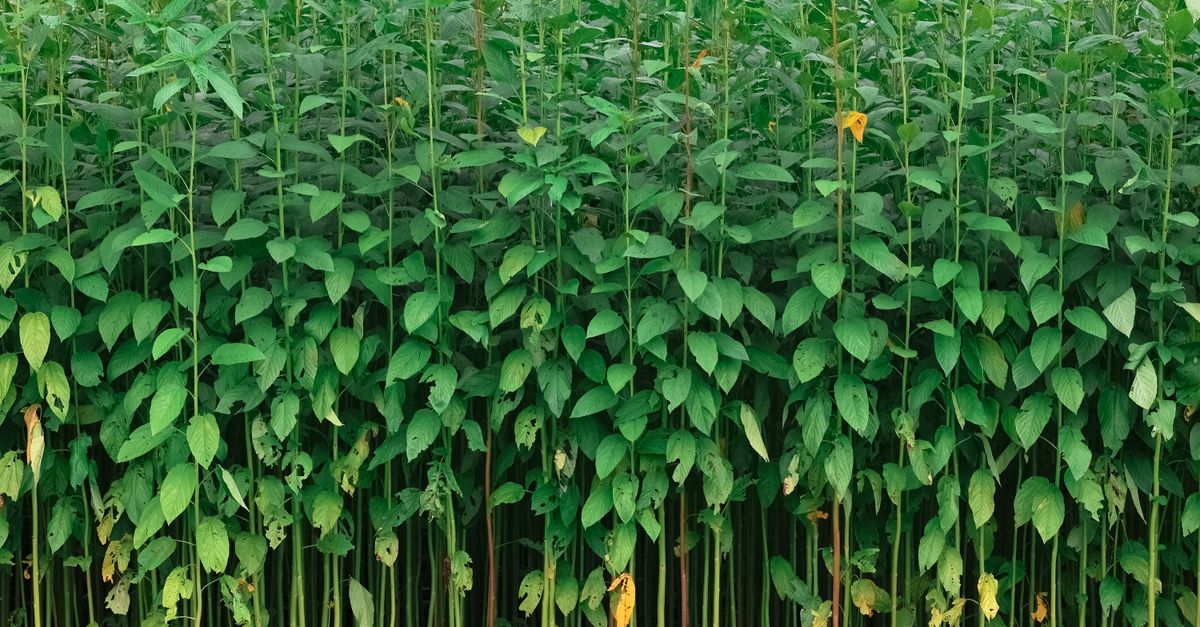
Jute and Jute Products for export from India

Top export markets for Jute and Jute Products

How to export Jute and Jute Products from India

Get an IEC from DGFT and engage with the National Jute Board for guidance on jute exports rather than APEDA. Test raw jute or finished goods for grade, moisture, strength and, for bags, weight, mesh and any food-grade or oil-treatment standard the buyer needs. Obtain a certificate of origin, inspection certificate and any phytosanitary or fumigation document required for raw jute or sacks. Sign a contract specifying product grade or specification, Incoterms, inspection and a secure payment method such as a letter of credit. Bale or bundle the goods appropriately and file the shipping bill via a customs broker. Confirm current standards and procedures on the DGFT and National Jute Board portals before shipping.

Quality and standards buyers expect

Raw jute is graded on fibre strength, colour, root content and moisture; finished goods (sacks, fabric, bags, home textiles) on weight, weave, finish and dimensional accuracy. Food-grade jute bags must meet the relevant treatment and contamination standards.

Packaging

Raw jute in pressed bales; finished products bundled, baled or boxed by type. Keep dry to avoid mildew, and label grade, specification, lot and origin.

Demand and opportunity

Solid and growing demand for eco-friendly jute bags, fabric and home and lifestyle products in Western markets, alongside traditional sacking. Sustainability positioning helps, but consistent finish and on-spec dimensions win repeat orders.

Common pitfalls and scams to avoid

Mildew from damp storage, off-spec weight or weave, and non-compliant treatment on food-grade bags cause rejections, so control moisture and inspect before loading. Avoid fake buyers and never pay advance fees to unverified agents.

Indicative HS code: HS 5303 (raw jute), HS 5310 (jute fabrics), HS 6305 10 (jute sacks and bags); confirm exact 8-digit codes on DGFT or ICEGATE. Confirm the exact 8-digit code, current export policy, fees and MRLs on the official National Jute Board / DGFT (no APEDA) portal before you ship.

FAQs

How do I export Jute and Jute Products from India?
Get an IEC from DGFT and engage with the National Jute Board for guidance on jute exports rather than APEDA. Test raw jute or finished goods for grade, moisture, strength and, for bags, weight, mesh and any food-grade or oil-treatment standard the buyer needs. Obtain a certificate of origin, inspection certificate and any phytosanitary or fumigation document required for raw jute or sacks. Sign a contract specifying product grade or specification, Incoterms, inspection and a secure payment method such as a letter of credit. Bale or bundle the goods appropriately and file the shipping bill via a customs broker. Confirm current standards and procedures on the DGFT and National Jute Board portals before shipping.
Which countries import Jute and Jute Products from India?
Major destinations include United States, United Kingdom, Germany, Netherlands, France, Australia. Demand and import rules differ by country, so confirm the current requirements with your buyer and the destination food authority before shipping.
How do I find genuine Jute and Jute Products export buyers and avoid scams?
Verify the buyer's company registration, insist on a secure payment route (a confirmed letter of credit or a verified advance), and never pay any "fee" to receive an order. Mildew from damp storage, off-spec weight or weave, and non-compliant treatment on food-grade bags cause rejections, so control moisture and inspect before loading. Avoid fake buyers and never pay advance fees to unverified agents. You can also submit your details below and our team will help connect you.
Free for farmers

Never miss a price or a deadline

Get free daily mandi prices, MSP changes, scheme cut-offs and weather alerts - and your own Kisan ID.

🔔

Free price & scheme alerts

Today's rates, MSP moves, scheme deadlines and weather - the moment they matter.

or on WhatsApp ↗
🪪

Your free Kisan ID

Join Bharat Annadata Sangh free - get a digital farmer ID card and free answers from our Krishi Team.

100% free · No spam · Prices from Agmarknet · Unsubscribe anytime