
Export Isabgol (Psyllium Husk) from India: Buyers, Process & Requirements
How to export Isabgol (Psyllium Husk) from India, who buys it, the quality and documentation buyers expect, and how to connect with verified export buyers.
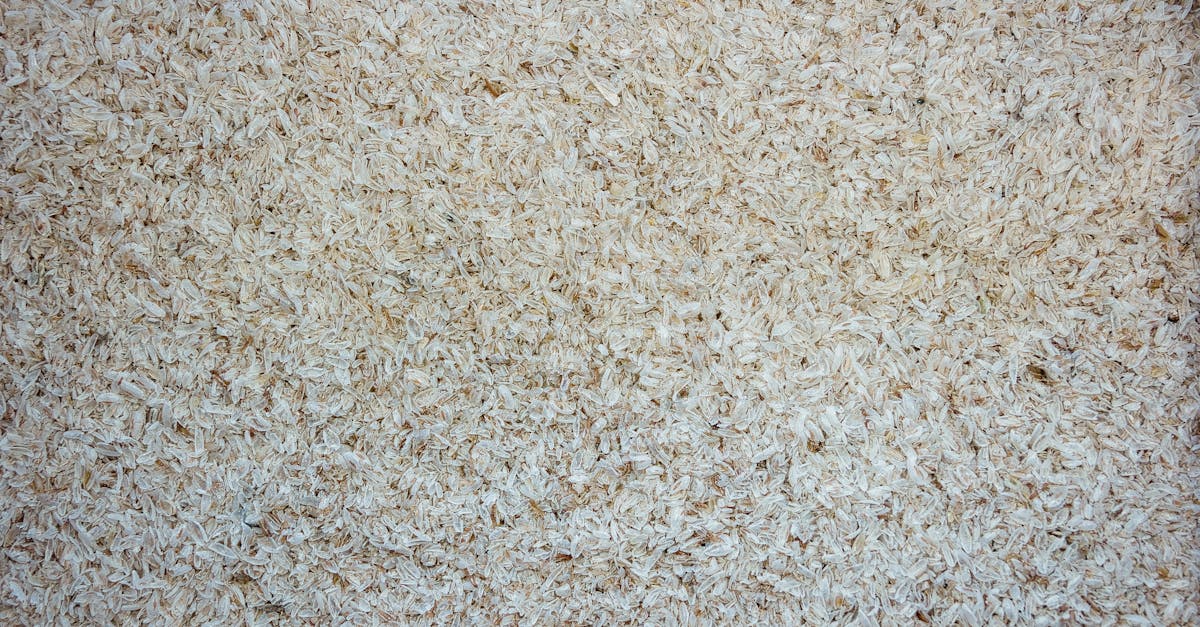
Top export markets for Isabgol (Psyllium Husk)
How to export Isabgol (Psyllium Husk) from India
Obtain an IEC from DGFT and register with the Spices Board (and APEDA for value-added or food products as applicable) for psyllium exports. Test husk and powder for purity, swelling volume, mesh or particle size, moisture, microbial parameters (including Salmonella and E. coli), pesticide residues and heavy metals, since US and EU food and supplement buyers apply strict food-safety and residue limits. Obtain a phytosanitary certificate, certificate of analysis and any food-grade or organic certificate the destination requires. Sign a contract specifying grade, purity, swelling volume, Incoterms, inspection and a secure payment method such as a letter of credit. Pack in food-grade bags or liners, then file the shipping bill via a customs broker. Confirm current food-safety, residue and certification rules on the Spices Board, APEDA, FSSAI and DGFT portals before shipping.
Quality and standards buyers expect
Psyllium husk and powder are graded on purity, swelling volume (a key functional parameter), particle size, moisture, light extraneous matter and microbial and residue safety. India dominates supply, and supplement and pharma buyers demand tight, certified specs.
Packaging
Food-grade multi-wall or PP bags with liners, or laminated pouches for retail; keep dry to protect swelling volume and prevent microbial growth. Label grade, purity, swelling volume, batch and origin and align with food and supplement labelling rules.
Demand and opportunity
India is the leading psyllium origin, with strong and durable demand in dietary fibre, supplement and pharmaceutical markets, especially the United States and Europe. Microbial and residue compliance and verified swelling volume drive buyer preference and premiums.
Common pitfalls and scams to avoid
Rejections most often come from microbial contamination (Salmonella, E. coli), pesticide residue or heavy-metal exceedances and low swelling volume, so test rigorously before loading. Avoid fake buyers harvesting samples and COAs without paying, and never pay advance or registration fees to unverified intermediaries.
Indicative HS code: HS 1211 90 (psyllium / isabgol seed and husk); confirm exact 8-digit code on DGFT or ICEGATE. Confirm the exact 8-digit code, current export policy, fees and MRLs on the official Spices Board / APEDA portal before you ship.