
White Grub Control
Symptoms
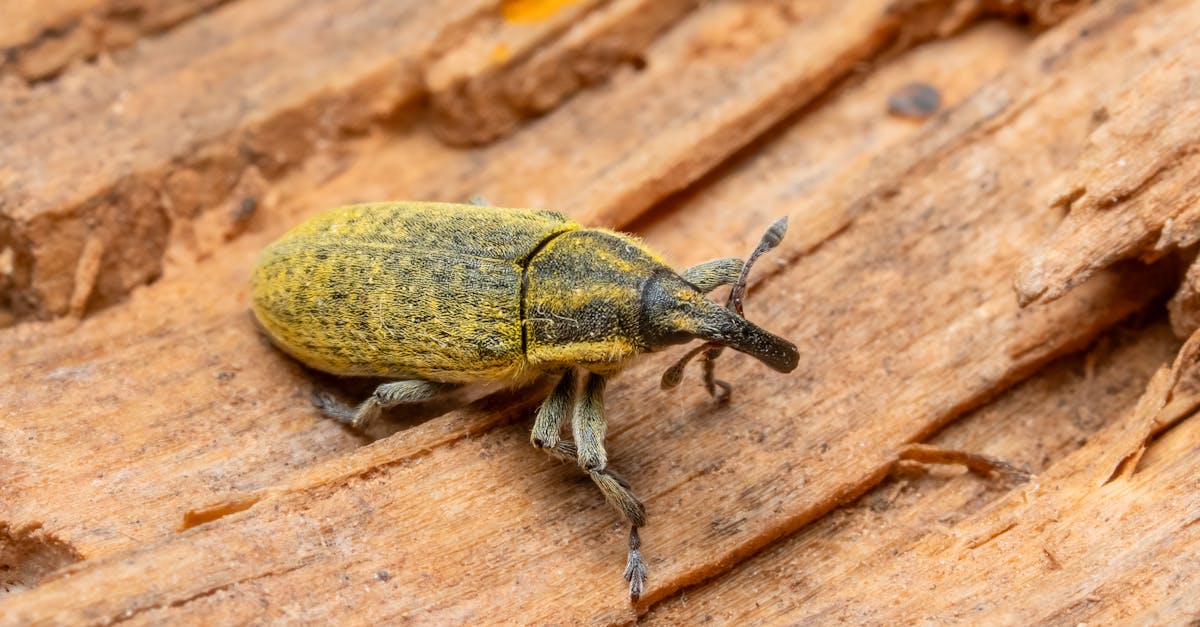
Plants wilt, turn yellow and dry up in scattered patches, and affected plants come out of the soil with a gentle pull because their roots are eaten. Digging near a wilted plant reveals fat, C-shaped, creamy white grubs with a brown head feeding on the roots, nodules and pods. The adult beetles emerge with the first monsoon rains and feed on tree leaves at night.
Damage
White grub is a serious pest of groundnut in arid and semi-arid regions of India and can cause heavy plant death and pod loss, sometimes 30 to 80 percent in outbreak years. The grubs feed underground on roots and pods so damage is hidden until plants wilt and die in patches, by which time control is difficult. Damage is worst on light sandy soils.
Organic & cultural control
Time the main effort against the adult beetles just after the first monsoon rains, when they swarm on host trees such as neem, ber and acacia at dusk, and collect and destroy them by shaking the trees. Set up light traps in the village to mass trap adults. Apply entomopathogenic fungi like Metarhizium or nematodes to the soil and add well-rotted manure rather than raw dung which attracts egg laying. Do deep summer ploughing to expose grubs to birds and sun.
Chemical control
Treat seed before sowing with a recommended insecticide such as imidacloprid, clothianidin or chlorpyriphos, which gives the most reliable protection against grubs feeding on young roots. Where grubs are already active, soil application of a recommended granular or drench insecticide near the root zone may help. Spraying adult beetles on host trees with a recommended insecticide reduces egg laying. Always follow the product label for dose and pre-harvest interval and consult your KVK or an agronomist before use.
Always follow the product label, the recommended pre-harvest interval, and your local KVK or agronomist. Pesticide approvals change, so verify before use.
Prevention
The cheapest control is community action against adult beetles right after the first monsoon showers, since one female lays many eggs. Treat seed with a recommended insecticide before sowing. Do deep summer ploughing to expose grubs and pupae. Use only well-rotted compost as fresh dung attracts egg-laying beetles. Set up light traps across the village and follow crop rotation to reduce build up.
FAQs
Why do my groundnut plants come out easily when pulled?
What is the best time to control white grub?
Does using fresh dung increase white grub problems?
Get advice from farmers on your crop problem
Ask the community