
Mango Mealybug Control
Symptoms
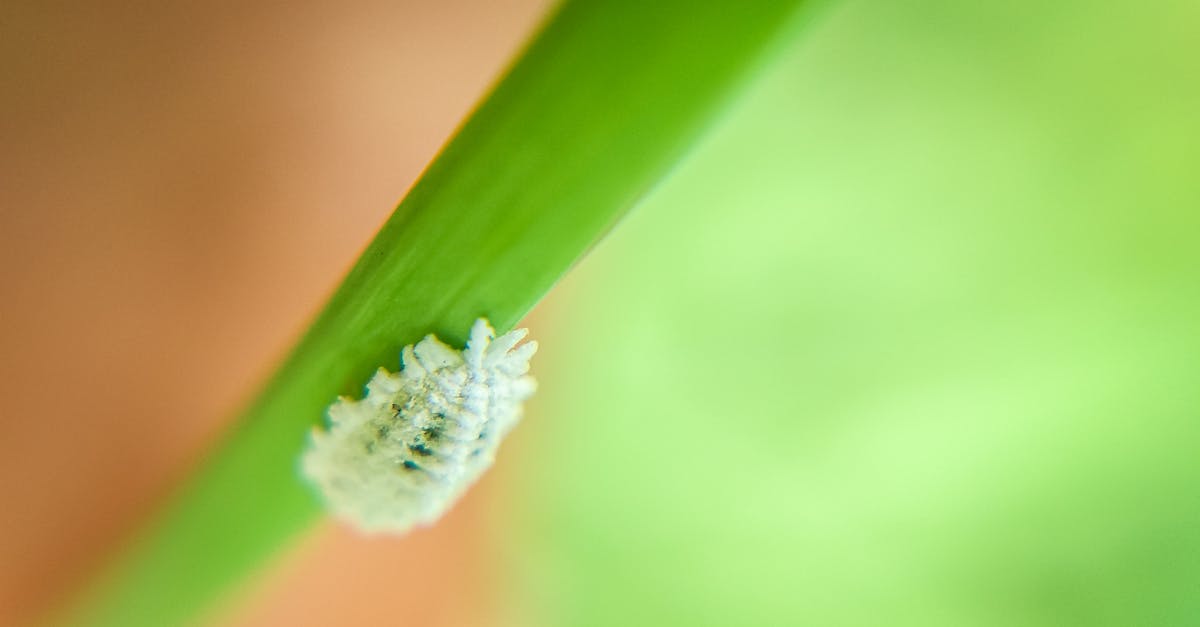
Soft, oval, white waxy insects covered in a powdery coat cluster on tender shoots, panicles and fruit stalks. Nymphs crawl up the trunk from the soil in winter. Infested panicles wilt, honeydew makes parts sticky, and black sooty mould develops on leaves and fruit.
Damage
Mealybugs suck sap from panicles and fruit causing flower and fruit drop and stunted growth. The honeydew and sooty mould reduce fruit quality and market value. Severe infestations early in the season can cause heavy yield loss in mango.
Organic & cultural control
Apply a slippery polythene band or sticky grease band of about twenty five centimetres around the trunk in November to stop nymphs crawling up from soil. Rake and expose the soil around the tree to destroy eggs. Spray neem oil or release the predatory beetle Cryptolaemus montrouzieri. A combination of cultural and biological methods gives very high control.
Chemical control
If crawlers are seen moving up despite banding, a spray or stem drench of a recommended insecticide such as buprofezin or imidacloprid can be used; integrating cultural, mechanical and chemical methods has achieved over ninety eight percent reduction. Always read the label, observe the pre-harvest interval, and consult your KVK or agronomist before any chemical use near flowering.
Always follow the product label, the recommended pre-harvest interval, and your local KVK or agronomist. Pesticide approvals change, so verify before use.
Prevention
Plough the orchard in summer and autumn to expose and kill eggs in the soil. Fix grease or polythene bands on trunks before the nymphs emerge in November to December. Remove and destroy heavily infested shoots and keep the orchard free of ant nests that protect mealybugs.
FAQs
How does the trunk band stop mango mealybug?
Which natural enemy controls mango mealybug?
Why does summer ploughing help against mealybug?
Get advice from farmers on your crop problem
Ask the community