
Mango Hopper Control
Symptoms
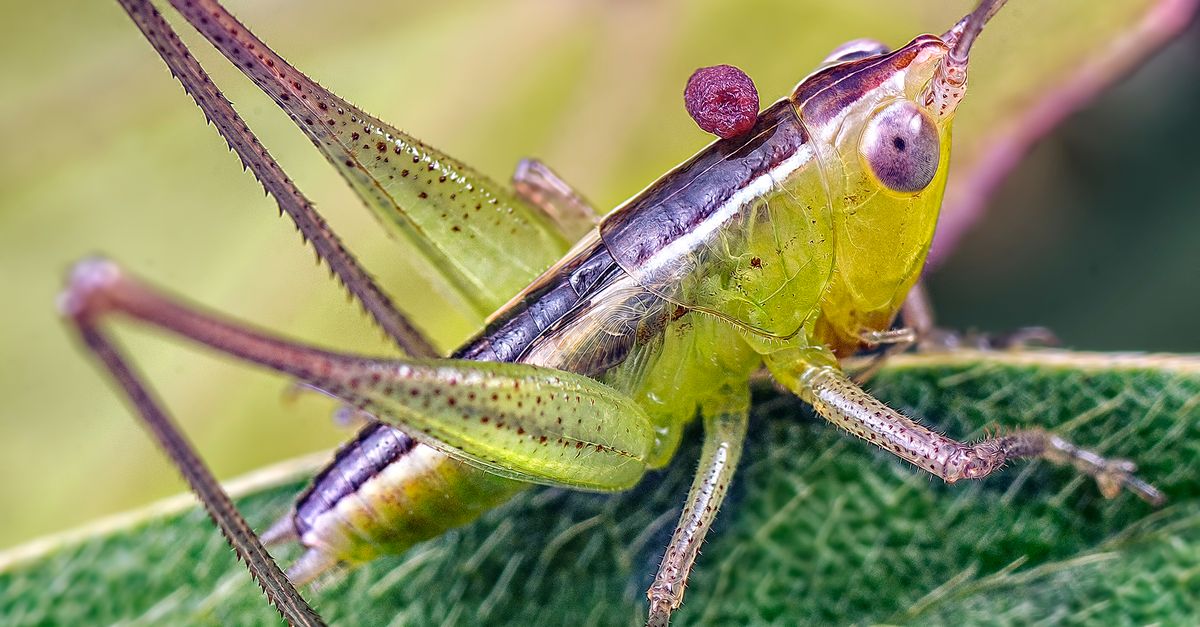
Wedge-shaped greenish to brown adults and nymphs cluster on flower panicles, tender shoots and the underside of leaves. They jump quickly when disturbed. Affected panicles dry up, flowers drop, and a shiny sticky honeydew coats the leaves on which a black sooty mould grows.
Damage
Hoppers suck sap from panicles and tender parts causing flower and fruit drop. Heavy infestation at flowering can destroy the entire crop. The sooty mould on honeydew blocks photosynthesis and lowers fruit quality. Damage is worst in dense, unpruned orchards with high humidity.
Organic & cultural control
Keep the orchard open by pruning crowded branches so air and sunlight reduce humidity. Spray neem oil based azadirachtin at the panicle emergence stage and repeat after fifteen days. Conserve natural enemies like spiders and predatory bugs. A spray of Beauveria bassiana or Metarhizium can suppress nymphs in humid weather.
Chemical control
Imidacloprid has shown over 88 percent reduction of hoppers and is widely recommended; a first spray at panicle emergence and a second at fruit set using a different group like thiamethoxam or buprofezin helps avoid resistance. Always read and follow the product label, observe the pre-harvest interval, and consult your local KVK or agronomist before spraying as a precaution to bees during flowering.
Always follow the product label, the recommended pre-harvest interval, and your local KVK or agronomist. Pesticide approvals change, so verify before use.
Prevention
Plant trees at proper spacing and prune annually to keep the canopy open. Remove weeds and water sprouts where hoppers hide. Monitor panicles weekly from flowering and spray only when hoppers cross five per panicle. Avoid excess nitrogen which produces soft, attractive growth.
FAQs
When does mango hopper attack the crop?
Does pruning help control mango hopper?
Can I spray during full bloom for hopper?
Get advice from farmers on your crop problem
Ask the community