
There is no single "best" organic fertilizer - the right choice depends on your soil, your crop and which nutrient you are short of. Below are the organic fertilizers that deliver the most for Indian farms, what each one is genuinely good at, how to use it, and how to build them into a simple, effective plan. New to organic inputs? Start with the organic fertilizer guide, then come back here to pick.
The Best Organic Fertilizers, and What Each Is For
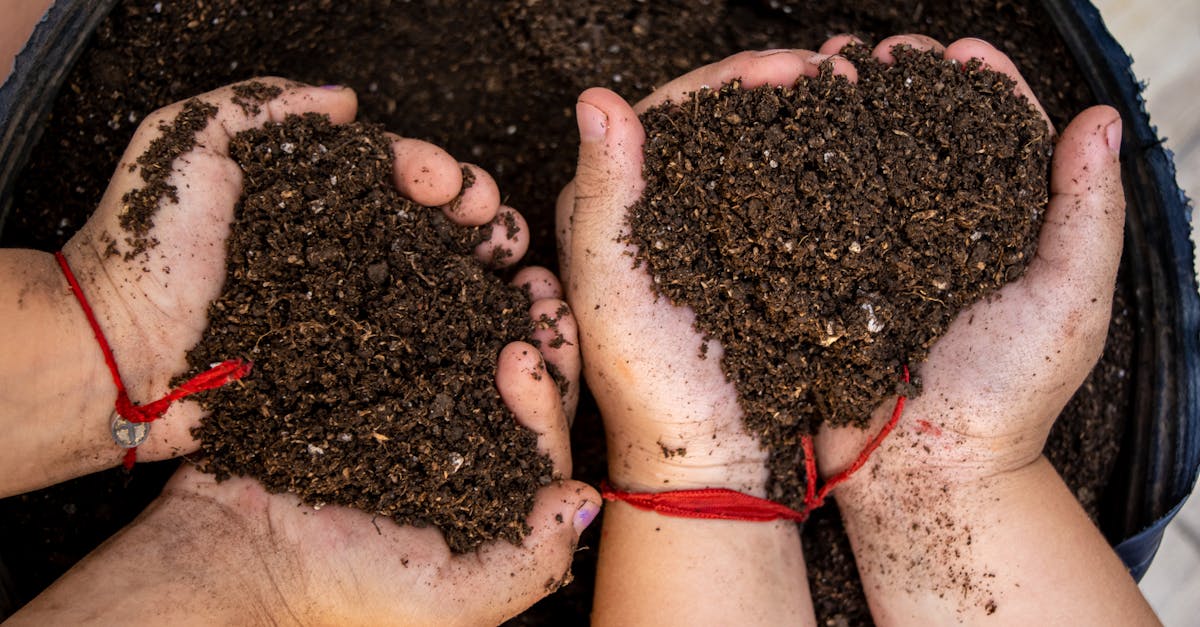
- Vermicompost - finely processed, microbe-rich and easy to apply; the most reliable all-round soil builder for almost any crop, and especially good for vegetables and nurseries. Apply near the root zone before and during early growth.
- Farmyard manure (FYM) / compost - the cheapest bulk source of organic matter. Use it well-decomposed and mixed into the soil 2-3 weeks before sowing; raw dung harms the crop. This is the backbone of most organic plans.
- Neem cake - good nutrition plus a natural suppressant of some soil pests and nematodes, which makes it a favourite for vegetables, orchards and high-value crops. It also slows the loss of nitrogen from soil.
- Green manure (dhaincha, sunhemp) - not bought but grown: sow it in the off-season and plough it back in while green to add free nitrogen and a big dose of organic matter before your main crop.
- Bone meal / rock phosphate - slow-release phosphorus from natural minerals, useful where a soil test shows phosphorus is low.
- Biofertilizers - cheap living microbes that punch above their weight: Rhizobium fixes nitrogen for pulses, Azotobacter / Azospirillum add nitrogen for cereals and vegetables, PSB unlocks soil phosphorus, and mycorrhiza improve root uptake. They are applied as a tiny seed or soil treatment.
- Mustard / castor oil cake - concentrated organic nutrient sources worth the cost on high-value crops.
- Jeevamrit & Beejamrit - low-cost on-farm microbial preparations central to zero-budget natural farming.

How to Apply Each One
The bulk builders (FYM, compost, vermicompost) go into the soil before sowing and can be top-dressed near roots later. Biofertilizers are mixed with a little water and coated onto seed just before sowing, or applied with FYM to the soil - never mix them with chemical fertilizer or pesticide, which kills the microbes. Oil cakes are powdered and worked into the topsoil. Green manure is grown in place and incorporated. Always store biofertilizer packs in the shade and use before the expiry date, since they contain living organisms.
How to Choose the Right Combination
Keep it simple: start with a bulk soil builder (vermicompost or well-rotted FYM), add a biofertilizer matched to your crop (Rhizobium for pulses, Azotobacter or PSB for cereals and vegetables), and add neem cake if soil pests are a problem. Match every choice to your soil health card rather than guessing, and remember organic fertilizer works best built up steadily over seasons. For specific crops, cross-check the dose in our fertilizer guides, and weigh the bigger picture in organic vs chemical fertilizer.
Quality Tips When Buying
- Good compost and vermicompost smell earthy, not foul, and are dark and crumbly - not lumpy or full of undecomposed matter.
- For biofertilizers, check the strain, the expiry date and that the pack was stored out of the sun.
- Buy from a reputable dealer or an FPO, and keep the bill.
- Cheapest is not always best - poorly cured compost can carry weed seeds and pathogens.
What Nutrient Content to Expect
Be realistic about strength. Bulk organics like FYM and compost carry only a small percentage of nitrogen, phosphorus and potassium and release it slowly, which is why you apply them by the tonne and judge them over seasons rather than weeks. Concentrated organics such as oil cakes and vermicompost are richer, but still far below a bag of urea or DAP per kilogram. That lower density is not really a weakness - it is the very reason organic fertilizer also rebuilds soil structure and biology instead of just spiking one nutrient - but it does mean you plan quantities generously and, on hungry crops, may still add a small soil-test-based chemical top-up. The full trade-off is in organic vs chemical fertilizer.
Make Your Own or Buy?
Making compost and vermicompost on-farm is the cheapest route and gives you full control over quality - our home compost guide and vermicompost guide show exactly how. Buying makes more sense for biofertilizers, oil cakes and bone meal, which are hard to make well at home. Most successful organic farmers do both: home-made bulk compost plus bought biofertilizers and cakes, often pooled through an FPO to cut cost.
Best Organic Fertilizer by Goal
If you prefer to choose by what you are trying to fix:
- Rebuild tired soil: FYM or compost plus a green manure crop.
- Fix nitrogen cheaply: Rhizobium for pulses, Azotobacter or Azospirillum for other crops.
- Low-phosphorus soil: PSB with bone meal or rock phosphate.
- Pest-prone vegetables: vermicompost with neem cake.
- High-value or orchard crops: heavier compost with oil cakes.