
Best Fertilizer for Brinjal in India
Brinjal, also called eggplant, is a long duration vegetable harvested over many weeks, so like chilli and tomato it needs a sustained, well split nutrient supply rather than one heavy dose.
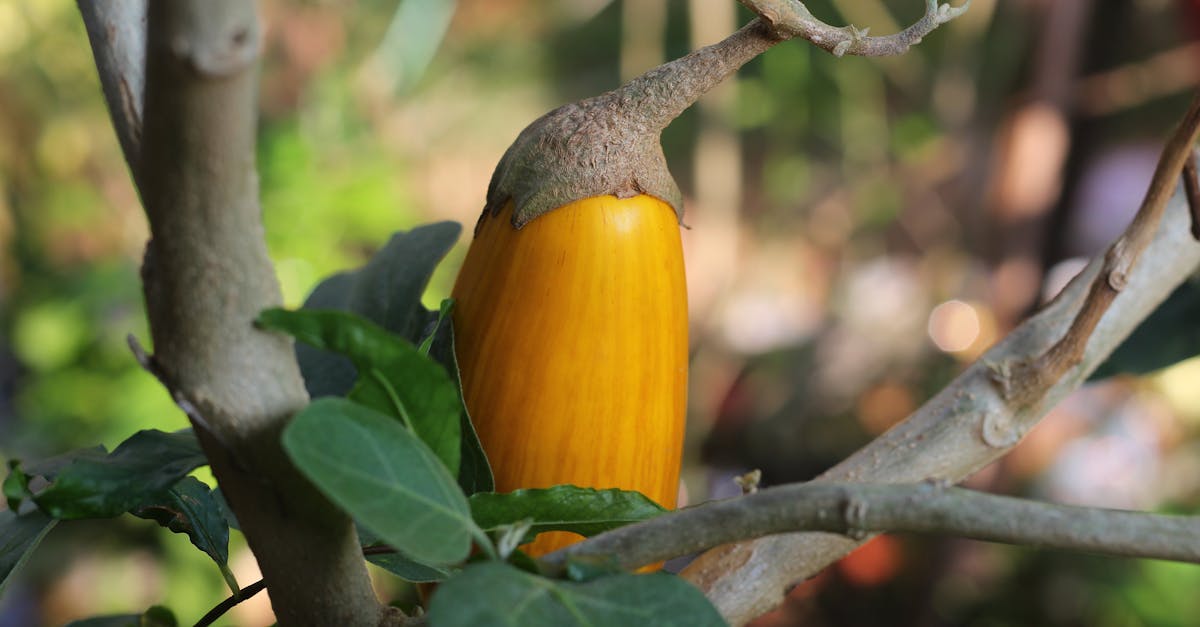
Overview
Brinjal, also called eggplant, is a long duration vegetable harvested over many weeks, so like chilli and tomato it needs a sustained, well split nutrient supply rather than one heavy dose. The plant builds a sturdy bush, then flowers and fruits continuously, which means nitrogen, phosphorus and potassium must all stay available right through the picking season. Nitrogen powers the vigorous bush and continuous flowering, but excess nitrogen produces soft, disease prone growth and can reduce fruit set. Potassium supports fruit set, size and quality, while phosphorus helps early root and flower development. Brinjal hybrids are noticeably hungrier than open-pollinated varieties. Splitting nitrogen and timing it with earthing up gives the best results. Use the ranges below as a guide, adjust to your Soil Health Card or a soil test, and confirm regional rates with your local KVK.
Recommended NPK dose for Brinjal
For open-pollinated brinjal a common recommendation is about 100 to 120 kg N, 50 to 60 kg P2O5 and 50 to 60 kg K2O per hectare, roughly 40 to 48 kg N, 20 to 24 kg P2O5 and 20 to 24 kg K2O per acre, with around 25 tonnes of FYM. Hybrids may need around 150 to 200 kg N, 60 to 100 kg P2O5 and 60 to 100 kg K2O per hectare, about 60 to 80 kg N, 24 to 40 kg P2O5 and 24 to 40 kg K2O per acre. Because brinjal fruits over a long season it removes a lot of nutrients, so these ranges run high. They are only a starting point. Your Soil Health Card or a recent soil test should set the real dose, letting you cut any nutrient the soil already supplies, and confirm with your local KVK.
Application schedule
Apply the full phosphorus, the full potash and about one third of the nitrogen as a basal dose worked into the bed before or at transplanting. Give the remaining nitrogen as top dressing in two splits, the first around 25 to 30 days after transplanting and the second around 45 to 50 days, timed where possible with earthing up so the nitrogen is banded near the roots before soil is mounded over it. Because brinjal fruits for a long time, keeping some nutrition going through the picking season helps sustain flowering and fruit size. Under drip, fertigation suits brinjal well, with small frequent doses and a lean toward potassium during fruiting. If you irrigate by furrow, place the top dressing beside the rows and follow with water.
Organic & bio-fertilizers
Mix about 25 tonnes of well rotted farmyard manure per hectare, roughly 10 tonnes per acre, into the soil during land preparation, or use around 5 tonnes of vermicompost per hectare. For a long season crop like brinjal, organic matter is valuable because it releases nutrients slowly and holds moisture across many weeks of fruiting, supporting steady flowering and reducing stress. Apply biofertilizers such as Azotobacter or Azospirillum for nitrogen and a phosphate solubilising bacterium for phosphorus, as a seedling root dip at transplanting or mixed into the manure, and add Trichoderma to help suppress the wilt and root diseases that affect brinjal. These organic inputs let you trim the chemical dose and build soil health over time, though for a heavy, long fruiting crop they work best alongside, not instead of, balanced fertilizer.
Micronutrients & deficiency signs
Brinjal is generally less prone to dramatic micronutrient disorders than tomato, but a few matter. Boron deficiency can cause corky, cracked fruit, brittle growing points and poor fruit set, corrected with a careful foliar spray of borax at about 0.1 to 0.2 percent, since boron is easily toxic in excess. Zinc deficiency shows as small, narrow upper leaves with pale areas between the veins and stunted growth, corrected with zinc sulphate in the soil or a 0.5 percent foliar spray. Iron deficiency, mostly on alkaline soils, appears as yellowing of young leaves with green veins. Calcium support during fruiting helps fruit quality on deficient soils. Apply any micronutrient only on the basis of a soil test or a clearly identified symptom, and keep doses light to avoid toxicity.
Tips & cautions
Split nitrogen into a basal dose plus two top dressings instead of one heavy application, since brinjal fruits over a long season and needs steady feeding. Do not overdose nitrogen, because soft, lush growth flowers poorly, sets less fruit and invites disease and pests like shoot and fruit borer. Keep potassium adequate through fruiting for size and quality. Time top dressing with earthing up so the nitrogen sits near the roots. If you have drip, fertigate in small frequent doses for the best efficiency and steadiest fruiting. Keep some nutrition going through the long picking period so flowering does not fade. Apply micronutrients only on test or symptom, keeping boron light, and build organic matter every season for steadier, healthier plants.
These are general recommendations. For the exact dose, follow your Soil Health Card / soil test and local KVK, and avoid over-applying urea.
FAQs
What is the NPK dose for one acre of brinjal?
How should I time nitrogen top dressing in brinjal?
Why is my brinjal all leaves with few fruits?
Does brinjal need micronutrients?
Brinjal pests & diseases
Get advice for your soil and crop
Ask farmers Brinjal price Fertilizer stock