
🌾 Wheat₹2,642/qtl▼12 🧅 Onion₹4,250/qtl▼25 🍅 Tomato₹2,300/qtl▼100 🥔 Potato₹1,100/qtl━ 🫘 Soybean₹6,769/qtl▼111 🪴 Cotton₹8,300/qtl▲50 🌿 Mustard₹8,000/qtl▼57 🌽 Maize₹2,350/qtl▼25 🧄 Garlic₹16,500/qtl▲1,500 🍚 Rice₹3,750/qtl▼150 🌾 Wheat₹2,642/qtl▼12 🧅 Onion₹4,250/qtl▼25 🍅 Tomato₹2,300/qtl▼100 🥔 Potato₹1,100/qtl━ 🫘 Soybean₹6,769/qtl▼111 🪴 Cotton₹8,300/qtl▲50 🌿 Mustard₹8,000/qtl▼57 🌽 Maize₹2,350/qtl▼25 🧄 Garlic₹16,500/qtl▲1,500 🍚 Rice₹3,750/qtl▼150
Export Buyer Connect · Spices Board / APEDA

Export Tamarind from India: Buyers, Process & Requirements

How to export Tamarind from India, who buys it, the quality and documentation buyers expect, and how to connect with verified export buyers.
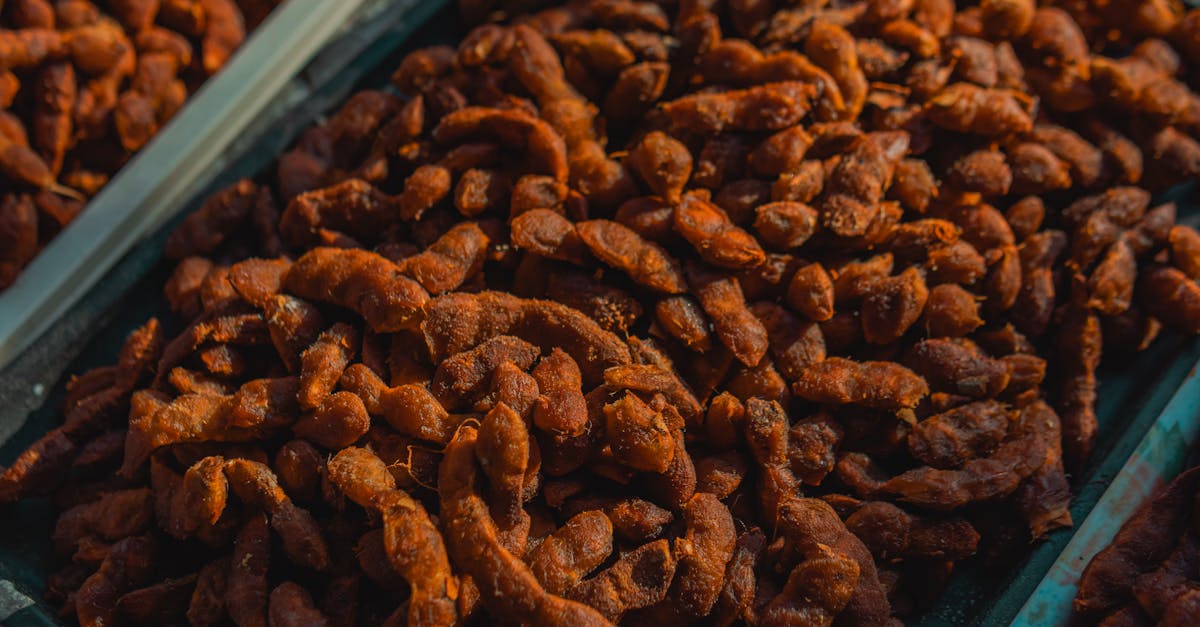
Tamarind for export from India

Top export markets for Tamarind

How to export Tamarind from India

Obtain an IEC from DGFT and register with APEDA and, where applicable, the Spices Board. Grade tamarind by form (whole pod, deseeded pulp, paste or concentrate) and test for moisture, pesticide residues against destination MRLs, microbial safety, freedom from mould and, for processed pulp, any preservative declarations. Secure a phytosanitary certificate from Plant Quarantine and any food-safety or fumigation certificate the buyer requires. Sign a contract fixing form, moisture, Incoterms, inspection and a safe payment route such as a letter of credit. Pack in clean food-grade packaging, arrange suitable shipping and file the shipping bill via a customs broker. Verify the latest MRL, microbial and labelling rules on the APEDA, Spices Board and FSSAI portals before shipping.

Quality and standards buyers expect

Buyers check colour, moisture, fibre and seed content, freedom from mould and foreign matter, pesticide residues within MRLs and microbial counts; processed pulp and concentrate are judged on acidity, consistency and preservatives. Clean, soft, low-moisture pulp earns better grades.

Packaging

Whole pods in cartons or bags, deseeded slab or pulp in food-grade lined cartons, and paste or concentrate in food-grade tubs or pouches. Keep moisture controlled to prevent mould, and label form, lot and origin.

Demand and opportunity

Steady demand for tamarind pulp, paste and concentrate in food and beverage uses across diaspora and processing markets. Mould-free, residue-compliant product with consistent quality drives acceptance.

Common pitfalls and scams to avoid

Main risks are mould, microbial issues, pesticide residue exceedances and unclear preservative declarations for processed forms, so test and label correctly before loading. Watch for fake enquiries and never pay advance fees to unverified agents.

Indicative HS code: HS 0810 90 (fresh tamarind), HS 0813 40 (dried); confirm exact 8-digit code on DGFT or ICEGATE. Confirm the exact 8-digit code, current export policy, fees and MRLs on the official Spices Board / APEDA portal before you ship.

FAQs

How do I export Tamarind from India?
Obtain an IEC from DGFT and register with APEDA and, where applicable, the Spices Board. Grade tamarind by form (whole pod, deseeded pulp, paste or concentrate) and test for moisture, pesticide residues against destination MRLs, microbial safety, freedom from mould and, for processed pulp, any preservative declarations. Secure a phytosanitary certificate from Plant Quarantine and any food-safety or fumigation certificate the buyer requires. Sign a contract fixing form, moisture, Incoterms, inspection and a safe payment route such as a letter of credit. Pack in clean food-grade packaging, arrange suitable shipping and file the shipping bill via a customs broker. Verify the latest MRL, microbial and labelling rules on the APEDA, Spices Board and FSSAI portals before shipping.
Which countries import Tamarind from India?
Major destinations include United States, United Arab Emirates, United Kingdom, Malaysia, Saudi Arabia, Sri Lanka. Demand and import rules differ by country, so confirm the current requirements with your buyer and the destination food authority before shipping.
How do I find genuine Tamarind export buyers and avoid scams?
Verify the buyer's company registration, insist on a secure payment route (a confirmed letter of credit or a verified advance), and never pay any "fee" to receive an order. Main risks are mould, microbial issues, pesticide residue exceedances and unclear preservative declarations for processed forms, so test and label correctly before loading. Watch for fake enquiries and never pay advance fees to unverified agents. You can also submit your details below and our team will help connect you.
Free for farmers

Never miss a price or a deadline

Get free daily mandi prices, MSP changes, scheme cut-offs and weather alerts - and your own Kisan ID.

🔔

Free price & scheme alerts

Today's rates, MSP moves, scheme deadlines and weather - the moment they matter.

or on WhatsApp ↗
🪪

Your free Kisan ID

Join Bharat Annadata Sangh free - get a digital farmer ID card and free answers from our Krishi Team.

100% free · No spam · Prices from Agmarknet · Unsubscribe anytime