
Export Sapota (Chikoo) from India: Buyers, Process & Requirements
How to export Sapota (Chikoo) from India, who buys it, the quality and documentation buyers expect, and how to connect with verified export buyers.
Top export markets for Sapota (Chikoo)
How to export Sapota (Chikoo) from India
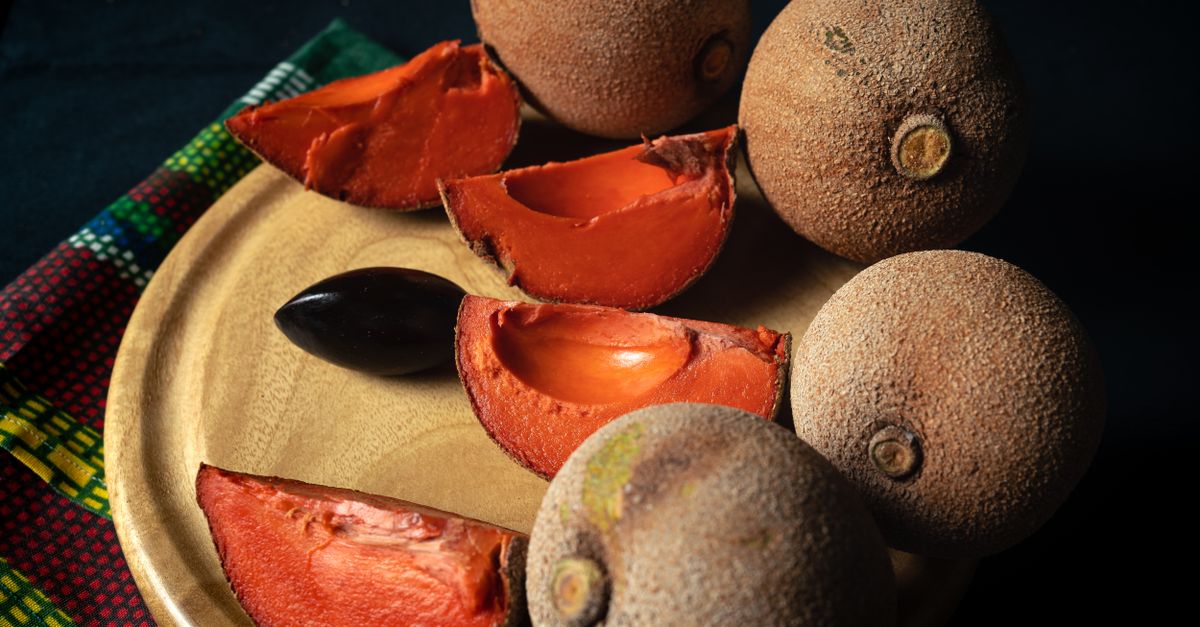
Get an IEC from DGFT and register with APEDA. Harvest at mature-hard stage, and pack through a hygienic pack-house with washing to remove the brown scurf, grading and any permitted post-harvest treatment. Each consignment needs a phytosanitary certificate from plant quarantine, and you must meet the destination's MRLs and fruit-fly quarantine conditions; sapota is a fruit-fly host, so some markets require hot water treatment, VHT or irradiation. Sapota ripens fast, so pre-cool and ship reefer at the recommended temperature, or air freight for premium markets. Agree Incoterms and a secure payment method with the buyer before shipping. Confirm current protocols on the APEDA portal and with plant quarantine.
Quality and standards buyers expect
Meet destination MRLs. Grade by size, shape, clean skin and freedom from fruit-fly damage and over-ripeness. As a fruit-fly host, sapota may need hot water treatment, VHT or irradiation for quarantine markets; confirm exact protocol per destination.
Packaging
Single-layer CFB cartons with foam sleeves or trays; palletised and shipped reefer, with air freight used for premium or distant buyers.
Demand and opportunity
Niche demand in the Gulf, UK and among South Asian diaspora; fast ripening and fruit-fly status limit market reach. Verify buyer demand directly.
Common pitfalls and scams to avoid
Fast ripening and short shelf life, fruit-fly interception without treatment, MRL rejection, cold-chain failure, and advance-fee scams from fake importers.
Indicative HS code: 0810.90 (sapota/chikoo and other fresh fruit). Confirm the exact 8-digit code on the DGFT schedule.. Confirm the exact 8-digit code, current export policy, fees and MRLs on the official APEDA portal before you ship.