
🌾 Wheat₹2,642/qtl▼12 🧅 Onion₹4,250/qtl▼25 🍅 Tomato₹2,300/qtl▼100 🥔 Potato₹1,100/qtl━ 🫘 Soybean₹6,769/qtl▼111 🪴 Cotton₹8,300/qtl▲50 🌿 Mustard₹8,000/qtl▼57 🌽 Maize₹2,350/qtl▼25 🧄 Garlic₹16,500/qtl▲1,500 🍚 Rice₹3,750/qtl▼150 🌾 Wheat₹2,642/qtl▼12 🧅 Onion₹4,250/qtl▼25 🍅 Tomato₹2,300/qtl▼100 🥔 Potato₹1,100/qtl━ 🫘 Soybean₹6,769/qtl▼111 🪴 Cotton₹8,300/qtl▲50 🌿 Mustard₹8,000/qtl▼57 🌽 Maize₹2,350/qtl▼25 🧄 Garlic₹16,500/qtl▲1,500 🍚 Rice₹3,750/qtl▼150
Export Buyer Connect · APEDA, under Ministry of Commerce; export policy and any quota or duty notifications via DGFT

Export Non-Basmati Rice from India: Buyers, Process & Requirements

How to export Non-Basmati Rice from India, who buys it, the quality and documentation buyers expect, and how to connect with verified export buyers.
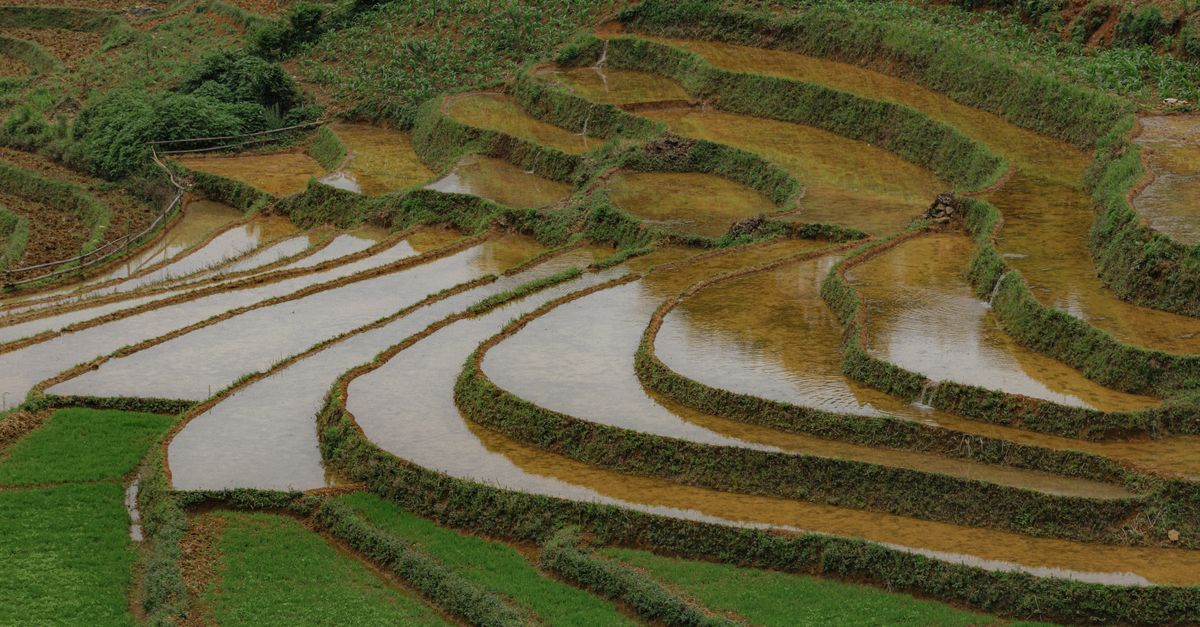
Non-Basmati Rice for export from India

Top export markets for Non-Basmati Rice

How to export Non-Basmati Rice from India

Obtain an IEC from DGFT and register with APEDA. Mill and grade the rice to the agreed broken percentage and moisture, and arrange lab testing for quality and residues. Get a phytosanitary certificate and certificate of origin, and any fumigation certificate the destination requires. Use secure payment terms such as a confirmed Letter of Credit or advance, and put grade, tolerance and shipment terms in the contract. Non-basmati rice export rules in India have changed often, including export bans, quotas and duties, so confirm the current export policy, any minimum export price and registration steps on the DGFT and APEDA portals right before you commit.

Quality and standards buyers expect

Key parameters are broken percentage, moisture, foreign matter, chalkiness and uniform milling. Buyers also check pesticide residues and, for parboiled grades, colour and hardness; arrange accredited-lab testing and confirm the importing country's current MRLs and standards on APEDA and FSSAI references.

Packaging

Food-grade woven polypropylene or jute bags, commonly 25 kg or 50 kg, container-loaded with liners to control moisture; bulk shipments use the buyer's specified bagging.

Demand and opportunity

West Africa and neighbouring South Asian markets are major qualitative demand centres for affordable staple rice, including parboiled grades. Demand and India's ability to supply both depend heavily on government export policy, so treat any market read as provisional and verify current rules.

Common pitfalls and scams to avoid

The leading risk is sudden Indian policy change (bans, quotas, export duty) that can strand a deal, so check DGFT before signing. Beware fake buyers and advance-fee scams asking you to prepay fees; verify the importer, avoid open credit to strangers, and test grade before loading to prevent rejection disputes.

Indicative HS code: Chapter 1006 (including 1006 30 milled and 1006 40 broken rice). Confirm the exact 8-digit code, current export policy, fees and MRLs on the official APEDA, under Ministry of Commerce; export policy and any quota or duty notifications via DGFT portal before you ship.

FAQs

How do I export Non-Basmati Rice from India?
Obtain an IEC from DGFT and register with APEDA. Mill and grade the rice to the agreed broken percentage and moisture, and arrange lab testing for quality and residues. Get a phytosanitary certificate and certificate of origin, and any fumigation certificate the destination requires. Use secure payment terms such as a confirmed Letter of Credit or advance, and put grade, tolerance and shipment terms in the contract. Non-basmati rice export rules in India have changed often, including export bans, quotas and duties, so confirm the current export policy, any minimum export price and registration steps on the DGFT and APEDA portals right before you commit.
Which countries import Non-Basmati Rice from India?
Major destinations include Benin, Senegal, Nepal, Bangladesh, Ivory Coast, Guinea. Demand and import rules differ by country, so confirm the current requirements with your buyer and the destination food authority before shipping.
How do I find genuine Non-Basmati Rice export buyers and avoid scams?
Verify the buyer's company registration, insist on a secure payment route (a confirmed letter of credit or a verified advance), and never pay any "fee" to receive an order. The leading risk is sudden Indian policy change (bans, quotas, export duty) that can strand a deal, so check DGFT before signing. Beware fake buyers and advance-fee scams asking you to prepay fees; verify the importer, avoid open credit to strangers, and test grade before loading to prevent rejection disputes. You can also submit your details below and our team will help connect you.
Free for farmers

Never miss a price or a deadline

Get free daily mandi prices, MSP changes, scheme cut-offs and weather alerts - and your own Kisan ID.

🔔

Free price & scheme alerts

Today's rates, MSP moves, scheme deadlines and weather - the moment they matter.

or on WhatsApp ↗
🪪

Your free Kisan ID

Join Bharat Annadata Sangh free - get a digital farmer ID card and free answers from our Krishi Team.

100% free · No spam · Prices from Agmarknet · Unsubscribe anytime