
Export Lentil (Masur) from India: Buyers, Process & Requirements
How to export Lentil (Masur) from India, who buys it, the quality and documentation buyers expect, and how to connect with verified export buyers.
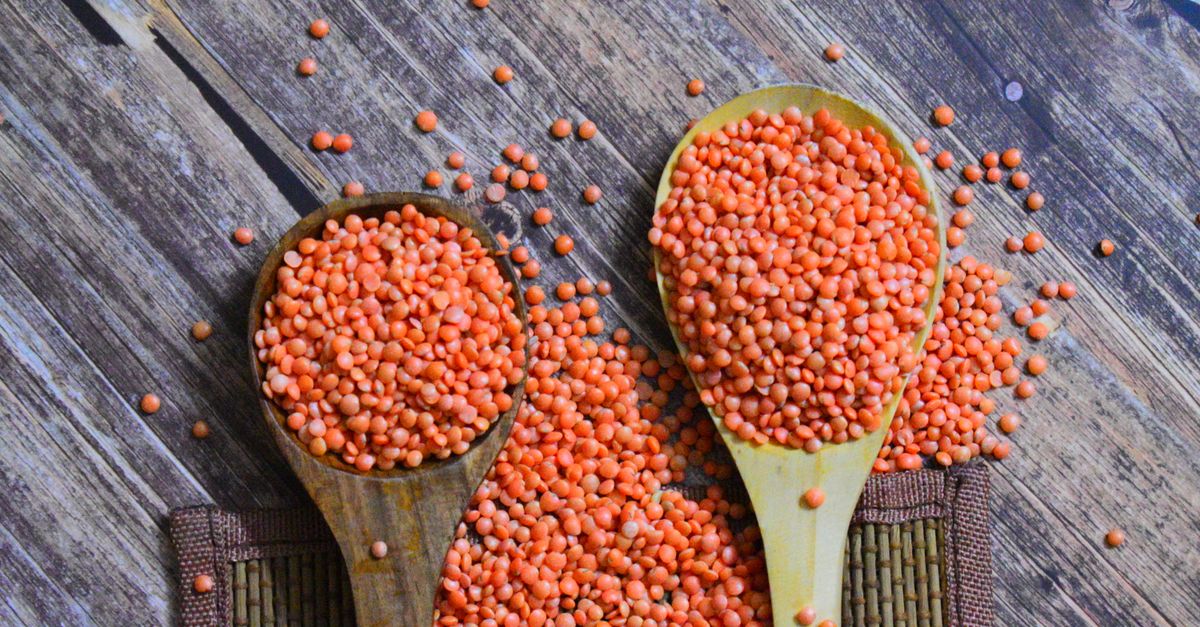
Top export markets for Lentil (Masur)
How to export Lentil (Masur) from India
Obtain an IEC from DGFT and register with APEDA. Clean and grade whole masur or split it into red masur dal, then test for moisture, foreign matter and residues at an accredited lab. Arrange a phytosanitary certificate, fumigation where required and certificate of origin. Use a confirmed Letter of Credit or advance and record grade and packaging in the contract. Confirm current export policy and destination requirements on the DGFT, APEDA and FSSAI portals before shipping.
Quality and standards buyers expect
Buyers check seed size and colour, moisture, foreign matter, splits, insect damage and residue limits; red dal buyers want consistent colour after splitting. Use accredited-lab testing and confirm the destination's current MRLs on APEDA and FSSAI references.
Packaging
Food-grade woven polypropylene or jute bags around 25-50 kg for whole lentils, with laminated retail packs for masur dal; container-load with pest and moisture protection.
Demand and opportunity
Demand comes from neighbouring South Asian markets, the Gulf and diaspora communities for an everyday dal. India is a large consumer and significant importer of lentils, so export availability is limited and policy-driven; verify current rules before committing.
Common pitfalls and scams to avoid
Because India often imports lentils, export windows depend on policy, so check DGFT first. Avoid advance-fee fraud and fake buyers, never prepay clearance charges, and prevent insect-damage and splits rejection through proper cleaning and storage.
Indicative HS code: Chapter 0713; lentils under 0713 40. Confirm the exact 8-digit code, current export policy, fees and MRLs on the official APEDA, under Ministry of Commerce; export policy via DGFT portal before you ship.