
🌾 Wheat₹2,642/qtl▼12 🧅 Onion₹4,250/qtl▼25 🍅 Tomato₹2,300/qtl▼100 🥔 Potato₹1,100/qtl━ 🫘 Soybean₹6,769/qtl▼111 🪴 Cotton₹8,300/qtl▲50 🌿 Mustard₹8,000/qtl▼57 🌽 Maize₹2,350/qtl▼25 🧄 Garlic₹16,500/qtl▲1,500 🍚 Rice₹3,750/qtl▼150 🌾 Wheat₹2,642/qtl▼12 🧅 Onion₹4,250/qtl▼25 🍅 Tomato₹2,300/qtl▼100 🥔 Potato₹1,100/qtl━ 🫘 Soybean₹6,769/qtl▼111 🪴 Cotton₹8,300/qtl▲50 🌿 Mustard₹8,000/qtl▼57 🌽 Maize₹2,350/qtl▼25 🧄 Garlic₹16,500/qtl▲1,500 🍚 Rice₹3,750/qtl▼150
Export Buyer Connect · Textiles Committee / DGFT (no APEDA)

Export Raw Cotton and Cotton Yarn from India: Buyers, Process & Requirements

How to export Raw Cotton and Cotton Yarn from India, who buys it, the quality and documentation buyers expect, and how to connect with verified export buyers.
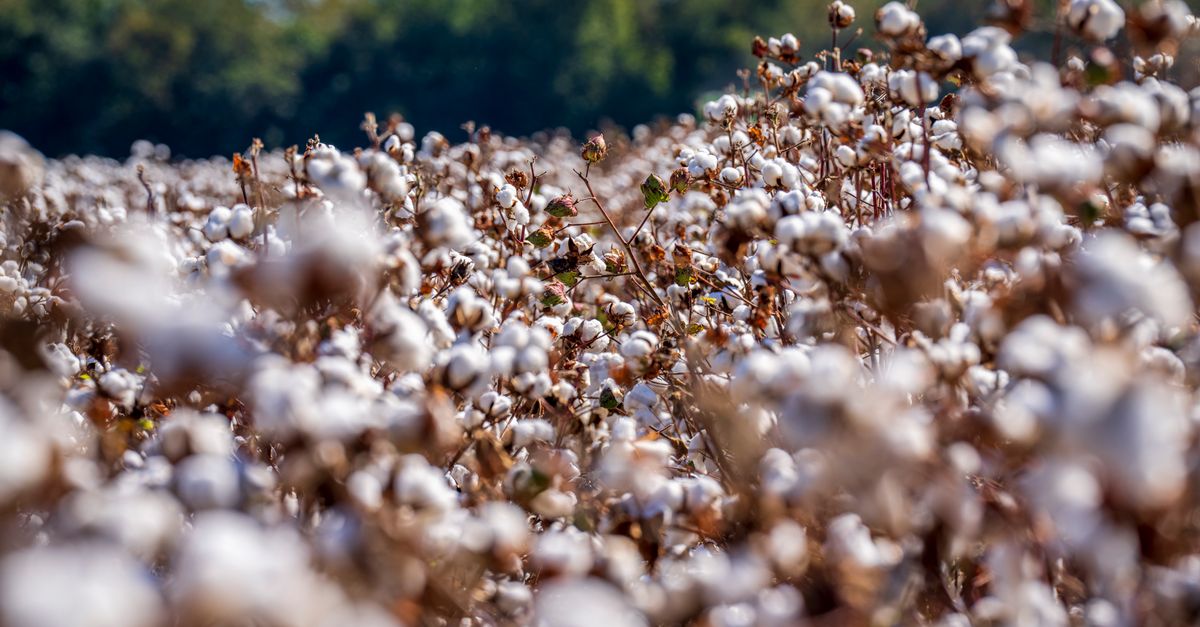
Raw Cotton and Cotton Yarn for export from India

Top export markets for Raw Cotton and Cotton Yarn

How to export Raw Cotton and Cotton Yarn from India

Obtain an IEC from DGFT; raw cotton and yarn fall under the textiles regime, so register and obtain inspection or certification through the Textiles Committee or an authorised agency rather than APEDA. Have raw cotton tested for fibre parameters such as staple length, micronaire, strength, trash and moisture, and yarn tested for count, strength, evenness and imperfections. Arrange any inspection certificate, certificate of origin and, where applicable, a fumigation or phytosanitary document for raw cotton. Sign a contract with clear quality parameters, Incoterms, inspection clause and a secure payment method such as a letter of credit. Press cotton into standard bales or pack yarn on cones in cartons, then file the shipping bill via a customs broker. Check current export policy, any quota or duty notifications and procedures on the DGFT and Textiles Committee portals before shipping, since raw cotton export rules can change.

Quality and standards buyers expect

Raw cotton is graded on staple length, micronaire, strength, trash content, colour and moisture; yarn on count, tensile strength, evenness, hairiness and imperfections. Contamination control in raw cotton and consistent count in yarn are decisive for spinning and weaving buyers.

Packaging

Raw cotton in pressed bales with proper wrapping and strapping; yarn wound on cones and packed in cartons or bags. Keep clean and dry, prevent contamination by foreign fibres, and label grade, count, lot and origin.

Demand and opportunity

Large and ongoing global demand, with raw cotton flowing to spinning hubs and yarn to garment and weaving markets. Demand and pricing track global cotton cycles and policy; quality consistency and contamination control build long-term buyers.

Common pitfalls and scams to avoid

Contamination (foreign fibre, polypropylene), micronaire or staple shortfalls, and shifting raw-cotton export policy or duties are the main risks, so verify current DGFT rules and inspect every lot. Avoid unverified buyers and never pay advance or facilitation fees to unknown agents.

Indicative HS code: HS 5201 / 5203 (raw cotton), HS 5205 / 5206 (cotton yarn); confirm exact 8-digit codes on DGFT or ICEGATE. Confirm the exact 8-digit code, current export policy, fees and MRLs on the official Textiles Committee / DGFT (no APEDA) portal before you ship.

FAQs

How do I export Raw Cotton and Cotton Yarn from India?
Obtain an IEC from DGFT; raw cotton and yarn fall under the textiles regime, so register and obtain inspection or certification through the Textiles Committee or an authorised agency rather than APEDA. Have raw cotton tested for fibre parameters such as staple length, micronaire, strength, trash and moisture, and yarn tested for count, strength, evenness and imperfections. Arrange any inspection certificate, certificate of origin and, where applicable, a fumigation or phytosanitary document for raw cotton. Sign a contract with clear quality parameters, Incoterms, inspection clause and a secure payment method such as a letter of credit. Press cotton into standard bales or pack yarn on cones in cartons, then file the shipping bill via a customs broker. Check current export policy, any quota or duty notifications and procedures on the DGFT and Textiles Committee portals before shipping, since raw cotton export rules can change.
Which countries import Raw Cotton and Cotton Yarn from India?
Major destinations include Bangladesh, China, Vietnam, Pakistan, Portugal, Peru. Demand and import rules differ by country, so confirm the current requirements with your buyer and the destination food authority before shipping.
How do I find genuine Raw Cotton and Cotton Yarn export buyers and avoid scams?
Verify the buyer's company registration, insist on a secure payment route (a confirmed letter of credit or a verified advance), and never pay any "fee" to receive an order. Contamination (foreign fibre, polypropylene), micronaire or staple shortfalls, and shifting raw-cotton export policy or duties are the main risks, so verify current DGFT rules and inspect every lot. Avoid unverified buyers and never pay advance or facilitation fees to unknown agents. You can also submit your details below and our team will help connect you.
Free for farmers

Never miss a price or a deadline

Get free daily mandi prices, MSP changes, scheme cut-offs and weather alerts - and your own Kisan ID.

🔔

Free price & scheme alerts

Today's rates, MSP moves, scheme deadlines and weather - the moment they matter.

or on WhatsApp ↗
🪪

Your free Kisan ID

Join Bharat Annadata Sangh free - get a digital farmer ID card and free answers from our Krishi Team.

100% free · No spam · Prices from Agmarknet · Unsubscribe anytime