
🌾 Wheat₹2,642/qtl▼12 🧅 Onion₹4,250/qtl▼25 🍅 Tomato₹2,300/qtl▼100 🥔 Potato₹1,100/qtl━ 🫘 Soybean₹6,769/qtl▼111 🪴 Cotton₹8,300/qtl▲50 🌿 Mustard₹8,000/qtl▼57 🌽 Maize₹2,350/qtl▼25 🧄 Garlic₹16,500/qtl▲1,500 🍚 Rice₹3,750/qtl▼150 🌾 Wheat₹2,642/qtl▼12 🧅 Onion₹4,250/qtl▼25 🍅 Tomato₹2,300/qtl▼100 🥔 Potato₹1,100/qtl━ 🫘 Soybean₹6,769/qtl▼111 🪴 Cotton₹8,300/qtl▲50 🌿 Mustard₹8,000/qtl▼57 🌽 Maize₹2,350/qtl▼25 🧄 Garlic₹16,500/qtl▲1,500 🍚 Rice₹3,750/qtl▼150
Export Buyer Connect · APEDA, under Ministry of Commerce; export policy via DGFT

Export Chickpea (Chana, Kabuli and Desi) from India: Buyers, Process & Requirements

How to export Chickpea (Chana, Kabuli and Desi) from India, who buys it, the quality and documentation buyers expect, and how to connect with verified export buyers.
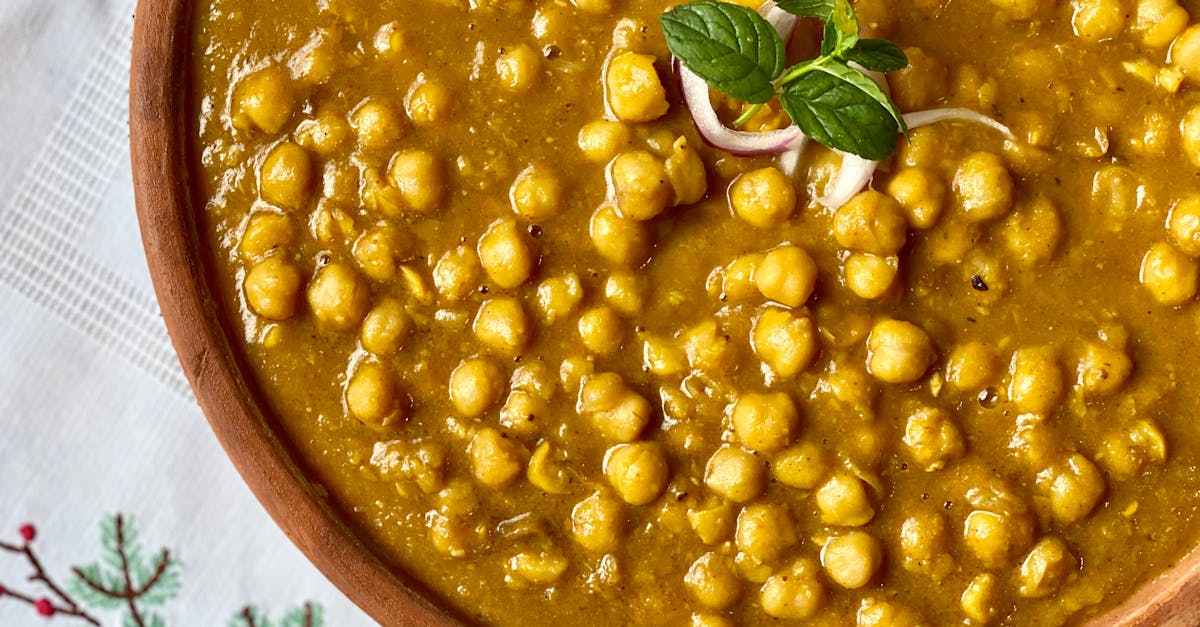
Chickpea (Chana, Kabuli and Desi) for export from India

Top export markets for Chickpea (Chana, Kabuli and Desi)

How to export Chickpea (Chana, Kabuli and Desi) from India

Obtain an IEC from DGFT and register with APEDA. Clean, grade and size the chickpeas (kabuli are graded by seed count per ounce or millimetre size; desi by colour and split content), then test for moisture, foreign matter and residues at an accredited lab. Arrange a phytosanitary certificate, fumigation certificate where required and certificate of origin. Use a confirmed Letter of Credit or advance and document grade and tolerances. Confirm current export policy, any duty or restriction and destination requirements on the DGFT, APEDA and FSSAI portals before shipping, as pulse trade policy can change.

Quality and standards buyers expect

Buyers grade kabuli chickpeas by seed size and count, colour and uniformity, and desi by colour and damage; all check moisture, splits, foreign matter, insect damage and residue limits. Get accredited-lab testing and confirm the destination's current MRLs on APEDA and FSSAI references.

Packaging

Food-grade woven polypropylene or jute bags around 25-50 kg, plus smaller retail packs for graded kabuli; container-load with moisture and pest protection, fumigated where required.

Demand and opportunity

Steady qualitative demand in the Middle East, North Africa, South Asia and diaspora markets for both large kabuli and desi types used in curries, snacks and besan. Note India is also a large chickpea importer in some years, so export availability and policy vary; verify current rules.

Common pitfalls and scams to avoid

Pulse import and export policy and duties change, so check DGFT before signing. Avoid fake buyers and advance-fee fraud, never prepay clearance charges, and prevent insect-damage or splits rejection by proper cleaning, sizing and fumigation.

Indicative HS code: Chapter 0713 (dried leguminous vegetables); chickpeas under 0713 20. Confirm the exact 8-digit code, current export policy, fees and MRLs on the official APEDA, under Ministry of Commerce; export policy via DGFT portal before you ship.

FAQs

How do I export Chickpea (Chana, Kabuli and Desi) from India?
Obtain an IEC from DGFT and register with APEDA. Clean, grade and size the chickpeas (kabuli are graded by seed count per ounce or millimetre size; desi by colour and split content), then test for moisture, foreign matter and residues at an accredited lab. Arrange a phytosanitary certificate, fumigation certificate where required and certificate of origin. Use a confirmed Letter of Credit or advance and document grade and tolerances. Confirm current export policy, any duty or restriction and destination requirements on the DGFT, APEDA and FSSAI portals before shipping, as pulse trade policy can change.
Which countries import Chickpea (Chana, Kabuli and Desi) from India?
Major destinations include United Arab Emirates, Algeria, Bangladesh, Pakistan, Sri Lanka, United States. Demand and import rules differ by country, so confirm the current requirements with your buyer and the destination food authority before shipping.
How do I find genuine Chickpea (Chana, Kabuli and Desi) export buyers and avoid scams?
Verify the buyer's company registration, insist on a secure payment route (a confirmed letter of credit or a verified advance), and never pay any "fee" to receive an order. Pulse import and export policy and duties change, so check DGFT before signing. Avoid fake buyers and advance-fee fraud, never prepay clearance charges, and prevent insect-damage or splits rejection by proper cleaning, sizing and fumigation. You can also submit your details below and our team will help connect you.
Free for farmers

Never miss a price or a deadline

Get free daily mandi prices, MSP changes, scheme cut-offs and weather alerts - and your own Kisan ID.

🔔

Free price & scheme alerts

Today's rates, MSP moves, scheme deadlines and weather - the moment they matter.

or on WhatsApp ↗
🪪

Your free Kisan ID

Join Bharat Annadata Sangh free - get a digital farmer ID card and free answers from our Krishi Team.

100% free · No spam · Prices from Agmarknet · Unsubscribe anytime