Woolly Aphid Control
Symptoms
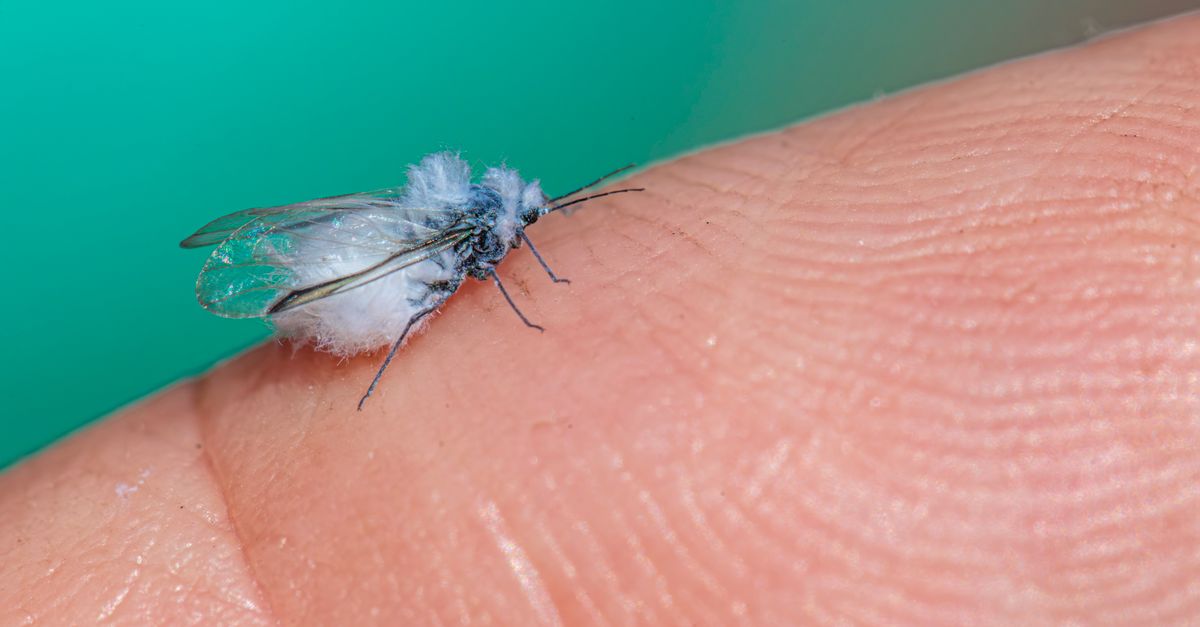
Look for white woolly cottony colonies of aphids on the underside of leaves along the midrib. Leaves turn yellow and dry, and a heavy sticky honeydew coats the foliage on which black sooty mould develops, blackening the crop. Severely affected fields look whitish below and blackened above with stunted, weak canes.
Damage
Sugarcane woolly aphid (Ceratovacuna lanigera) sucks large amounts of sap and excretes copious honeydew that promotes sooty mould, severely reducing photosynthesis. Heavy infestation lowers cane weight, juice quality and sugar recovery, and weakens the crop. It became a major pest in western and southern India after spreading from the northeast.
Organic & cultural control
Conserve and release the proven predators Dipha aphidivora and Micromus igorotus, along with the syrphid fly and ladybird beetles, which give excellent control. Remove and destroy heavily infested lower leaves by detrashing. Avoid broad spectrum sprays that kill these natural enemies, and avoid excess nitrogen and dense canopy.
Chemical control
Chemical sprays are discouraged because they kill the effective predators and rarely give lasting control, so biocontrol is the main strategy. Only in very severe early outbreaks may a recommended insecticide be used in spots as advised. Always read and follow the product label, observe the pre-harvest interval, and consult your KVK or a qualified agronomist before spraying.
Always follow the product label, the recommended pre-harvest interval, and your local KVK or agronomist. Pesticide approvals change, so verify before use.
Prevention
Use clean planting material and avoid carrying infested setts or trash to new fields. Detrash lower leaves regularly to remove colonies and improve air movement. Avoid excess nitrogen and dense planting, conserve and multiply Dipha and Micromus predators, and monitor leaf undersides so early colonies can be removed before they spread.
FAQs
Why is spraying not recommended for woolly aphid?
Which predators control sugarcane woolly aphid?
Does detrashing help against woolly aphid?
Get advice from farmers on your crop problem
Ask the community