
Tur Pod Fly Control
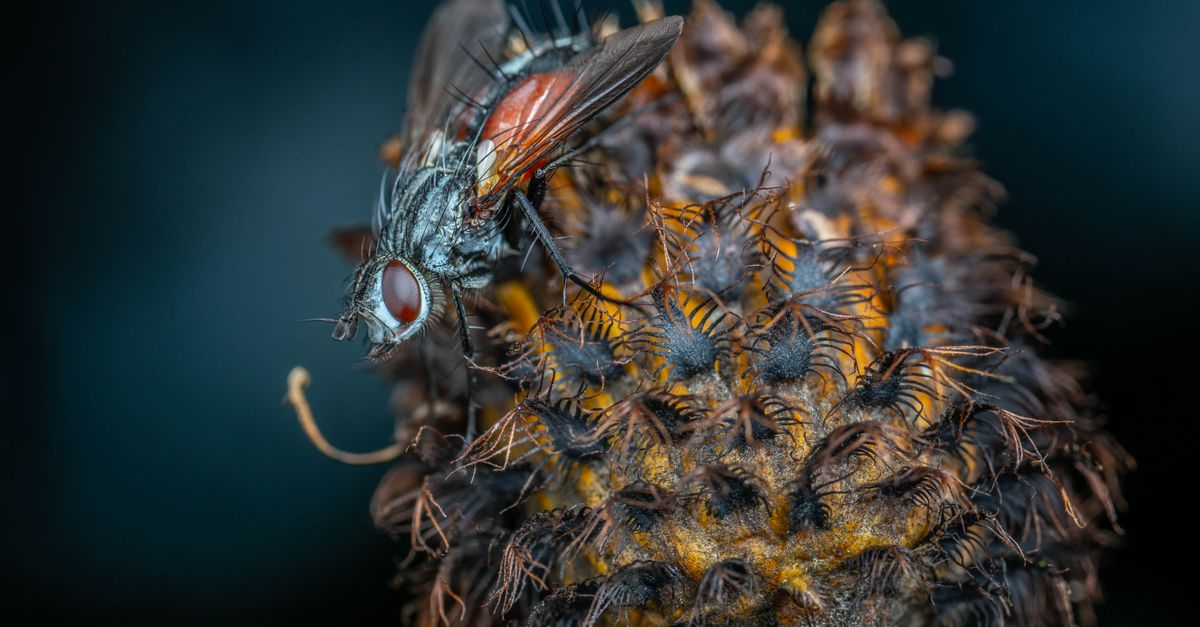
Symptoms
There are no visible holes from outside, which makes this pest deceptive. The tiny maggot feeds inside the pod and eats the developing grain, leaving it shrivelled, partly eaten or rotten. When the maggot matures it cuts a thin papery window in the pod wall through which the adult fly later escapes. Affected grains are discoloured, dwarfed and unfit for seed or sale.
Damage
Pod fly is a serious hidden pest of pigeonpea in south and central India, causing grain damage from 10 to 80 percent, and being most severe in long-duration and late maturing crops. Because the maggot stays inside the pod, the damage is noticed only at harvest when grains are found eaten or rotten.
Organic & cultural control
Cultural and biological methods are weak against this internal feeder, so prevention matters most. Grow short and medium duration varieties so the crop escapes the late pod fly build up. Remove and destroy stray and self-sown pigeonpea plants that act as a year round host. Neem oil sprays at flowering and early pod set may reduce egg laying. Encourage parasitoids such as Euderus and Ormyrus that attack pod fly maggots by avoiding broad-spectrum sprays early.
Chemical control
Because the maggot is protected inside the pod, sprays must target egg-laying adults and must start at flowering to early pod stage. Recommended actives include emamectin benzoate 5 SG, indoxacarb 14.5 SC, or dimethoate 30 EC, repeated as per advice at pod formation. Combining with a pod borer spray is common since both pests overlap. Always follow the product label for dose and pre-harvest interval and consult your KVK or an agronomist before use.
Always follow the product label, the recommended pre-harvest interval, and your local KVK or agronomist. Pesticide approvals change, so verify before use.
Prevention
Choose short to medium duration pigeonpea varieties as they largely escape pod fly. Sow at the recommended time and avoid very late sowing. Destroy ratoon and volunteer pigeonpea around fields and on bunds. Synchronise sowing in a village so that all crops flower and mature together, leaving no continuous host for the fly. Scout pods from flowering and act early.
FAQs
Why are there no holes on the pods even when grains are damaged by pod fly?
Which pigeonpea varieties suffer least from pod fly?
When should I spray for pod fly?
Get advice from farmers on your crop problem
Ask the community