
Best Fertilizer for Bottle Gourd in India
Bottle gourd (Lagenaria siceraria), called lauki or ghiya, is a warm-season vine that grows fast and fruits heavily over a long picking period, so it needs a rich soil and a steady, well-spl
Overview
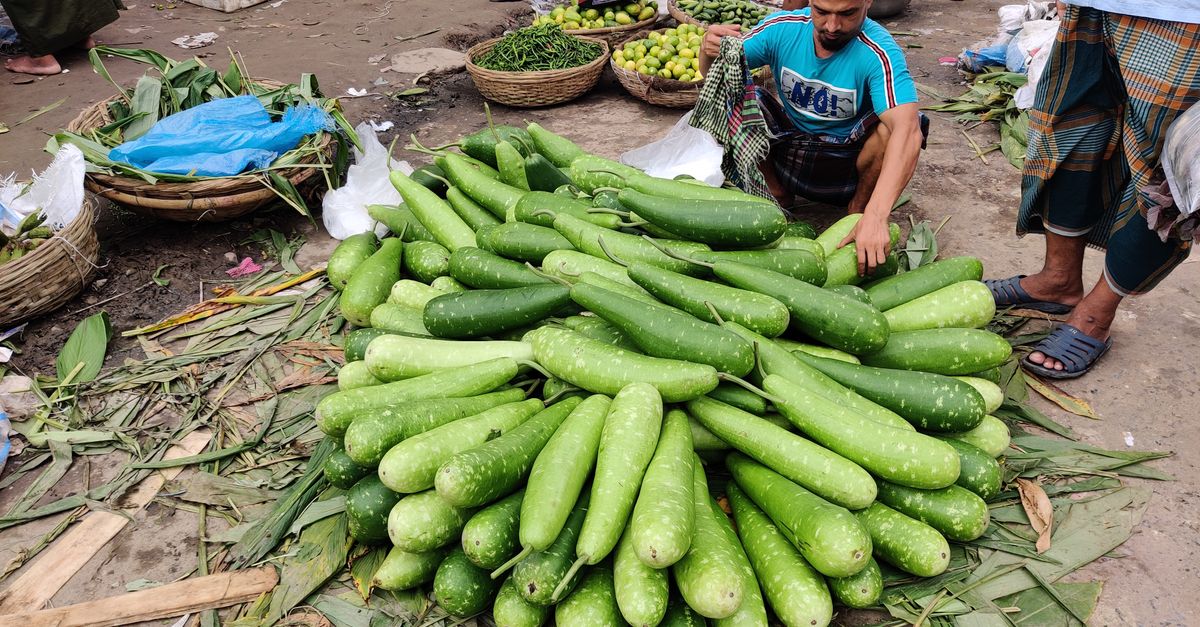
Bottle gourd (Lagenaria siceraria), called lauki or ghiya, is a warm-season vine that grows fast and fruits heavily over a long picking period, so it needs a rich soil and a steady, well-split nutrient supply. Strong vine growth early, followed by continuous flowering and fruiting, demands plenty of nitrogen for the canopy and high potash for fruit size and quality. A generous base of farmyard manure improves moisture holding and feeds the long crop slowly. Because bottle gourd is often grown on pits or beds along channels, placing nutrients near the root zone and splitting nitrogen through the season give the best results. Always base your fertiliser plan on a Soil Health Card soil test and confirm the exact dose with your local KVK, since soil fertility varies widely.
Recommended NPK dose for Bottle Gourd
A common recommendation is about 80 to 100 kg nitrogen, 40 to 50 kg phosphorus and 50 to 70 kg potash per hectare, which is roughly 32 to 40 kg N, 16 to 20 kg P and 20 to 28 kg K per acre, with farmyard manure at 20 to 25 tonnes per hectare. Where grown on pits, fertiliser is often given per pit alongside compost. These are general ranges; your real dose must come from a soil test. Confirm the final figures with your Soil Health Card and KVK before applying.
Application schedule
Apply the full phosphorus, full potash and half the nitrogen as a basal dose at sowing or transplanting, placed in the pits or beds. Give the remaining nitrogen in two split top dressings, the first at about 30 days after sowing when vines start running, and the second at about 50 days as flowering and fruiting begin, each followed by irrigation. In potash-poor soils, splitting potash too supports steady fruit size through the long picking period. Avoid heavy single doses, which burn roots and waste nutrients.
Organic & bio-fertilizers
Apply 20 to 25 tonnes of well-rotted farmyard manure or compost per hectare at field preparation, or mix a few kilograms of compost into each planting pit. Adding neem cake along with the basal manure both feeds the crop and helps deter soil pests. Biofertilisers such as Azospirillum, phosphate-solubilising bacteria and Pseudomonas improve nutrient supply and root health. A strong organic base holds moisture in the long, fruiting vine and supports a steady supply of potash and micronutrients for good fruit.
Micronutrients & deficiency signs
Bottle gourd benefits from boron and zinc in deficient soils. Boron supports flowering and fruit set, and its shortage causes flower drop, poor fruit set and cracked or corky fruit. Zinc deficiency shows as yellowing between veins on younger leaves and stunted vines, corrected with zinc sulphate. Magnesium and iron deficiencies cause yellowing leaves and can be eased with foliar sprays. A foliar boron spray at flowering can improve fruit set, but apply micronutrients only when a soil test confirms a shortage, as excess is harmful.
Tips & cautions
Do apply generous well-rotted FYM and split nitrogen across vine and fruiting stages. Do place fertiliser near the root zone in pits or beds. Do support vines on a trellis for clean, straight fruit. Don't give one heavy fertiliser dose, which burns roots. Don't use fresh manure or waterlog the field, as both cause root and fruit rot. Don't apply heavy nitrogen during fruiting, which gives leafy vines and fewer fruit. Always confirm your dose with the KVK.
These are general recommendations. For the exact dose, follow your Soil Health Card / soil test and local KVK, and avoid over-applying urea.
FAQs
How much fertiliser does bottle gourd need?
When should I top dress nitrogen in bottle gourd?
Why are bottle gourd flowers dropping without fruit?
Can I apply fertiliser per pit for bottle gourd?
Bottle Gourd pests & diseases
Get advice for your soil and crop
Ask farmers Bottle Gourd price Fertilizer stock