
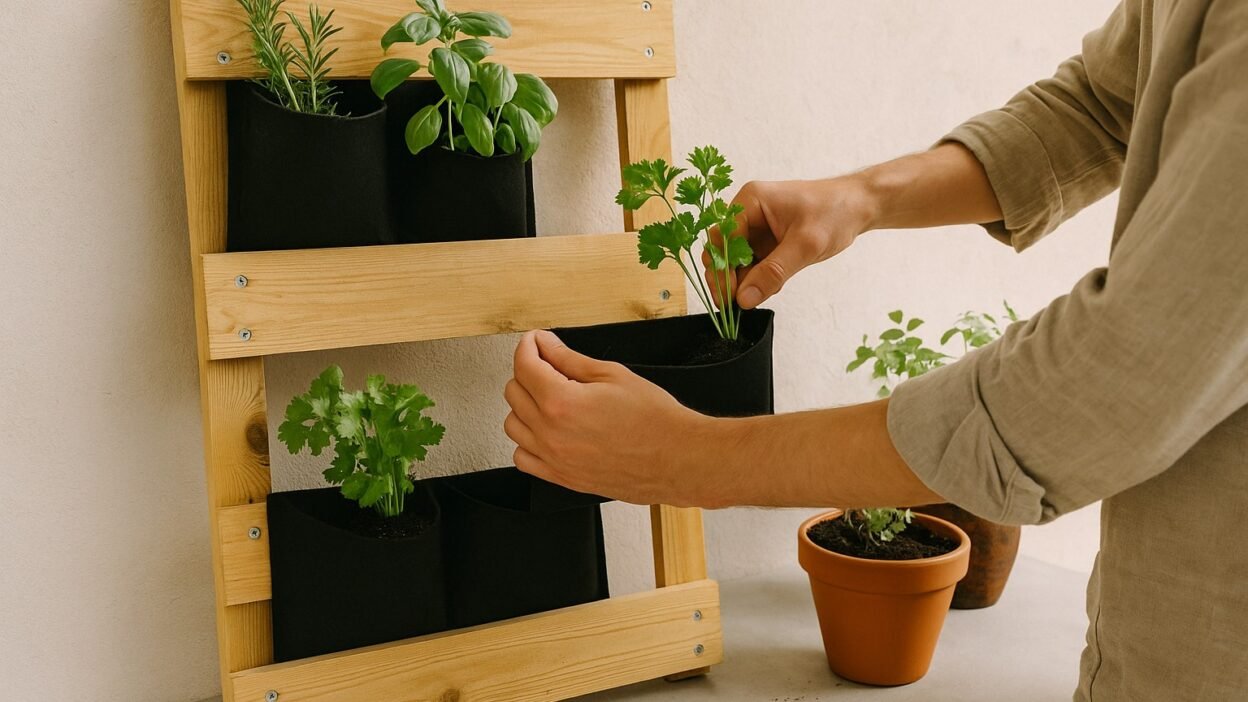
How to Build a Vertical Herb Garden at Home
Why Choose a Vertical Herb Garden?
A vertical herb garden is a smart and practical way to grow fresh herbs without taking up much space. Whether you live in a city apartment or have limited farmland, vertical gardening allows you to cultivate a variety of herbs right at your doorstep. For Indian farmers, this method is not only cost-effective but also ideal for small-scale, organic cultivation.
Benefits of Vertical Herb Gardens
- Utilizes vertical space efficiently
- Reduces water usage through tiered irrigation
- Minimizes weed and pest problems
- Easy to maintain and harvest
- Ideal for urban and semi-urban areas
Materials You Will Need
- Wooden pallets or metal racks
- Grow bags or plastic bottles
- Good quality potting soil
- Organic compost or cow dung
- Herb seeds or seedlings (e.g., coriander, tulsi, mint, ajwain)
- Drip irrigation kit (optional)
Step-by-Step Guide to Building Your Vertical Garden
1. Select the Right Location
Choose a wall or vertical surface that gets at least 4–6 hours of sunlight daily. A balcony, terrace, or a south-facing wall is ideal.
2. Prepare the Structure
- Use a wooden pallet, stack plastic bottles, or attach grow bags to a vertical rack.
- Ensure the structure is strong enough to hold soil and plants.
- Drill small holes at the bottom of each container for drainage.
3. Add Growing Medium
- Fill each container with a mix of potting soil and organic compost.
- Use a light and well-draining mix to avoid water retention and root diseases.
4. Sow and Plant Herbs
- Plant seeds or seedlings of herbs like tulsi, mint, coriander, curry leaves, and lemongrass.
- Label each herb for easy identification.
5. Maintain Your Vertical Garden
- Water regularly but avoid overwatering.
- Apply organic fertilizers like jeevamrut or panchagavya once a month.
- Prune herbs frequently to encourage new growth.
- Watch out for pests; use neem-based sprays if needed.
Tips for Better Yield
- Start with herbs that grow easily in your climate.
- Rotate crops every few months to replenish soil nutrients.
- Use mulching to retain soil moisture during hot weather.
Conclusion
Building a vertical herb garden is a wonderful way to enjoy fresh, chemical-free herbs all year round. It’s a sustainable and aesthetic solution perfect for small spaces.
Call to Action
Are you an Indian farmer or home grower looking to add more value with minimal investment? Start your own vertical herb garden today and boost your income with homegrown medicinal and culinary herbs. Share your progress and ideas in your local Krishi Vikas WhatsApp group and inspire others to grow green!