Profitable Zero-Budget Farms: Real-Life Success Stories
What is Zero-Budget Farming?
Zero-budget natural farming (ZBNF) is a method where farmers grow crops without using chemical fertilizers or pesticides and with minimal financial investment. The approach uses locally available resources like cow dung, urine, compost, and native seeds. Developed and promoted by Subhash Palekar, ZBNF is gaining popularity in India for its sustainability and cost-effectiveness.
Why Zero-Budget Farming Works
Zero-budget farming reduces input costs, enhances soil fertility, and improves crop resilience. By relying on nature-based practices, farmers can avoid debt and improve their livelihood.
Real Examples of Profitable Zero-Budget Farms in India
1. Babu Lal Sharma – Rajasthan
With just 2 acres of land near Kota, Babu Lal switched to zero-budget farming in 2017. Initially met with skepticism, he used Jeevamrutha (a natural microbial culture) and cow-based inputs. Today, he earns over ₹3 lakh annually growing vegetables, wheat, and mustard without spending on fertilizers or seeds.
- Uses native cow dung and urine to prepare fertilizers
- Saves over ₹25,000 annually in chemical inputs
- Markets produce locally under the organic tag
2. Kavitha Kuruganti – Andhra Pradesh
On her family’s ancestral land in Anantapur, activist-farmer Kavitha turned 5 barren acres into a thriving natural farm. By practicing intercropping and mulching, she grows groundnut, millets, and vegetables. Her profits reach ₹4-5 lakh per year, thanks to direct consumer sales and minimal input cost.
- Practices intercropping for soil health and income diversity
- Uses crop residues and cow-based bio-inputs
- Promotes farmer cooperatives for better market access
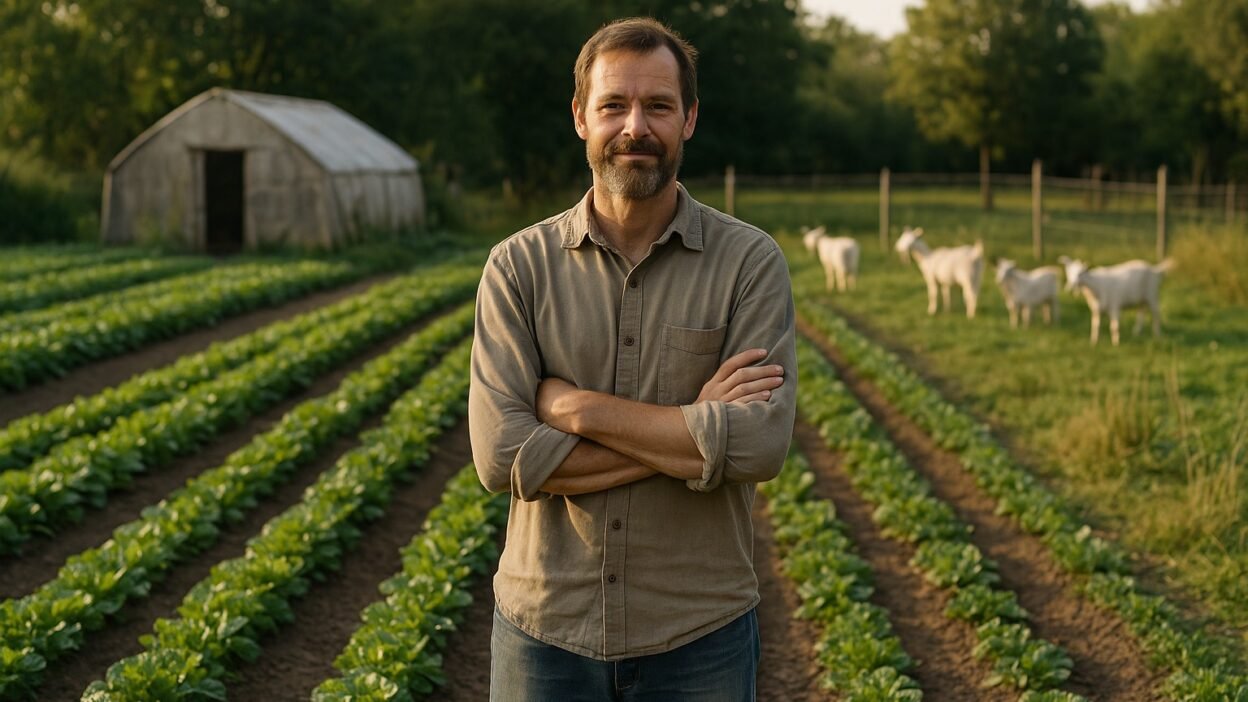
3. Suresh Deshmukh – Maharashtra
Suresh, a smallholder from Beed district, started zero-budget farming after facing losses from cotton cultivation. Now growing pulses, turmeric, and fodder grass, he earns a profit of ₹2 lakh on his 3-acre land. Water conservation techniques and usage of desi seeds helped him steer clear of expensive technology or chemicals.
- Adopted drip irrigation and rainwater harvesting
- Collects and uses native seeds each year
- Rotates crops annually to maintain soil fertility
Key Practices Behind Their Success
- Application of Jeevamrutha, Bijamrita, and mulching
- Use of native seeds and local cattle inputs
- Diversified cropping systems
- Natural pest control with neem, garlic, and chili sprays
- Community-based distribution and direct-to-consumer sales
Conclusion: You Can Do It Too!
These inspiring stories show that with knowledge, patience, and natural inputs, farming can be both sustainable and profitable—even without big investments.
Start Your Zero-Budget Journey Today
If you’re an Indian farmer tired of rising costs and falling yields, zero-budget farming can be your path to profitability. Start small—use local cow dung, plant native seeds, and adopt natural pest control. Reach out to local farming groups or government Krishi Vigyan Kendras for free training sessions.
Call To Action: Ready to transform your farm without spending extra? Connect with your local agricultural officer or join a zero-budget farming workshop today!