
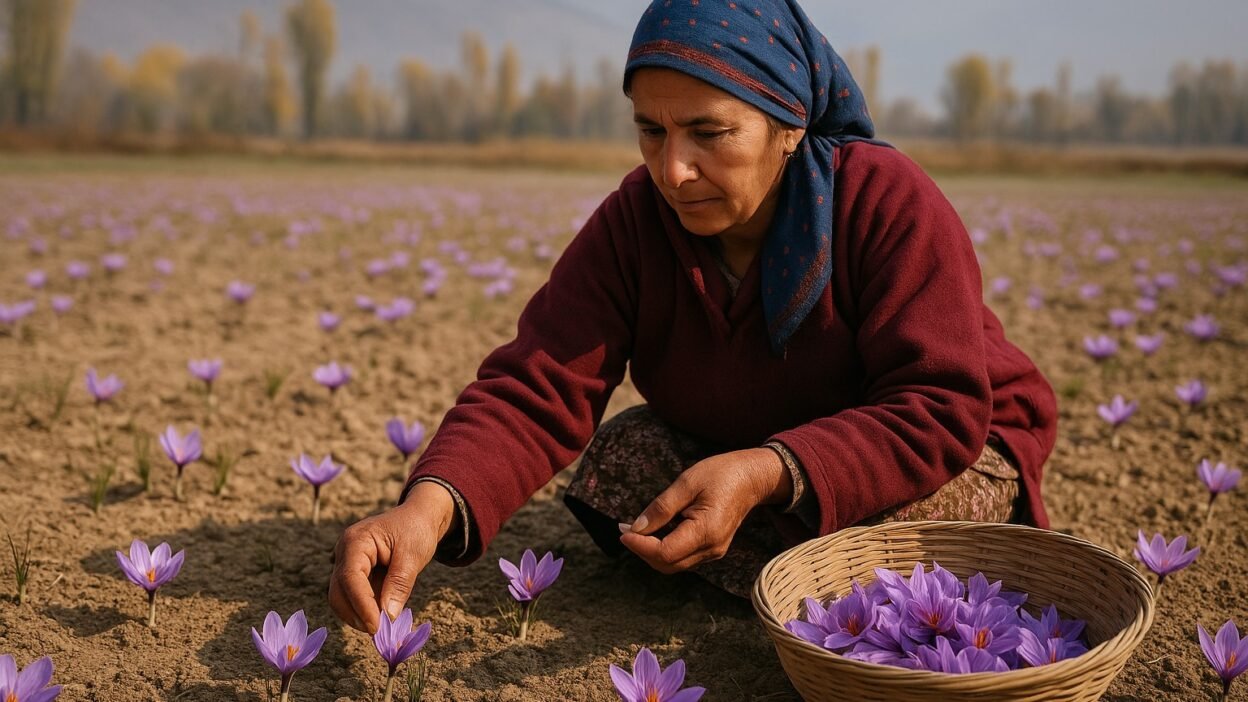
Saffron Cultivation in Kashmir: A Profitable Farming Guide
Why Grow Saffron in Kashmir?
Kashmir is India’s saffron heartland, known for producing the world’s most aromatic and high-quality saffron threads. The region’s unique climate and well-drained loamy soil make it ideal for saffron cultivation. With growing demand and premium market rates, saffron farming presents a golden opportunity for local farmers.
Ideal Conditions for Saffron Farming
To get the best results from your saffron crop, it’s important to understand the right growing conditions:
- Climate: Cold winters and dry summers are best
- Soil: Sandy or loamy soil with good drainage and pH between 6 and 8
- Altitude: Ideal elevation is 1,600–2,000 meters above sea level
- Sunlight: Requires plenty of sunlight and a dry flowering period
Step-by-Step Guide to Saffron Cultivation
1. Land Preparation
Clear the field of stones and weeds. Plough the land 2–3 times to achieve fine tilth. Add organic compost to enrich the soil.
2. Selection of Quality Corms
Use healthy, disease-free saffron corms that weigh at least 8–10 grams each. Certified seeds ensure better yield and quality.
3. Planting Time & Method
When to Plant: Mid-July to early September is ideal in Kashmir.
How to Plant:
- Plant corms 10–15 cm deep and 10 cm apart in rows spaced 20 cm
- Ensure proper drainage to prevent rotting
- Use mulching to retain moisture and reduce weed growth
4. Irrigation and Care
Saffron needs minimal water. Avoid overwatering. Irrigate lightly just before flowering if the weather remains too dry.
Additional tips:
- Remove weeds regularly
- Do not apply excessive fertilizers
- Protect from rodents and fungal infections with organic methods
Harvesting and Post-Harvest Handling
When to Harvest
Harvesting begins in late October or early November. Flowers bloom in the early morning and wilt by midday, so timely picking is crucial.
How to Harvest
- Pick flowers early in the morning
- Gently remove the stigmas (red threads)
- Dry the threads in shade or on dehydrators without direct sunlight
Profitability and Market Demand
High-quality saffron fetches up to ₹2–3 lakhs per kilogram. Though initial investment in seeds is high, continuous yields for 3–5 years make it cost-effective.
Selling avenues:
- Local mandis
- Online spice retailers
- Export through government-supported channels
- Direct-to-consumer packaging
Government Support & Subsidies
Under the National Saffron Mission, the government supports farmers with:
- Subsidies on saffron corms
- Technical training and assistance
- Improved irrigation technology
Contact your local Krishi Vigyan Kendra (KVK) for eligibility and application.
Final Thoughts
Saffron cultivation in Kashmir is not just a tradition—it’s a lucrative livelihood that can transform small-scale farming. With low water needs, strong market value, and government support, it offers a smart diversification strategy for progressive farmers.
Call to Action
Are you a farmer in Kashmir looking to start or scale saffron cultivation? Reach out to your district agriculture office or Krishi Vigyan Kendra (KVK) today to get expert guidance, quality corms, and join the mission to revive Kashmiri saffron farming profitably!