How India Is Shifting to Climate-Smart Farming
India’s Growing Need for Climate-Smart Agriculture
Climate change is no longer a distant threat for Indian farmers. Unpredictable monsoons, temperature rises, and extreme weather events like droughts and floods are affecting crop productivity and livelihoods. To combat these challenges, India is undergoing a farming transformation—shifting toward climate-smart agriculture (CSA).
What Is Climate-Smart Farming?
Climate-smart farming is an integrative approach to managing farms that:
- Increases agricultural productivity and incomes
- Reduces greenhouse gas emissions from farming
- Improves resilience to climate variability and change
The goal is not only sustainability, but also equipping farmers with tools and practices that ensure long-term food security and profitability.
Key Strategies India Is Using
India’s shift to climate-smart agriculture centers around practical and scalable solutions:
1. Promoting Sustainable Farming Practices
- Zero Budget Natural Farming (ZBNF): Encouraged in states like Andhra Pradesh, ZBNF reduces dependency on chemical inputs.
- Crop Diversification: Farmers are being trained to grow multiple crops to reduce risk from market or climate shocks.
- Agroforestry: Integrating trees with crops to boost biodiversity and soil health.
2. Water-Efficient Irrigation Systems
- Drip and sprinkler irrigation: Supported through PMKSY (Pradhan Mantri Krishi Sinchayee Yojana), reduces water wastage.
- Micro-irrigation subsidies: Help small and marginal farmers afford water-saving technologies.
3. Climate-Resilient Crop Varieties
- Drought and flood-tolerant seeds developed by ICAR and seed companies improve productivity under stress.
- Short-duration crops minimize risk from delayed monsoons or early frost.
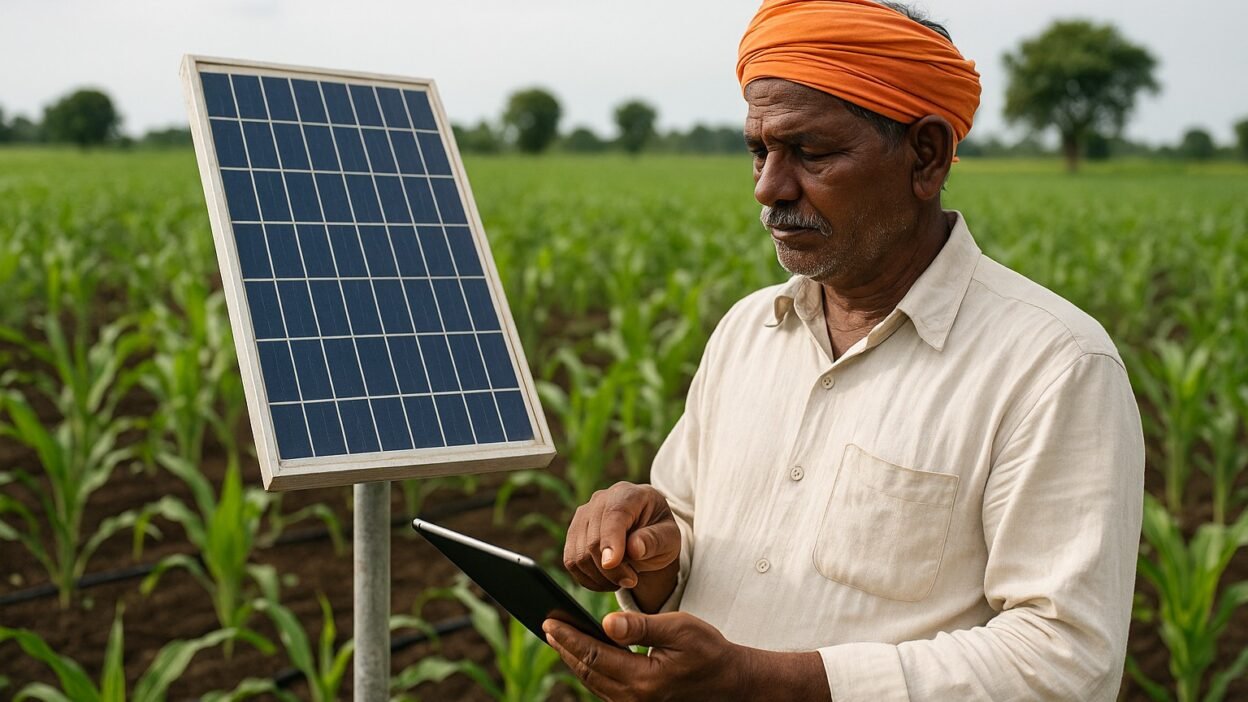
4. Use of Agri-Tech and Weather Intelligence
- Mobile advisory services: Like Kisan Suvidha, offering location-specific farm advice.
- Remote sensing and AI tools: Help monitor soil health, predict pests, and advise on sowing times.
5. Government Policies Supporting CSA
- National Mission on Sustainable Agriculture (NMSA): Promotes integrated farming and climate risk management.
- Soil Health Cards: Inform farmers about needed nutrients and reduce overuse of fertilizers.
Real-Life Success Stories
In Maharashtra’s Marathwada region, farmers adopting drip-irrigated, short-cycle pulses have doubled productivity even during dry spells. In Punjab, crop residue management combined with subsidized machinery has lowered air pollution and improved soil yield. These examples show CSA isn’t theory—it’s practical and profitable.
Benefits of Climate-Smart Farming
- Higher and more stable crop yields
- Water and input cost savings
- Better resilience to adverse weather
- Increased long-term income
Call-to-Action: Start Your Climate-Smart Journey Today
If you’re a farmer in India, adopting climate-smart practices can secure your farm’s future. Visit your local Krishi Vigyan Kendra (KVK) or agricultural office to learn about CSA training programs, seed availability, irrigation subsidies, and government schemes. With support and knowledge, you can make your farm more resilient, productive, and climate-friendly.
Stay updated. Stay sustainable. Embrace climate-smart farming for a better tomorrow!