
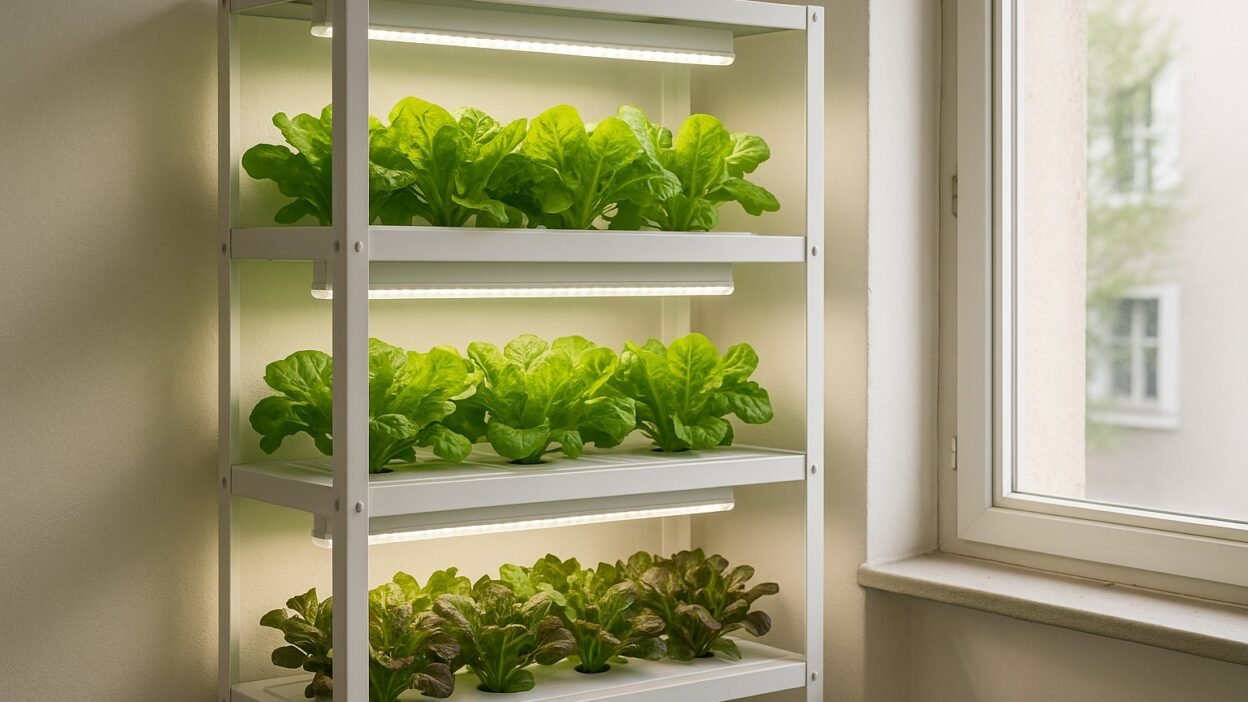
Vertical Farming in Small Spaces: Grow More in Less Area
What Is Vertical Farming?
Vertical farming is a modern agricultural method of growing crops in stacked layers or vertically inclined surfaces. Unlike traditional farming, which requires large plots of land, vertical farming allows farmers to cultivate crops upward, making the most of limited space—all while conserving resources.
Why Vertical Farming Works for Small Spaces
Whether you’re in a small town or an urban area, space constraints can limit your farming potential. Vertical farming offers key benefits:
- Space Saving: Grow in layers on walls, shelves, or racks.
- Water Efficiency: Use hydroponics or drip systems that reduce water usage by up to 90%.
- Year-Round Production: Controlled environments help grow crops in any season.
- Low Maintenance: Fewer weeds, pests, and diseases when grown indoors or semi-indoor.
- Higher Yield: Grow more per square foot compared to traditional methods.
Popular Crops for Vertical Farming
Some crops grow particularly well in vertical systems:
- Leafy greens (spinach, lettuce, coriander)
- Herbs (mint, basil, tulsi)
- Strawberries
- Tomatoes (with vertical supports)
- Chillies and capsicum
Basic Setup You Need
Starting vertical farming doesn’t require heavy investment. Here’s what you need:
- Vertical structure: Wooden, metal, or plastic racks or wall planters
- Growing medium: Soil, cocopeat, or hydroponic substrates
- Watering system: Manual watering, drip irrigation, or hydroponics
- Light source: Natural sunlight or LED grow lights for indoor setups
Estimated Cost in India
For a basic balcony or rooftop vertical setup (10×10 feet), the cost ranges from ₹5,000–₹20,000 depending on materials and automation. Hydroponic systems may cost more initially but save on long-term water and labor.
Tips for Successful Vertical Farming
- Start with easy-to-grow crops like mint, spinach, or lettuce.
- Ensure even light and water distribution on all levels.
- Rotate crops to avoid nutrient depletion.
- Keep the structure stable and safe from winds or animals.
Challenges to Consider
Though beneficial, vertical farming also has some challenges:
- Initial setup cost might be high for commercial scale.
- Requires basic knowledge of water management and plant nutrition.
- More attention needed for indoor pest control and ventilation.
Case Study: A Rooftop Farmer in Mumbai
Ravi Patil, a small-scale farmer in Mumbai, converted his 200 sq. ft. rooftop into a vertical farm that supplies fresh greens to a local kirana store. With a one-time investment of ₹15,000, he earns ₹3,000–₹5,000 per month and has recouped his costs within 4–5 months.
Conclusion: Make the Most of Your Space
With land prices rising and urban space shrinking, vertical farming is a smart and sustainable way to grow food. Whether you’re a farmer with a small plot or an urban grower with a balcony, vertical farming opens the door to fresh produce, higher income, and environmental sustainability.
Ready to Start Your Own Vertical Farm?
Contact your local Krishi Vigyan Kendra (KVK) or join digital farmer groups on WhatsApp and Facebook to learn more about affordable vertical farming models suited for your region. Take the first step towards higher profits and smarter agriculture today!