Women’s Role in Organic Farming in India
Introduction
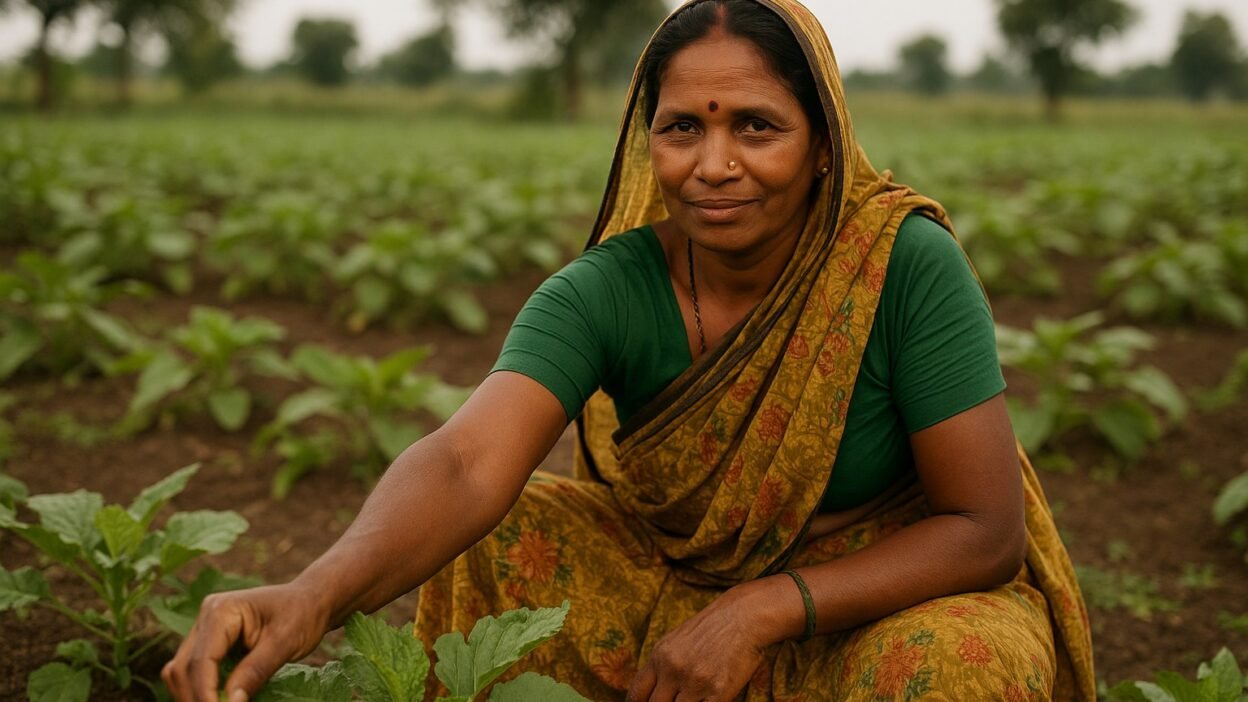
Organic farming in India has experienced rapid growth due to increasing awareness about health, environment, and sustainability. At the heart of this green revolution are Indian women—playing critical roles in transforming agriculture through traditional knowledge, eco-friendly practices, and community engagement.
The Backbone of Organic Agriculture
Women contribute significantly to all stages of organic farming. From seed preservation to soil management and marketing of produce, their role is diverse and impactful.
- Seed Conservation: Women often preserve native seeds, promoting biodiversity and preserving India’s genetic heritage.
- Composting and Natural Inputs: Women prepare organic fertilizers and bio-pesticides using cow dung, neem leaves, and kitchen waste.
- Weeding and Soil Care: Hands-on activities like weeding and mulching are typically managed by women, ensuring healthy crops without chemical inputs.
Empowering Rural Economies
Organized into Self-Help Groups (SHGs), women farmers are leading local movements toward self-reliance. In states like Kerala, Maharashtra, and Sikkim, women’s cooperatives are actively involved in:
- Training and knowledge exchange
- Organic certification assistance
- Market linkages and direct-to-consumer models
Success Stories from the Field
Stories of female-led organic farming initiatives are cropping up across India:
- Sikkim: Women play a central role in the state’s 100% organic agriculture model.
- Maharashtra: Female farmers in Vidarbha have adopted collective organic farming to reduce input costs and increase income.
- Andhra Pradesh: Women SHGs promote Zero Budget Natural Farming (ZBNF), improving crop yields without harming the environment.
Challenges They Face
Despite their contributions, women farmers face multiple hurdles:
- Lack of access to land ownership and credit
- Limited training in organic certification processes
- Underrepresentation in agricultural policymaking
Addressing these challenges through gender-sensitive policies, capacity building, and financial inclusivity is key to scaling organic success.
Moving Toward a Greener Future
Women are not just laborers in organic farming—they are innovators, leaders, and change-makers. With adequate support, women can take India’s organic farming revolution to new heights.
Call to Action
If you are a woman farmer or support female agricultural workers, now is the time to join the organic movement. Connect with local Self-Help Groups, attend training from government agencies like KVK (Krishi Vigyan Kendra), and explore certification schemes such as PGS-India. Together, let’s cultivate healthier crops, better livelihoods, and a greener India!