Empowering Female Farmers in India for a Brighter Future
The Vital Role of Women in Indian Agriculture
In India, nearly 80% of rural women are involved in agriculture, yet only about 13% of them own land. Female farmers play a critical role in sowing, harvesting, and managing small farms, but their contribution often goes unrecognized.
Challenges Faced by Women in Agriculture
Despite their integral role, female farmers face a range of obstacles that limit their productivity and economic independence:
- Lack of land ownership: Restricts access to credit, subsidies, and government schemes.
- Limited access to education and extension services: Hinders adoption of new techniques and crop diversification.
- Gender wage gap: Women earn significantly less for the same agricultural work.
- Heavy workload: Balancing farming with domestic responsibilities leads to fatigue and limited mobility.
Strategies for Empowering Female Farmers
Empowering female farmers involves targeted, inclusive interventions. Here’s how we can support them:
- Ensure land rights: Legal support and awareness campaigns to promote property ownership among women.
- Access to credit and subsidies: Women-friendly banking policies and easy enrollment in government schemes like PM-KISAN.
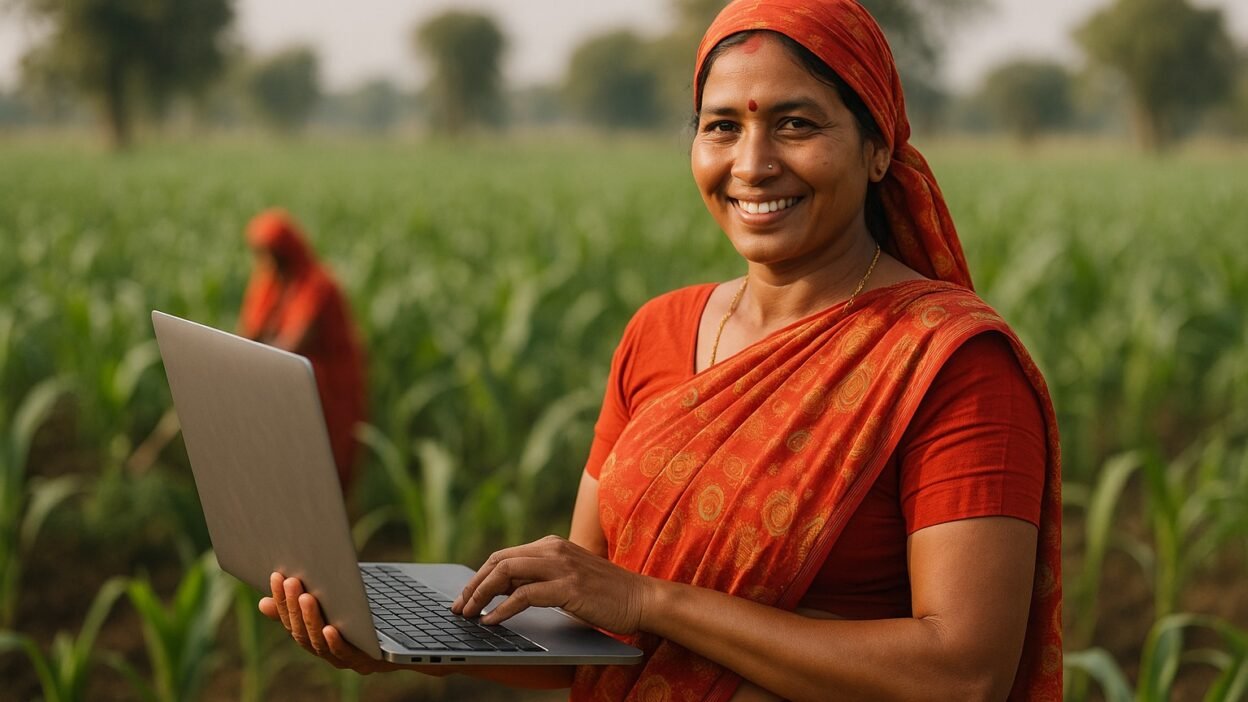
- Training and education: Agriculture extension services tailored for women, including mobile-based learning and local workshops.
- Forming women’s self-help groups: Encourages savings, collective bargaining, and cooperative farming.
- Providing mechanization support: Tools and technologies that reduce manual labor and increase efficiency.
Success Stories Across India
From Odisha to Maharashtra, women’s self-help groups and farming cooperatives are transforming lives. In Andhra Pradesh, women-led Farmer Producer Organizations (FPOs) are thriving with better market access and shared resources. These examples show that when women are empowered, entire communities benefit.
How Communities and Policymakers Can Help
Stakeholders at every level—from panchayats to state governments—can help advance gender equality in farming. Some steps include:
- Incorporating gender policies in agriculture programs
- Monitoring and evaluating the impact of women-centric initiatives
- Encouraging public-private partnerships focused on inclusive rural development
Conclusion: A Path Toward Sustainable Agriculture
Empowering female farmers is not just about social justice—it’s about unlocking the full potential of Indian agriculture. Women bring innovation, resilience, and deep-rooted knowledge to the fields. With the right tools and policies, they can drive the future of farming in India.
Call to Action
Are you a female farmer or know one? Explore government schemes, join a local SHG, or reach out to your Krishi Vigyan Kendra for training opportunities. Together, let’s grow India sustainably—one empowered woman at a time.