How to Create a Natural Fence Using Plants
A natural fence made from live plants not only defines your farm boundaries but also enhances biodiversity, protects crops, and improves soil health. For Indian farmers, it’s a sustainable and cost-effective alternative to barbed wire or concrete walls.
Why Choose a Natural Fence?
Plant-based fencing offers many advantages over traditional fencing:
- Cost-effective: Requires less initial investment compared to concrete or metal fences.
- Eco-friendly: Helps enrich the soil and support local ecosystems.
- Low maintenance: Once established, natural fences need minimal care.
- Multi-purpose: Provides windbreaks, controls soil erosion, and offers habitat for beneficial insects and birds.
Best Plants for Natural Fencing in India
Choose plants based on your region, climate, and fencing needs (such as livestock control, privacy, or protection). Here are some farmer-approved options:
1. Gliricidia sepium
- Fast-growing and nitrogen-fixing
- Good for soil enrichment and fencing
2. Jatropha curcas (Ratanjyot)
- Drought-tolerant and grows quickly
- Good for dry areas and livestock deterrence
3. Agave
- Thorny and sturdy
- Great for preventing cattle or trespassers
4. Subabul (Leucaena leucocephala)
- Excellent for fodder and fencing
- Fast-growing and soil-friendly
5. Bamboo
- Works well for live hedges and windbreaks
- Durable and adaptable to many climates
How to Plant a Natural Fence
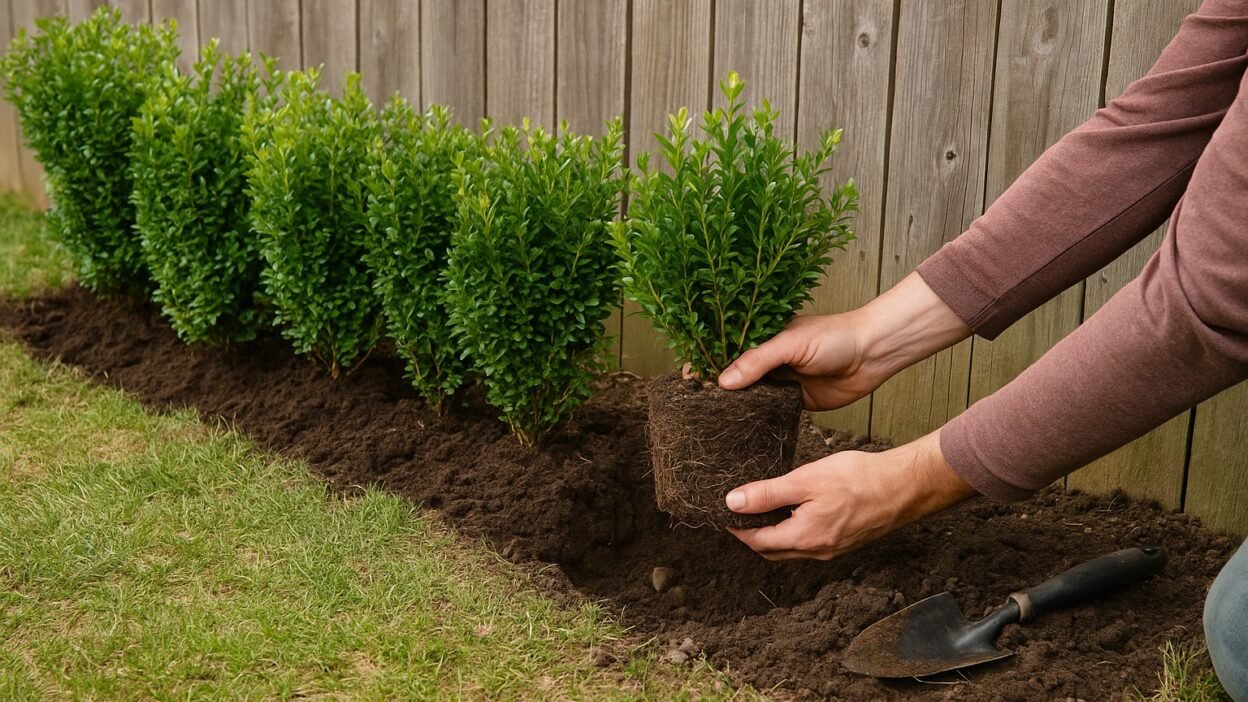
- Select the right plant species depending on your soil type, rainfall, and purpose.
- Prepare the boundary line by removing weeds and tilling lightly.
- Space plants correctly (typically 1–2 feet apart) for thick coverage.
- Water regularly in the initial stages until plants are established.
- Prune occasionally to maintain shape and encourage bushy growth.
Additional Tips for Success
- Mix multiple species for stronger protection and biodiversity.
- Incorporate flowering plants like hibiscus or bougainvillea for added beauty.
- Use natural fertilizers like compost or cow dung to support growth.
Call to Action
Dear farmers, if you’re looking for a reliable, eco-friendly way to protect your land, consider planting a natural fence using local species. Start today by choosing the right plants from your local nursery or extension office. It’s time to grow green, save money, and build a better future for your farm!