
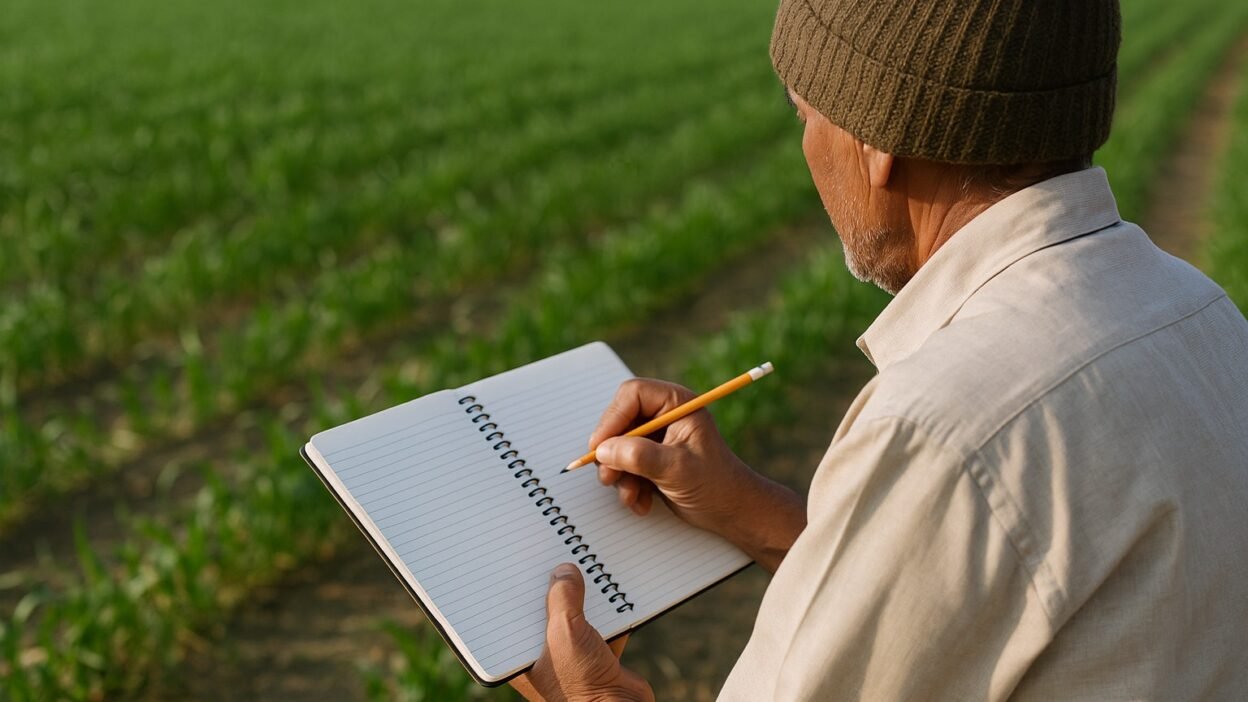
Winter Crops: Planning Your Rabi Season Right
What is the Rabi Season?
Rabi season, also known as the winter cropping season in India, starts around October and continues through March or April. These crops are sown after the monsoon ends and harvested in spring. Planning wisely during this time is crucial to achieving high yields and ensuring food security.
Top Rabi Crops to Cultivate in India
Here are some of the most profitable and widely grown winter crops in India:
- Wheat: India’s staple Rabi crop, particularly suitable for North India with well-drained loamy soil.
- Barley: Known for drought resistance, it’s a good option where water is limited.
- Mustard: A popular oilseed, requiring minimal irrigation and generating good returns.
- Gram (Chana): A key pulse crop rich in protein, suitable for semi-arid zones.
- Peas: Easy to grow and profitable in cooler climates.
Soil and Land Preparation
Proper soil preparation sets the foundation for a healthy crop. Follow these steps:
- Plough the field deeply after harvesting the Kharif crop to loosen the soil.
- Level the land to help with uniform irrigation and seed distribution.
- Add well-decomposed organic manure to improve fertility.
- Test the soil and apply fertilizers based on soil nutrient requirements.
Seed Selection and Sowing Tips
Seed quality directly affects yield. Use certified seeds from trusted sources. Tips for sowing:
- Select pest-resistant and high-yielding varieties.
- Ensure the seed rate is appropriate for each crop.
- Maintain proper depth and spacing to avoid overcrowding.
- Use seed treatment methods to prevent early-stage fungal infections.
Irrigation and Crop Management
Unlike Kharif crops, Rabi crops depend on irrigation. Plan water usage wisely:
- Irrigate during critical growth stages: germination, flowering, and grain formation.
- Use drip or sprinkler systems wherever possible to conserve water.
- Control weeds early to reduce competition for resources.
- Monitor for pest infestations and apply eco-friendly solutions.
Harvesting and Post-Harvest Tips
Timely harvesting ensures better market value and reduces post-harvest losses:
- Harvest when grains are fully mature and dry.
- Use mechanical tools for efficient handling and reduced labor costs.
- Store grains in cool, dry places to avoid spoilage.
- Sell through regulated markets for fair prices or consider direct farm-to-market channels.
Conclusion: Maximize Your Rabi Season
With better planning and smart farming techniques, the Rabi season can become a significant source of income and food security for your family. Choose the right crops, prepare your land, and manage your resources efficiently to reap the full benefits this winter.
Call to Action for Indian Farmers
Ready to boost your winter harvest? Contact your local Krishi Vigyan Kendra (KVK) or agriculture extension officer today for help with seeds, soil testing, and subsidies. Let’s grow more this Rabi season—together!