Complete Guide to Polyhouse Farming in India
What is Polyhouse Farming?
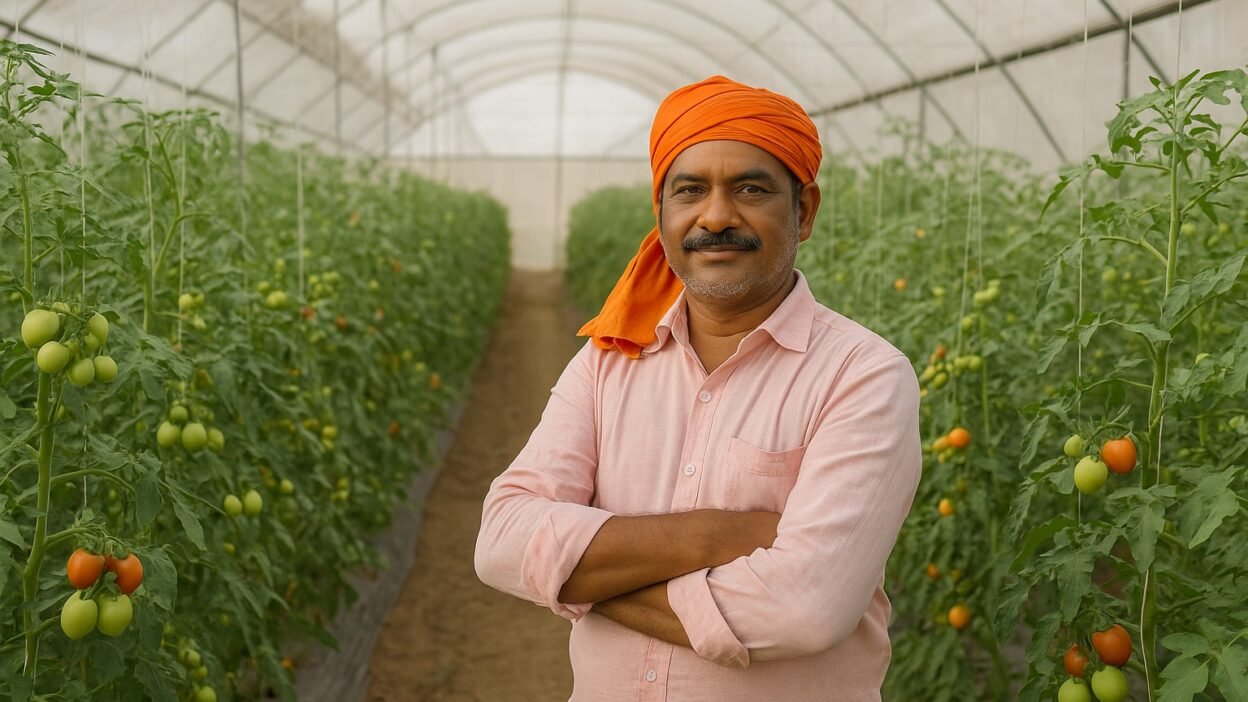
Polyhouse farming is a type of greenhouse farming where crops are grown in a controlled environment covered by polyethylene. This method shields plants from extreme climate conditions, pests, and diseases, allowing year-round cultivation and better yield.
Benefits of Polyhouse Farming
- Enables off-season farming and multiple crop cycles
- Provides protection from harsh weather and pests
- Increases crop yield by 3 to 5 times compared to traditional farming
- Reduces pesticide use, leading to healthier produce
- Efficient use of water through drip irrigation
Common Crops Grown in Polyhouses
Indian farmers have successfully grown several high-value crops using polyhouse methods, including:
- Tomato
- Capsicum (Bell Pepper)
- Cucumber
- Strawberries
- Gerbera and Rose (for floriculture)
- Lettuce and herbs like basil
Setting Up a Polyhouse in India
Choosing the Location
Select a site with good road access, consistent water supply, and proper drainage. Avoid low-lying flood-prone areas.
Structure and Design
Polyhouses can be either naturally ventilated or climate-controlled. Naturally ventilated ones are more popular among small and medium farmers due to lower costs.
Cost of Construction
The approximate cost ranges from ₹700 to ₹1,500 per square meter depending on the structure type and materials used. Government subsidies can offset up to 50-60% of this cost (conditions apply).
Government Subsidies and Support
Under schemes like MIDH (Mission for Integrated Development of Horticulture) and state-level programs, eligible farmers can avail of subsidies for polyhouse construction, drip irrigation, and planting materials.
To apply, contact your District Horticulture Office or visit the official MIDH website.
Tips for Success in Polyhouse Farming
- Start small and expand once you gain experience
- Choose crops based on market demand and local climate
- Invest in quality seeds and disease-resistant varieties
- Implement regular pest and disease monitoring
- Get training from reputed agricultural institutions
Challenges to Be Aware Of
Be prepared to face challenges like high initial investment, technical knowledge requirements, and operational maintenance. However, with proper planning and training, these can be successfully managed.
Conclusion
Polyhouse farming is transforming agriculture in India by boosting farmer incomes and reducing dependency on unpredictable weather. With the right guidance and support, both small and large-scale farmers can make this venture highly profitable.
Ready to Start Your Polyhouse Journey?
Take the first step today — contact your local horticulture office to check eligibility for subsidies and enroll in a training program. Empower your farm with smart, profitable polyhouse techniques.