
Traps & Companion Planting for Pest Control
Why Natural Pest Control Matters
Excessive use of chemical pesticides can damage soil health, harm beneficial insects, and increase production costs. Natural methods like traps and companion planting help manage pests sustainably while protecting crop yield and the environment.
Common Farm Pests in India
- Whiteflies
- Fruit borers
- Aphids
- Leaf miners
- Mealybugs
Using Traps for Insect Management
Traps are simple, affordable ways to monitor and reduce pest populations in your fields. Here are popular types suitable for Indian farms:
1. Sticky Traps
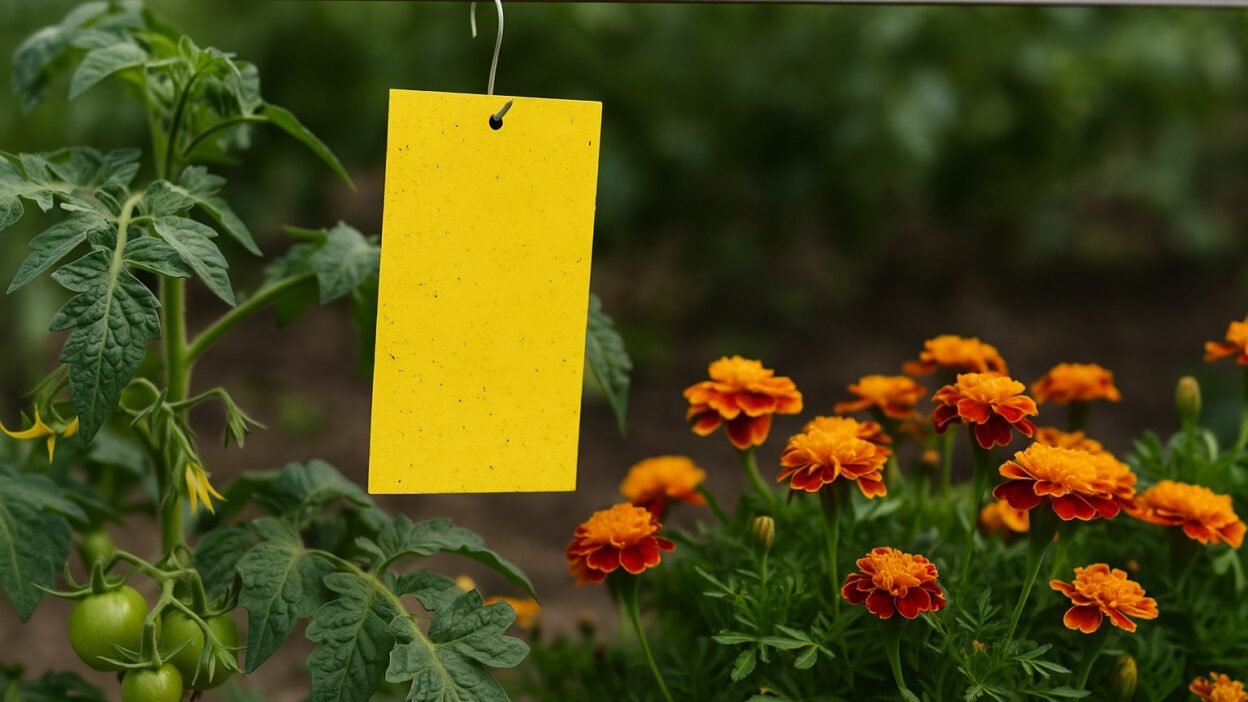
- Yellow and blue sticky cards attract whiteflies, aphids, and thrips.
- Place 5–6 traps per acre near crop canopy.
2. Pheromone Traps
- Lure male pests like bollworms and fruit borers.
- Help in breaking pest breeding cycles.
- Use 8–10 traps per hectare at crop-specific heights.
3. Light Traps
- Attract nocturnal pests like moths and beetles.
- Use dusk to dawn during peak infestation periods.
What Is Companion Planting?
Companion planting involves growing different plants together so that one supports the other. Certain plants repel harmful pests or attract beneficial insects that act as natural predators.
Effective Companion Plants for Indian Crops
1. Marigold (Tagetes spp.)
- Repels nematodes and aphids.
- Ideal for tomato, brinjal, and chilli fields.
2. Basil and Mint
- Strong aroma deters whiteflies and mosquitoes.
- Best planted around cabbage, okra, and beans.
3. Sunflower
- Acts as a trap crop for aphids and ants.
- Can also host ladybugs, a beneficial predator insect.
4. Garlic and Onion
- Repel pests due to sulfur compounds.
- Intercrop with carrots, lettuce, and spinach.
Tips to Implement These Techniques
- Combine both traps and companion plants for maximum pest control.
- Observe regularly and replace sticky or pheromone traps as needed.
- Choose native companion plants to ensure compatibility with local climate.
Final Thoughts
Adopting eco-friendly pest control methods like traps and companion planting can reduce chemical inputs, improve yield, and support long-term farm health.
Take Action Today
Are you a farmer looking to protect your crops the smart and natural way? Start using traps and companion planting on your farm this season. For expert guidance and access to affordable materials, connect with your local Krishi Vigyan Kendra or agriculture extension office.
Let nature work for you—grow more with fewer chemicals!