Improve Clay-Heavy Soil Naturally for Better Harvests
Understanding Clay-Heavy Soil
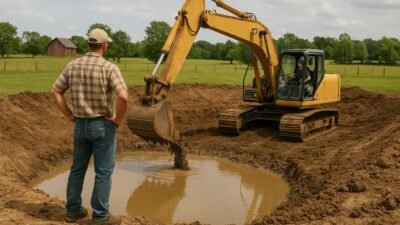
Clay-heavy soil is common in many parts of India. It is rich in nutrients but suffers from poor drainage, compaction, and low air circulation. This leads to slow plant growth, root rot, and reduced yields. Thankfully, there are natural and cost-effective ways to improve its structure.
Why Improve Clay Soil Naturally?
Natural methods are safer, sustainable, and often more affordable for small and medium Indian farmers. They support long-term soil health without relying on expensive chemical inputs.
Top Natural Methods to Improve Clay-Heavy Soil
1. Add Organic Matter
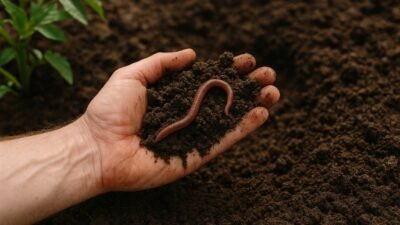
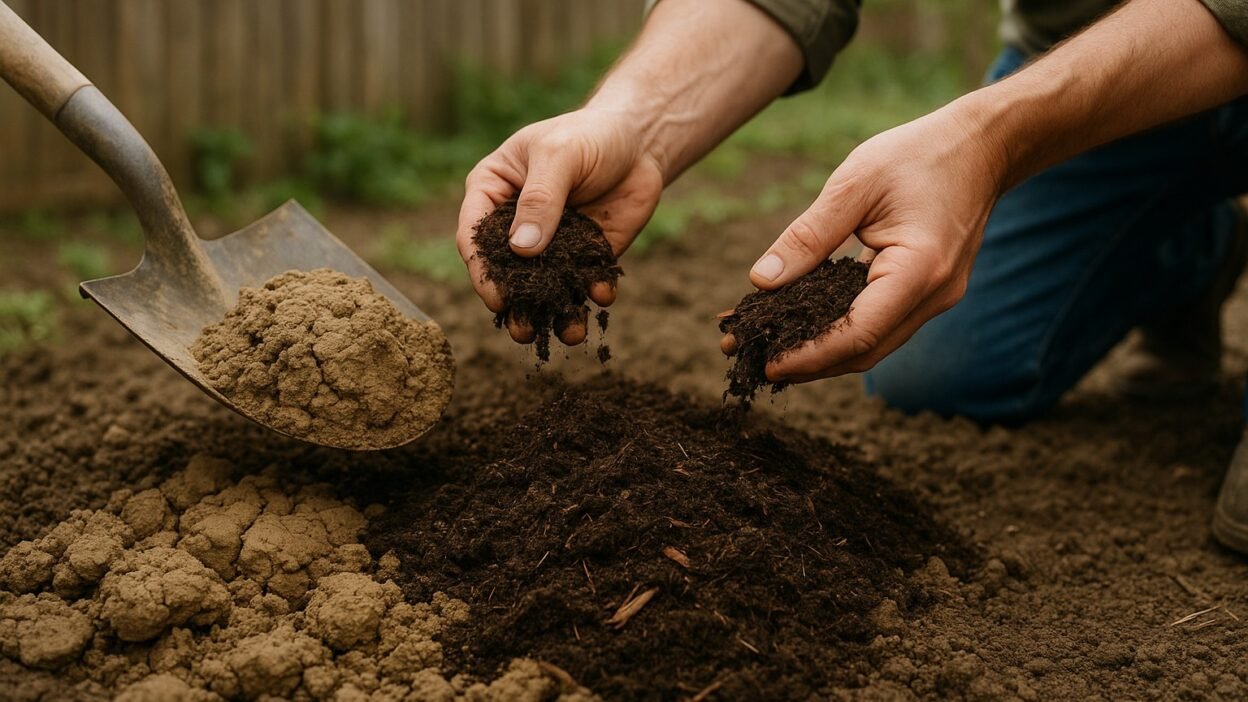
Organic matter loosens heavy clay, improves texture, and enhances microbial activity.
- Use well-rotted farmyard manure (FYM)
- Apply compost made from vegetable waste
- Include green manure crops like dhaincha or sunhemp
2. Use Biochar
Biochar is a charcoal-like substance made by burning crop residue in low oxygen. It improves drainage, retains nutrients, and supports beneficial microbes.
- Incorporate biochar at 5–10% by volume into topsoil
3. Grow Cover Crops
Cover crops break up compacted soil with their roots and protect soil during off-season.
- Leguminous plants like cowpea add nitrogen to the soil
- Grasses like bajra or rye can break through hard soil layers
4. Practice Mulching
Covering the soil with natural materials reduces erosion, improves moisture retention, and feeds soil organisms.
- Use rice straw, sugarcane bagasse, or dry leaves as mulch
5. Avoid Over-Tillage
Frequent tilling can worsen compaction in clay soils. Instead, till only when absolutely needed and add organic matter after tillage.
6. Improve Drainage with Raised Beds
Raised beds encourage water to drain faster and prevent waterlogging common in heavy soils.
- Design beds with 20–30 cm height and 1 meter width for easy management
Seasonal Tips for Better Results
- Before monsoon: Sow green manure and cover crops
- After harvest: Apply compost and mulch
- Year-round: Monitor soil moisture and drainage
Natural Additives to Consider
- Ash from wood or crop residue for potassium and pH balancing
- Limestone (Chuna) for neutralizing overly acidic soils
Conclusion: Build Healthy Soil—Naturally
Improving clay-heavy soil isn’t difficult when you use the right natural methods. With a little patience and regular care, farmers can transform heavy, compacted soil into fertile fields perfect for growing healthy crops and increasing yields.
Take Action: Start Today!
Dear farmers, start improving your soil this season! Begin with composting and mulching using farm waste. Visit your local Krishi Vigyan Kendra (KVK) for guidance on selecting the best cover crops and natural techniques suited to your region. Healthy soil means better harvests—and a stronger future for Indian agriculture.