How to Test Soil Health at Home Easily
Why Soil Health Matters
Healthy soil is the backbone of successful farming. It holds nutrients, retains water, and supports crop growth. By understanding your soil’s condition, you can make better decisions about fertilization, irrigation, and crop rotation. Testing soil health doesn’t always require a lab—there are simple methods you can do at home.
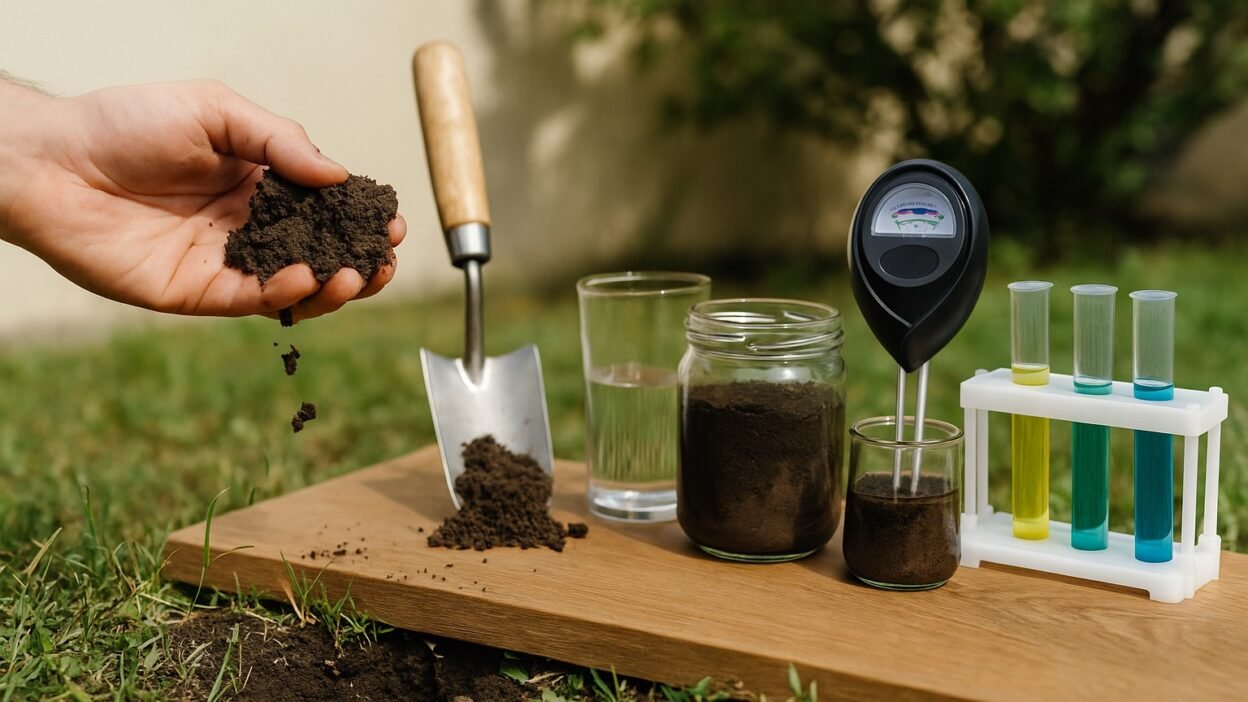
1. Check Soil Texture with the Jar Test
What You Need:
- A transparent glass jar
- Water
- Dish soap
- Soil sample
Steps:
- Fill the jar halfway with soil from your farm.
- Add water to almost full, add a few drops of dish soap, then shake vigorously.
- Let it settle for 24 hours. Observe the layers: sand settles at the bottom, silt in the middle, and clay on top.
This helps you understand your soil composition, which affects water drainage and root health.
2. Measure Soil pH with Vinegar and Baking Soda
What You Need:
- Two small soil samples
- Vinegar
- Baking soda
- Distilled water
Steps:
- For the first sample, add vinegar. If it fizzes, the soil is alkaline.
- For the second sample, mix with distilled water, then add baking soda. If it fizzes, the soil is acidic.
Neutral soil (pH 6–7) is ideal for most crops. Extreme pH levels affect plant nutrient uptake.
3. Observe Earthworms and Organic Matter
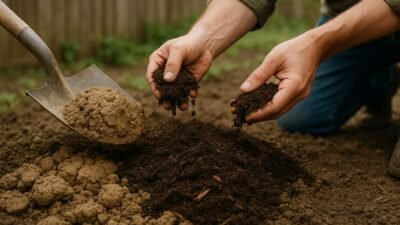
Healthy soil is alive. Dig a 12-inch x 12-inch hole and count the number of earthworms. If you find 6 or more, your soil has high biological activity. Also, look for decaying roots, leaf particles, and a dark, crumbly texture.
4. Simple Drainage Test
Steps:
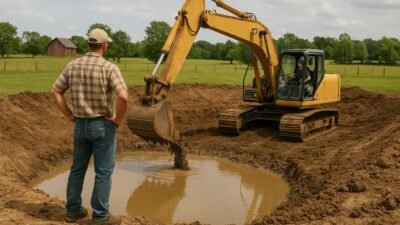
- Dig a hole about 1 foot deep.
- Fill it with water and allow it to drain completely.
- Refill and time how long it takes to drain.
If water drains within 2–4 hours, your soil has good drainage. Too fast or too slow means you may need to improve soil structure or add organic matter.
5. Use a Root Health Check
Uproot a plant carefully and examine its roots. Healthy roots are white and spread evenly. Brown, mushy, or stunted roots are signs of poor soil aeration or disease.
Start Testing Today to Improve Your Yields
Understanding your soil health doesn’t need lab equipment. With a few tools and a little time, you can make quick assessments right at your farm. Regular soil testing helps you apply the right nutrients and boost your harvest while saving costs.
Ready to Boost Your Farm’s Soil Health?
Join a local farmer training program or contact your nearest Krishi Vigyan Kendra (KVK) for support. Let’s build better soil for a better future—start testing today!