Indigenous Breeds of India and Their Importance
Introduction
India is home to a rich genetic diversity of livestock, with over 160 recognized indigenous breeds of cattle, buffalo, sheep, goats, and poultry. These native breeds have evolved over centuries to thrive in local environmental conditions. Despite the emergence of exotic breeds, indigenous animals continue to play a critical role in the livelihoods of rural communities across the country.
What Are Indigenous Breeds?
Indigenous breeds are native animal breeds that have adapted to specific agro-climatic regions through natural selection and traditional breeding practices. They exhibit traits that make them better suited to local conditions compared to their exotic counterparts.
Main Characteristics:
- Resistant to local diseases and climatic stress
- Require low maintenance and input costs
- Longer productive life
- High-quality milk, meat, and fiber suited for local markets
Examples of Indigenous Breeds in India
Cattle
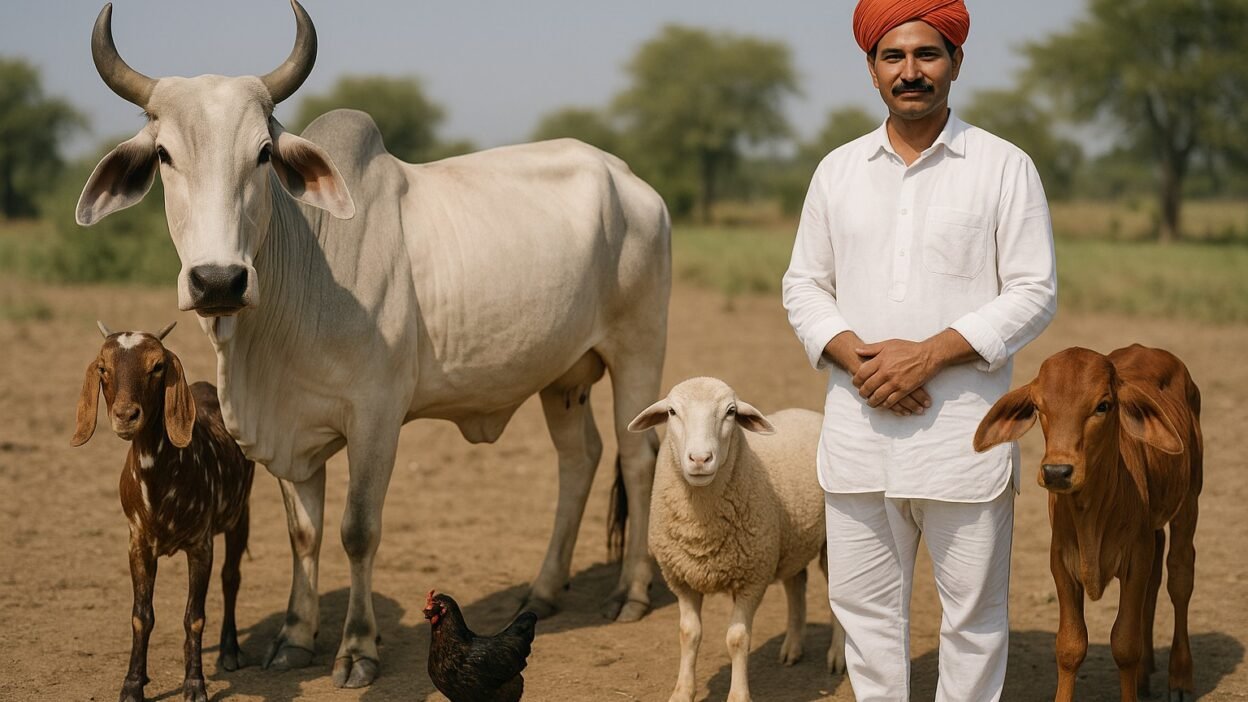
- Gir: Originating from Gujarat, known for good milk yield and disease resistance.
- Sahiwal: Popular in Punjab and Haryana, valued for high-quality milk and adaptability.
- Ongole: From Andhra Pradesh, widely used for draught and breeding purposes.
Buffalo
- Murrah: A high milk-yielding breed from Haryana and Punjab.
- Surti: Known for its calm temperament and efficient milk production.
Goats
- Jamunapari: A dual-purpose breed for milk and meat, found in UP.
- Barbari: Adapted to semi-arid environments, widely reared in northern India.
Sheep
- Nellore: Reared in Andhra Pradesh for meat production.
- Chokla: Known for fine wool, found in Rajasthan.
Poultry
- Aseel: A hardy, native chicken breed known for its meat quality and fighting ability.
- Kadaknath: Black meat chicken from Madhya Pradesh with high protein and medicinal value.
Importance of Indigenous Breeds
Indigenous breeds are more than just livestock—they are a part of India’s rural heritage and play a crucial role in sustainable agriculture. Here’s why preserving and promoting these breeds is essential:
- Climate Resilience: Indigenous breeds can withstand extreme temperatures and drought conditions, making them ideal for climate-smart farming.
- Low Dependency on Antibiotics: Naturally resistant to local diseases, they reduce medical and veterinary costs.
- Biodiversity Conservation: Each breed represents unique genetic traits that may be lost forever if not preserved.
- Employment and Livelihood: Rearing native breeds supports small and marginal farmers through dairy, meat, and wool production.
- Organic and Ethical Farming: These breeds are better suited to organic and rural integrated farming systems.
Challenges Facing Indigenous Breeds
Despite their advantages, indigenous breeds are rapidly declining due to crossbreeding, lack of awareness, and limited government support. Farmers often shift to exotic breeds, expecting higher returns but end up facing issues like high feed cost, poor adaptability, and increased disease susceptibility.
How to Promote Indigenous Breeds
- Awareness campaigns and farmer training on benefits of native breeds
- Setting up Livestock Breeding Centers focused on indigenous species
- Incentives for organic and native livestock farming
- Inclusion in schemes like Rashtriya Gokul Mission and Pashu Poshan Yojana
Conclusion
India’s indigenous breeds are a treasure trove of genetic strength, sustainability, and resilience. By encouraging their protection, farmers not only preserve biodiversity but also ensure a more dependable and sustainable income source.
Call to Action
Dear Indian Farmers, by choosing indigenous breeds, you’re investing in livestock that truly understands your soil, weather, and needs. Reach out to your nearest Krishi Vigyan Kendra (KVK) or animal husbandry department today to learn how indigenous breeds can transform your farm’s future—sustainably and profitably!