Basics of Goat Farming in India for Beginners
Introduction to Goat Farming
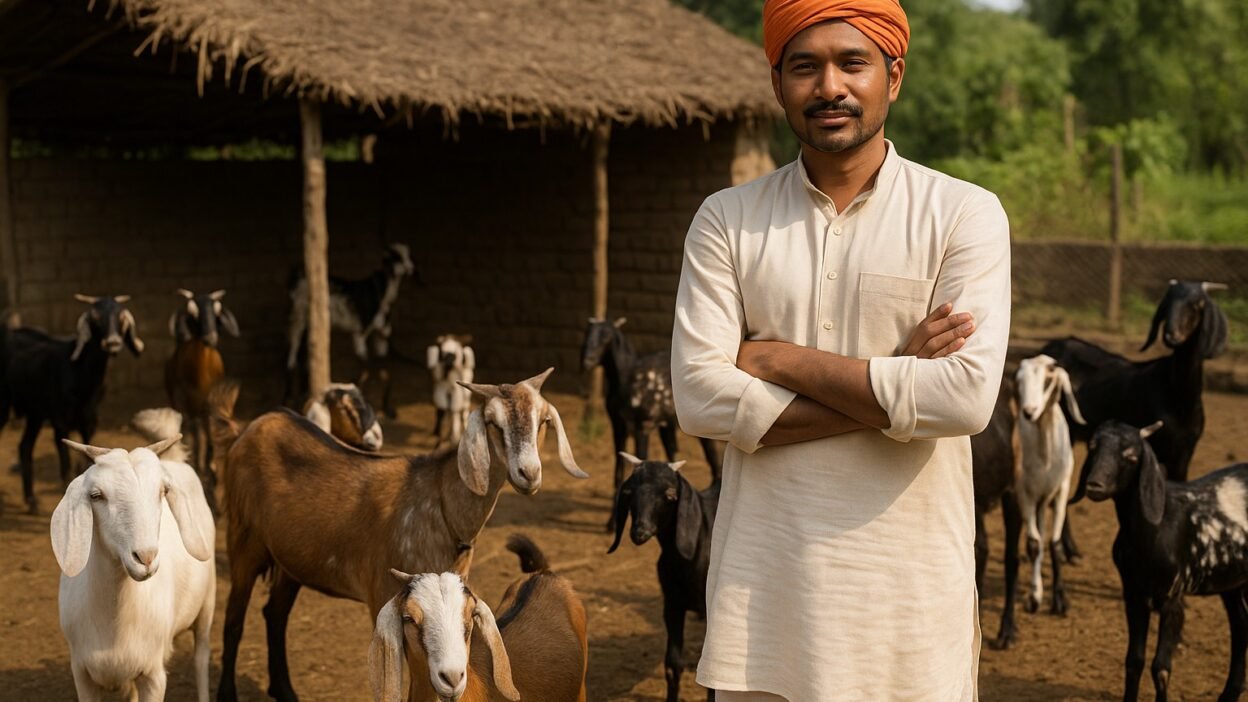
Goat farming is one of India’s most profitable and sustainable rural businesses. With low investment and high returns, especially in meat and milk production, it has become a popular choice for small and marginal farmers across the country.
Why Goat Farming?
- Low startup cost compared to other livestock businesses
- High demand for goat meat (chevon) and milk
- Requires minimal space and infrastructure
- Suitable for diverse agro-climatic regions in India
- Quick reproductive cycle and market-ready in 8–10 months
Choosing the Right Goat Breed
Selecting the right breed is critical for maximizing productivity. Popular Indian goat breeds include:
- Boer (exotic): Known for meat and fast growth
- Jamunapari: Dual-purpose (milk and meat), large size
- Barbari: Early breeder, good for stall feeding
- Black Bengal: High fertility, preferred for meat
- Sirohi: Hardy breed, widely found in Rajasthan
Basic Infrastructure and Housing
Proper housing improves goat health and growth. Keep these tips in mind:
- Ensure good ventilation and protection from extreme weather
- Floor should be elevated to keep it dry and clean
- Use local and cost-effective materials like bamboo, wood, and thatch
- Allocate space: 10–15 sq. ft. per adult goat
Feeding and Nutrition
Balanced nutrition is essential for healthy goats. Feed them:
- Dry fodder (hay, straw)
- Green fodder (legumes, grasses)
- Concentrates (grains, oil cakes)
- Clean water and essential mineral supplements
Practice rotational grazing or stall feeding to maintain pasture health and reduce parasite exposure.
Health Management
Regular checkups and vaccinations prevent disease outbreaks. Key practices include:
- Deworming every 3 months
- Vaccination against PPR, FMD, enterotoxaemia
- Maintaining cleanliness and disinfection
- Keeping sick animals separate
Reproduction and Breeding
Goats mature by 8–10 months and can give birth twice a year. Good breeding practices:
- Maintain a healthy buck-to-doe ratio (1:25)
- Select breeding stock based on growth and health records
- Allow rest period between kidding cycles for females
Marketing and Profitability
Sell goats through local markets, meat shops, or cooperatives. For better returns:
- Build relationships with local butchers or buyers
- Use social media or WhatsApp groups to reach customers
- Explore contract farming or FPO tie-ups
Breeds like Boer and Jamunapari fetch higher rates due to size and quality meat yield.
Government Support and Training
Indian farmers can avail:
- Subsidies from NABARD and Animal Husbandry Department
- Loans under schemes like PMAY and Dairy Entrepreneurship Development Scheme (DEDS)
- Training programs offered by Krishi Vigyan Kendras (KVKs)
Conclusion
Goat farming in India is a promising livelihood option with steady returns and low input costs. With the right guidance and practices, farmers can build a sustainable business that supports their family and community.
Ready to Start Goat Farming?
Connect with your nearest Krishi Vigyan Kendra or animal husbandry expert today to learn how to begin your goat farming journey and access support and training. Don’t wait—your successful farm could be just a few steps away!