Top Organic Fertilizers and How to Use Them
Why Choose Organic Fertilizers?
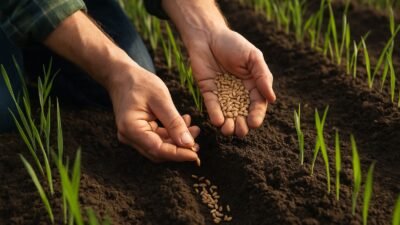
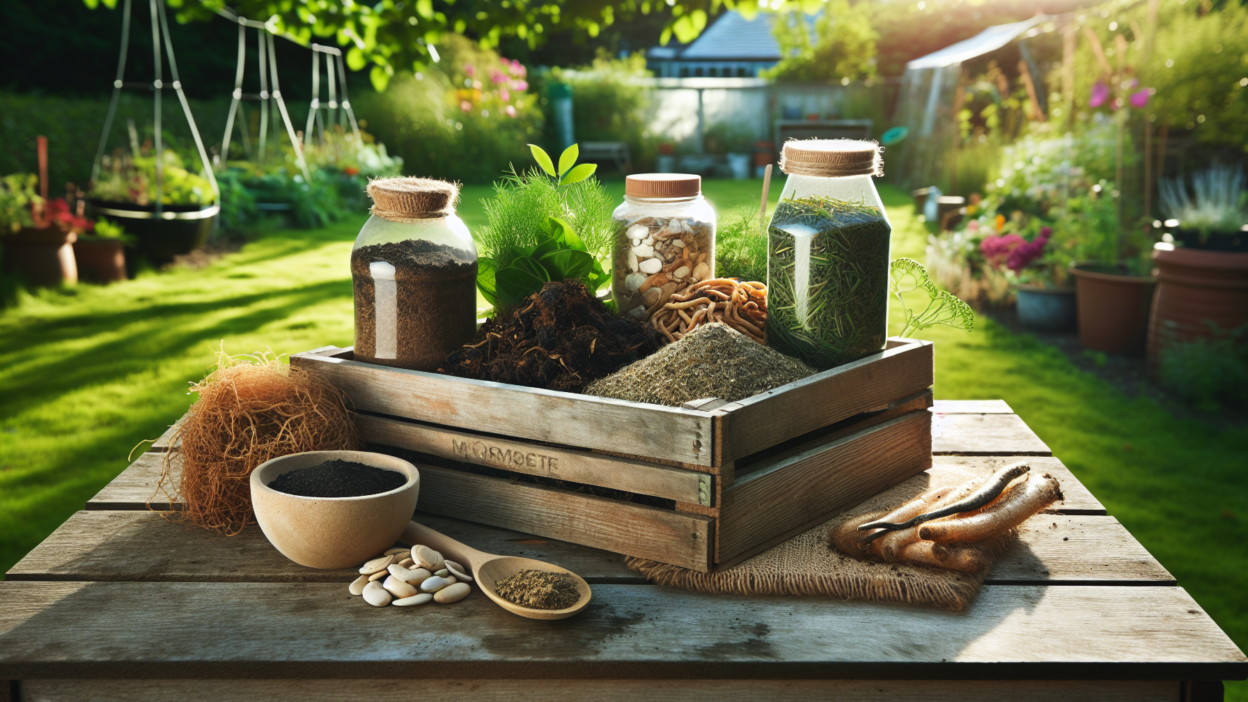
Organic fertilizers are derived from natural materials like plant residue, animal waste, and minerals. Unlike chemical fertilizers, they improve soil structure and provide long-term fertility, making them ideal for sustainable farming. For Indian farmers, adopting organic methods can reduce input costs and improve crop quality.
1. Compost
What it is: Decomposed organic matter made from farm waste, kitchen scraps, and crop residue.
Benefits:
- Improves soil texture and water retention
- Rich in nutrients and beneficial microbes
How to Use: Apply 1–2 tonnes per acre before sowing. Mix it well into the topsoil.
2. Vermicompost
What it is: Nutrient-rich compost produced with the help of earthworms.
Benefits:
- Enhances soil aeration and drainage
- Contains growth-promoting hormones and enzymes
How to Use: Mix 500 kg to 1 tonne per acre into the soil. Use it during seedbed preparation or around the base of growing crops.
3. Farmyard Manure (FYM)
What it is: A mixture of cow dung, urine, and bedding straw that has been well decomposed.
Benefits:
- Provides essential macro and micronutrients
- Improves soil microbial activity
How to Use: Apply 5–10 tonnes per acre. Incorporate into the soil 15–20 days before sowing.
4. Green Manure
What it is: Fast-growing plants like dhaincha or sunhemp that are grown and ploughed back into the soil while still green.
Benefits:
- Boosts nitrogen content in the soil
- Suppresses weeds and enhances soil fertility
How to Use: Sow green manure crops 6–8 weeks before main crop. Plough into soil 2–3 weeks before sowing the main crop.
5. Bone Meal
What it is: A powder made from crushed animal bones, rich in phosphorus and calcium.
Benefits:
- Promotes root development
- Ideal for fruit and flowering crops
How to Use: Apply 100–250 kg per acre. Can be mixed into the soil or used during transplanting.
6. Neem Cake
What it is: The residue left after extracting oil from neem seeds, used as both a fertilizer and pest repellent.
Benefits:
- Acts as a natural pesticide
- Improves nitrogen efficiency in soil
How to Use: Apply 150–200 kg per acre directly into the soil before sowing or as a top dressing.
7. Panchgavya
What it is: A fermented mixture of five cow products—dung, urine, milk, curd, and ghee—along with other natural ingredients.
Benefits:
- Acts as a bio-enhancer and plant growth promoter
- Improves immunity and resistance to diseases
How to Use: Dilute 3–5% Panchgavya with water and use as a foliar spray every 15–20 days.
Tips for Effective Use of Organic Fertilizers
- Always use well-decomposed fertilizers to avoid pest attraction and disease.
- Combine different fertilizers for balanced nutrition.
- Soil test regularly to understand fertility levels and nutrient needs.
Conclusion
Embracing organic fertilizers not only ensures healthier crops but also protects the long-term health of your soil. By choosing natural inputs, farmers can boost productivity sustainably and reduce dependency on costly chemicals.
Ready to switch to organic farming?
Start small—incorporate compost or vermicompost this season and see the difference. For personalized soil guidance, contact your local Krishi Vigyan Kendra (KVK) today!