A Guide to Organic Rice Farming for Indian Farmers
Why Choose Organic Rice Farming?
With rising demand for chemical-free food, organic rice farming offers better income, safer crops, and long-term soil fertility. It helps farmers reduce input costs and build a healthy ecosystem.
Step-by-Step Guide to Organic Rice Farming
1. Selection of Suitable Rice Variety
- Pick traditional or local varieties known for pest resistance and climate adaptability
- Examples: Kullakar, Navara, Gobindobhog
2. Land Preparation
- Use deep ploughing to expose pests and weed seeds
- Apply well-decomposed farmyard manure (FYM) before sowing
3. Seed Selection and Treatment
- Select healthy seeds and treat them with bio-fungicide like Trichoderma viride
- Soak and sprout seeds before direct sowing or transplanting
4. Nursery Management (for Transplanting)
- Use raised beds with organic compost
- Avoid chemical-based fertilizers or seed treatments
5. Organic Fertilizers and Soil Enrichment
- Incorporate compost, vermicompost, green manure crops like dhaincha
- Apply Panchagavya and Jeevamrutha to enhance soil microbes
6. Weed and Pest Management
- Use hand weeding or mechanical weeders like cono weeder
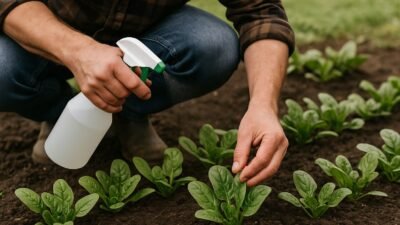
- Adopt natural pest repellents like neem oil or chilli-garlic spray
- Encourage beneficial insects and use pheromone traps
7. Water Management
- Follow Alternate Wetting and Drying (AWD) method for water-saving
- Avoid stagnant water to reduce disease risk
8. Harvesting and Post-Harvest Handling
- Harvest at correct maturity to avoid grain loss
- Dry grains properly before storage
- Store in airtight jute or cloth bags in clean, dry areas
Organic Certification and Marketing
- Join Participatory Guarantee Systems (PGS-India) for local organic certification
- Sell through organic mandis, online platforms, or directly to consumers
Benefits of Going Organic
- Improves soil structure and fertility
- Reduces health risks from chemical exposure
- Earns premium price in local and export markets
Final Tips for Success
- Start with a small area and expand gradually
- Keep detailed records for certification purposes
- Join farmer groups or cooperatives for support and training
Start Your Organic Journey Today
Organic rice farming is more than just a method—it’s a movement toward healthier food and soil. If you’re an Indian farmer looking to increase income sustainably while protecting your land for future generations, take the first step today. Connect with your local Krishi Vigyan Kendra (KVK) or agricultural extension officer for hands-on guidance and support.