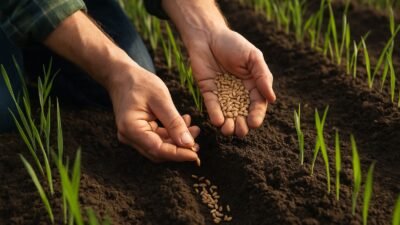

How to Convert Your Farm to Fully Organic
Why Organic Farming Makes Sense
Organic farming is more than a trend—it’s a sustainable approach that preserves soil fertility, reduces chemical inputs, and creates healthier food. For Indian farmers, going organic also taps into high-demand local and export markets.
Step 1: Understand Organic Certification Requirements
To legally market your produce as organic, you’ll need certification from agencies such as:
- APEDA – Agricultural and Processed Food Products Export Development Authority
- NPOP – National Programme for Organic Production
Contact a local accredited certifying body to begin the registration process.
Step 2: Plan the Transition Period
The transition from conventional to organic farming typically takes 2–3 years. During this time, you must stop using synthetic chemicals and fertilizers. Plan crop cycles accordingly and follow organic practices.
Step 3: Improve Soil Health Naturally
The foundation of organic farming lies in fertile, healthy soil. Enhance your soil by:
- Adding compost and farmyard manure (FYM)
- Using green manures like sunhemp or dhaincha
- Practicing crop rotation
Step 4: Use Organic Pest and Disease Management
Replace chemical pesticides with natural alternatives. Some effective solutions include:
- Neem oil spray
- Chilli-garlic extract
- Trichoderma for fungal disease control
Also consider integrated pest management (IPM) practices.
Step 5: Source Organic Seeds and Inputs
Use certified organic seeds when possible. If unavailable, you may use untreated traditional seeds with proper documentation. Also ensure organic inputs like bio-fertilizers, panchagavya, and jeevamrut are from trusted sources.
Step 6: Document All Farm Activities
Maintain a detailed record of:
- Land preparation and crop cycle
- Input use and application dates
- Pest and disease control measures
This is essential for organic certification audits.
Step 7: Join an Organic Farmers Group or FPO
Collaborating with a Farmer Producer Organization (FPO) or organic farmer group can help you:
- Share knowledge and best practices
- Access bulk organic inputs at lower cost
- Sell collectively at better rates
Additional Tips for Success
- Start small—begin with one portion of your land before full conversion
- Get trained through Krishi Vigyan Kendras (KVKs) or NGOs
- Market your produce through organic outlets, farmer markets, or ecommerce platforms
Conclusion: Start Your Organic Journey Today
Converting your farm to organic takes time and effort, but the rewards—increased soil fertility, healthier produce, and better market value—are worth it. With government support and growing consumer demand in India, now is the perfect time to start.
Call to Action: Ready to go organic? Contact your local Krishi Vigyan Kendra or organic certification agency today to get started. Your soil, your crops, and your income will thank you!