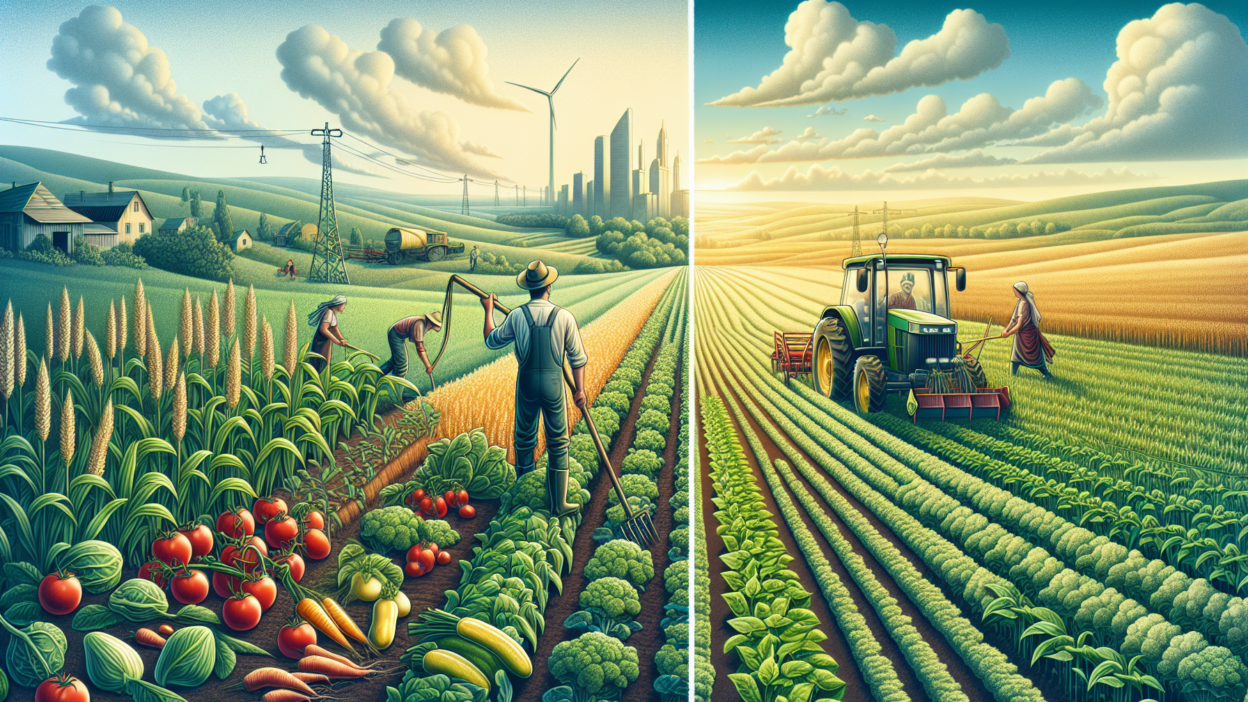
Natural Farming vs Organic Farming: What’s Better?
Introduction
As more Indian farmers look for sustainable methods that reduce costs and improve soil health, many ask: Should I adopt natural farming or organic farming? While both aim to move away from chemical agriculture, these farming systems differ in practice and philosophy. Let’s compare the two to help you make a smart, soil-friendly choice.
What is Natural Farming?
Natural farming, often linked with Subhash Palekar’s Zero Budget Natural Farming (ZBNF), is a method that mimics natural ecosystems. It avoids synthetic inputs and even commercially-approved organic fertilizers.
Main Features of Natural Farming:
- No synthetic fertilizers or pesticides
- No tilling or plowing
- Use of local cow dung and urine (e.g., Jeevamrut, Bijamrut)
- Preserves soil microbes and fertility naturally
What is Organic Farming?
Organic farming avoids chemical inputs but allows the use of organic alternatives that may be purchased commercially. It’s regulated and certified under programs like India’s PGS India Organic.
Main Features of Organic Farming:
- No use of synthetic chemicals or GMOs
- Use of compost, manure, and organic-approved inputs
- Follows certification guidelines for market labeling
- Focuses on ecological balance and biodiversity
Natural vs Organic Farming: Key Differences
| Aspect | Natural Farming | Organic Farming |
|---|---|---|
| Input Cost | Very low (local inputs) | Moderate to high (market-bought inputs) |
| Certification | Mostly informal, trust-based | Formal certification needed |
| Yield (initial years) | Lower, but improves with time | Moderate, stable after transition |
| Market Access | Local sales, trust-driven | Certified organic markets |
Which is Better for Indian Farmers?
The right choice depends on your goals and resources:
- Choose Natural Farming if you want to reduce costs, revive soil, and use local inputs. Great for small-scale farmers.
- Choose Organic Farming if you aim to access premium markets and can invest in inputs and certification.
Conclusion
Both natural and organic farming have their strengths. Natural farming supports small farmers and biodiversity with minimal input. Organic farming offers market recognition and safer food. The best system is one that supports your soil, income, and sustainability goals.
Take Action Now
Are you a farmer in India ready to switch to sustainable farming? Download free guides, attend local trainings, and connect with your local Krishi Vigyan Kendra (KVK) to learn how to begin either natural or organic farming today!