How to Prepare Organic Compost at Home Easily
Why Composting Matters for Indian Farmers
Organic compost is a natural fertilizer that enriches soil, improves water retention, and enhances crop yield—all without harmful chemicals. For Indian farmers, homemade compost is a cost-effective alternative to chemical fertilizers, utilizing everyday waste from the kitchen and farm.
What You Need to Get Started
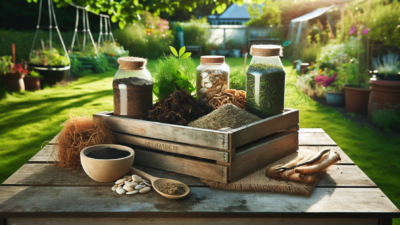
- Organic waste: Vegetable peels, fruit scraps, tea leaves, dry leaves, grass clippings, cow dung
- Compost bin or pit: A plastic drum, clay pot, or a dug-out pit in a shaded area
- Dry materials: Straw, sawdust, old newspaper (shredded)
- Water and garden soil: To keep the compost moist and to introduce useful microbes
Step-by-Step Guide to Making Organic Compost
1. Choose the Right Spot
Select a shaded area near your home or farm with good airflow. This prevents the compost from drying out or becoming too wet.
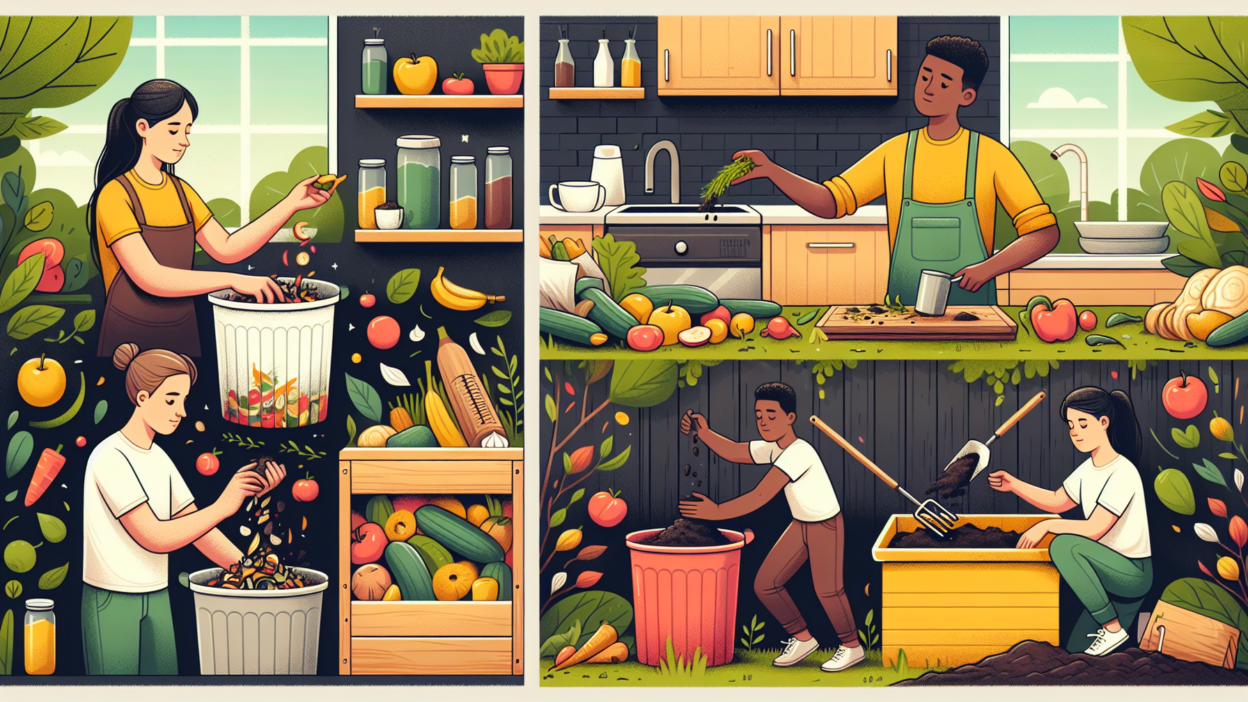
2. Layer Organic Waste
Start with a layer of dry organic material (like leaves or straw), then add kitchen waste and cow dung. Alternate layers to maintain balance.
3. Maintain Moisture
The compost should feel like a wet sponge—not too dry, not too soggy. Sprinkle water as needed during dry weather.
4. Turn the Pile Regularly
Every 7–10 days, use a stick or shovel to turn the compost. This allows air to circulate, speeding up decomposition.
5. Wait and Observe
In 6–8 weeks, the compost will turn dark brown and emit an earthy smell. This is your signal that it’s ready to use.
Tips for Faster Decomposition
- Shred larger waste items to speed up breakdown
- Avoid cooked food, meat, eggs, or oily items—they attract pests
- Add a handful of soil or old compost to introduce beneficial microbes
How to Use Your Organic Compost
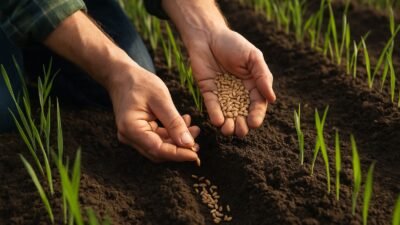
- Soil conditioner: Mix compost into your field before sowing
- Top dressing: Apply around the base of growing plants
- Potting mix: Combine with soil for kitchen garden pots
Conclusion: Start Composting, Save Money, Grow Healthy
Making compost at home requires just a bit of waste and patience—but the rewards are big: richer soil, better crops, and lower expenses. Indian farmers across the country are embracing this eco-friendly method, and so can you!
Ready to improve your soil the natural way?
Start your own compost today. Need help? Visit your local Krishi Vigyan Kendra (KVK) or speak with fellow farmers to learn more. Healthy soil begins with you!